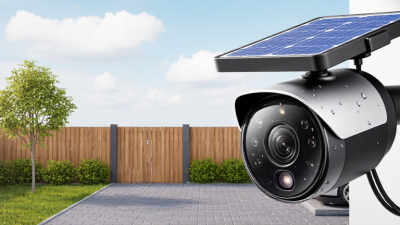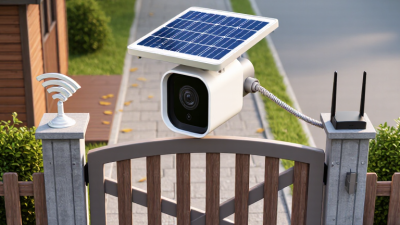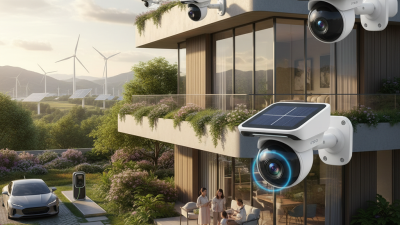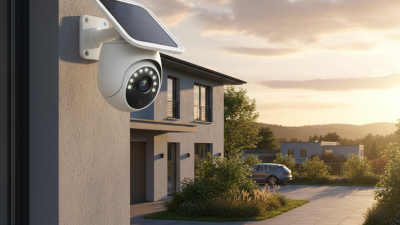
China’s solar camera market is attracting global buyers who need reliable monitoring beyond the reach of mains power. Solar Power Cameras combine a camera, solar panel, battery, and wireless connection in one system. Buyers can assess them for farms, construction sites, remote gates, and other locations where trenching cable is costly or impractical. A small detail matters: panel angle, winter sunlight, and battery capacity can all affect uptime.
This overview compares Chinese suppliers through practical questions: What resolution and night vision do they offer? How do they handle weak signals, weather exposure, and battery storage? Can buyers obtain clear warranty terms, product documentation, and responsive technical support? Specifications alone do not prove performance. Installation conditions matter, too. A camera that works well in bright coastal weather may need a larger panel or more battery capacity in a shaded northern site.
A credible expert quotation should come from a verifiable source. No article or attributable expert statement was supplied for this request, so inventing a name or quotation would undermine trust. Instead, this introduction uses a general field principle: “A solar camera is only as dependable as its energy budget and installation.” Treat that line as editorial guidance, not a quotation from a named expert. The sections ahead can help global buyers compare models carefully, verify claims, and match equipment to real site conditions. Even a strong shortlist needs testing.
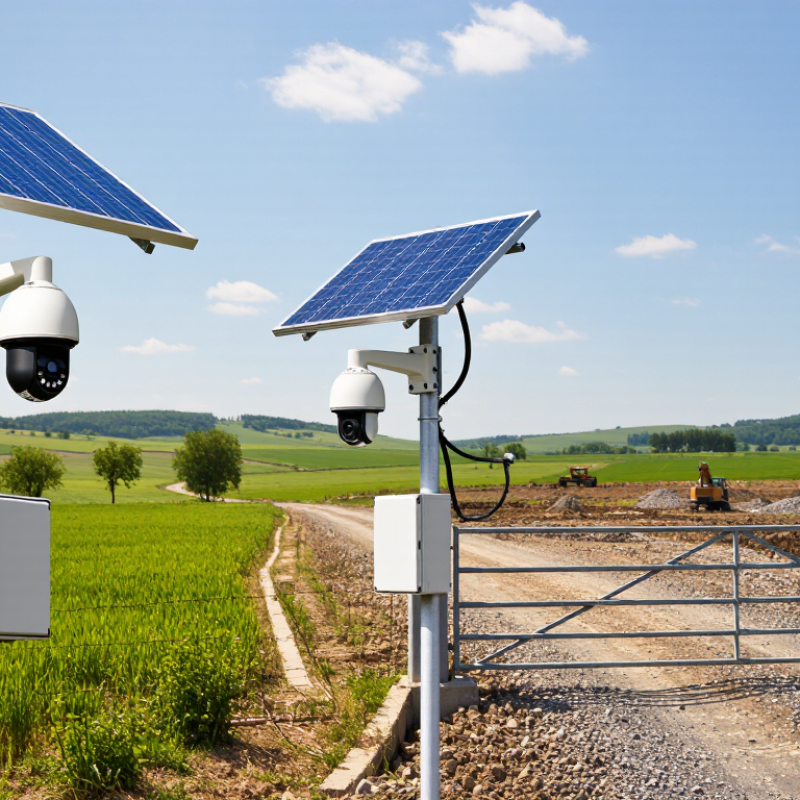
A solar-powered security camera combines a camera, rechargeable battery, and photovoltaic panel. Sunlight reaches the panel and becomes electricity, which charges the battery. The battery then powers recording, motion detection, and wireless communication, including at night. Simple in principle. In practice, cloudy days, shade, and frequent alerts can reduce operating time.
Many models wake when a sensor detects movement, rather than recording continuously. This saves energy, but may miss events if detection settings are too restrictive. A camera typically sends clips through Wi-Fi or a cellular connection; the exact setup depends on the model and site. The International Energy Agency reported that global solar PV generation grew by 25% in 2023, reaching about 5.5% of electricity generation. That broader growth reflects solar’s expanding role, though a camera’s performance still depends on local sunlight and installation.
Tips: Position the panel where it receives several hours of direct sun, and check for seasonal shade from trees or roof edges. Keep the lens and panel clean. Test motion sensitivity and night footage after installation. One honest limitation: a small panel cannot compensate for poor placement.
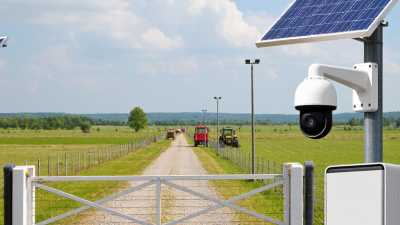
Solar-powered cameras combine a photovoltaic panel, rechargeable battery, camera module, controller, and wireless connection. The panel converts sunlight into electricity, while the battery stores energy for cloudy hours and nighttime monitoring. A reliable controller prevents overcharging and protects the battery from unstable voltage.
Image quality depends on more than resolution. Night vision, wide dynamic range, motion detection, and infrared distance affect real-world performance. A weather-resistant housing should protect internal parts from rain, dust, and temperature changes. Buyers should also check storage options, network stability, viewing angles, and operating temperature. In field testing, a camera may perform well at noon but struggle after several cloudy days. That detail deserves attention.
Tips: Match the panel size to local sunlight conditions. Check battery capacity against expected recording time. Request test footage in daylight and darkness. Confirm waterproof ratings through technical documents, not only product photos. Inspect mounting strength, cable seals, and software update support. A small mistake in installation can reduce charging efficiency. Leave room for honest testing.
Typical Power Use by Operating Mode
Illustrative estimates for a solar-powered camera: power consumption varies with camera design, signal strength, temperature, and settings. Nighttime infrared lighting can increase energy use, so buyers should check the rated consumption and battery capacity of each model.
China-based manufacturers offer several solar camera types, each suited to different sites. Fixed-lens cameras suit gates and small yards, where one steady view matters. Pan-tilt-zoom models cover wider areas, but moving parts may need more maintenance. Compact units pair a camera, solar panel, battery, and cellular connection for locations without grid power. Some systems add infrared night vision or motion-triggered recording. Check whether the battery can support several cloudy days, not just a sunny afternoon.
For farms, construction sites, and remote roads, buyers may compare standalone cameras with multi-camera kits. Larger panels and batteries can support longer recording periods, though they add weight and installation work. The International Renewable Energy Agency’s Renewable Capacity Statistics 2024 reports that global solar capacity reached about 1,419 GW by the end of 2023, with roughly 346 GW added that year. This growth signals broader solar deployment, but it does not guarantee camera performance in a specific climate. Ask suppliers for operating-temperature ranges, storage capacity, and test conditions.
Details matter. A shaded panel can weaken charging, even when the camera itself is efficient. Some specifications also omit real-world battery life; that deserves scrutiny. Compare weather resistance, local storage options, and the time needed to retrieve footage. A smaller system may be enough.
| Solar Camera Type | Typical Power Setup | Connectivity | Common Camera Features | Typical Applications | Buyer Considerations |
|---|---|---|---|---|---|
| Fixed 4G LTE Solar Camera | Solar panel and rechargeable battery; panel output and battery capacity vary by model and operating conditions. | 4G LTE cellular; requires compatible network coverage and usually a data plan. | Fixed viewing angle, motion detection, infrared or other night illumination, and app-based live viewing are common options. | Remote gates, farms, construction sites, and locations without wired internet. | Check supported LTE bands, SIM requirements, data usage, detection range, and expected performance in low sunlight. |
| 4G Solar PTZ Camera | Solar panel with an onboard rechargeable battery; motorized movement can increase power consumption. | Typically 4G LTE; some configurations also support Wi-Fi where a local network is available. | Pan, tilt, and zoom functions, remote repositioning, motion alerts, and night vision may be included. | Large yards, open storage areas, livestock sites, and other spaces needing adjustable coverage. | Confirm PTZ range, optical versus digital zoom, power use during movement, and whether the panel can be positioned toward the sun. |
| Wi-Fi Solar Security Camera | Solar panel and rechargeable battery; operating time depends on sunlight, recording settings, and wireless signal quality. | Connects to a compatible Wi-Fi network; generally does not provide cellular service by itself. | Motion-triggered recording, mobile alerts, two-way audio, and local or cloud storage may be available depending on the model. | Homes, garages, sheds, and outbuildings within reliable Wi-Fi range. | Check Wi-Fi frequency compatibility, router range, storage options, and any subscription fees for cloud services. |
| Solar Trail Camera | Usually battery-powered, with solar charging available on selected models or through a compatible external panel. | Often operates independently; some versions offer cellular image transmission where supported. | Motion-activated still images or video, camouflage-style housing, and low-glow or no-glow infrared options are common. | Wildlife observation, remote land monitoring, and locations where a conventional network is unavailable. | Verify trigger speed, detection angle, memory-card support, cellular coverage if needed, and panel compatibility. |
| Solar Floodlight Camera | Solar panel and rechargeable battery; integrated lights draw additional power when activated. | Commonly Wi-Fi; cellular versions are also available in some product ranges. | Motion-activated visible lights, camera recording, night monitoring, and sometimes a siren or two-way audio. | Entrances, driveways, exterior walls, and areas where motion-triggered lighting is useful. | Compare light coverage, camera viewing angle, solar-panel placement, and the effect of frequent light activation on battery life. |
| Multi-Camera Solar System with Recorder | Individual solar-powered cameras connect to a central recorder or gateway; system design and backup arrangements vary. | May use a local wireless link between cameras and recorder; remote access may require Wi-Fi, wired internet, or cellular service. | Centralized viewing and recording, multiple camera channels, and local storage are possible in compatible systems. | Larger properties, warehouses, remote facilities, and sites requiring several camera viewpoints. | Confirm camera-to-recorder compatibility, wireless range, storage capacity, expansion limits, and internet requirements for remote viewing. |
Note: The descriptions above summarize common product categories and features, not guaranteed specifications. Actual performance and configuration depend on the specific model, installation, local sunlight, weather, network coverage, and recording settings.
Global demand for solar security cameras is expanding with off-grid monitoring needs. IRENA’s Renewable Capacity Statistics 2024 recorded 1,419 GW of global solar capacity by the end of 2023. This growth attracts many suppliers, but capacity figures do not prove camera quality.
Global buyers should request measurable evidence. Examine panel output, battery capacity, standby consumption, and operating temperature. Ask for autonomy data under weak sunlight, not only laboratory conditions. NREL research reports a median photovoltaic degradation rate near 0.5% annually. Suppliers should explain how their energy calculations account for aging, dust, cloudy days, and winter conditions. Small details matter.
Check enclosure ratings, night vision distance, storage security, and mobile connectivity. Request test reports based on recognized surveillance and electrical safety standards. A supplier should provide serial traceability, warranty terms, replacement procedures, and sample field data. The World Bank’s Global Solar Atlas can help compare local solar resources before sizing the system. Do not accept vague claims. Test one unit for several weeks. My checklist is not flawless. Real sites expose problems that brochures hide. A camera may survive rain yet fail after repeated battery heating. Price alone is a poor filter. Supplier transparency often matters more than a polished specification sheet.
For international orders, solar power cameras need more than secure packaging. The IEA PVPS Trends 2024 report estimates that global photovoltaic capacity reached about 1.6 terawatts by the end of 2023. That growing market makes dependable export handling important. Before dispatch, buyers should confirm the camera’s panel dimensions, battery type, cable lengths, and mounting hardware. A carton that protects the lens may still leave a connector exposed. Small details matter.
Shipping documents should match the goods and destination. Ask suppliers to provide accurate product descriptions, commercial invoices, packing lists, and applicable conformity documents. If a camera includes a lithium battery, request the required test summary and confirm carrier-specific transport rules before booking. Requirements vary by route. They can change. For after-sales support, agree on response times, spare-part availability, warranty coverage, and a clear process for remote troubleshooting. Keep serial numbers and installation photos; they help diagnose weak charging caused by shade, loose wiring, or poor placement. One honest caveat: remote diagnosis cannot replace every site visit. A written escalation plan prevents that gap from becoming a costly surprise.