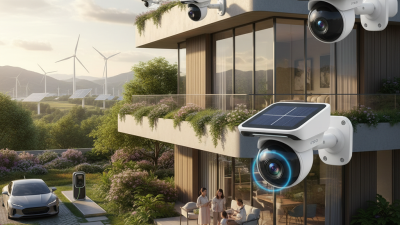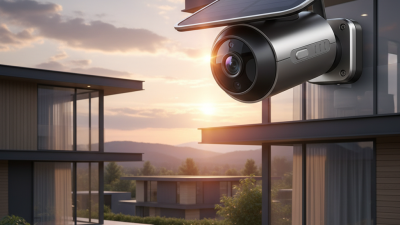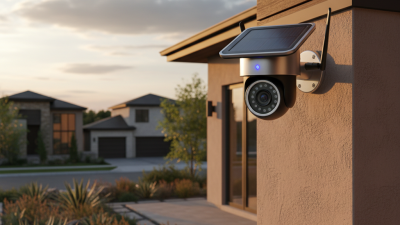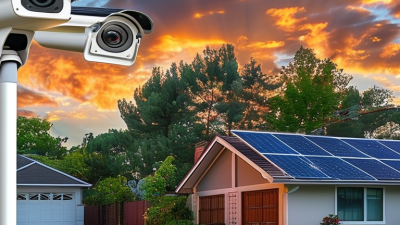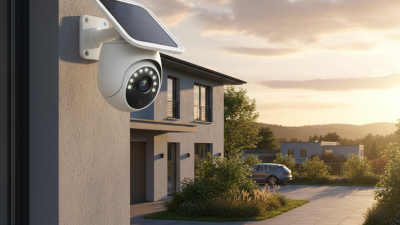
Why Choose Solar Wireless Cameras for Global Buyers? The answer begins with a practical problem: security coverage often fails where power cables cannot reach. A remote farm gate, construction entrance, or coastal storage yard may have no dependable grid connection. Solar Wireless Cameras combine photovoltaic charging, battery storage, wireless transmission, and motion-based recording in one adaptable system.
Philip Wolfe, a respected solar-energy analyst and author, states, “Solar is the only energy source that is available everywhere.” This principle gives Solar Wireless Cameras strong appeal across different markets. Daylight can recharge the battery, while wireless connectivity reduces trenching, wiring, and installation time. Buyers can monitor equipment, livestock, deliveries, or property boundaries from a phone or control room.
But sunlight is not magic. Cloudy weeks, winter angles, dust, and shaded mounting points can reduce performance. A useful camera needs more than a large panel. Battery capacity, low-light recording, network stability, weather resistance, and local maintenance support matter equally. A camera that works perfectly in a sunny showroom may struggle beside a north-facing wall.
That uncertainty deserves attention. Global buyers should review solar input, storage autonomy, operating temperature, encryption, warranty terms, and replacement-part availability. Test the signal first. Inspect the mounting position at different times of day. The best decision is rarely the cheapest one. It is the system that keeps producing clear evidence when conditions become inconvenient.
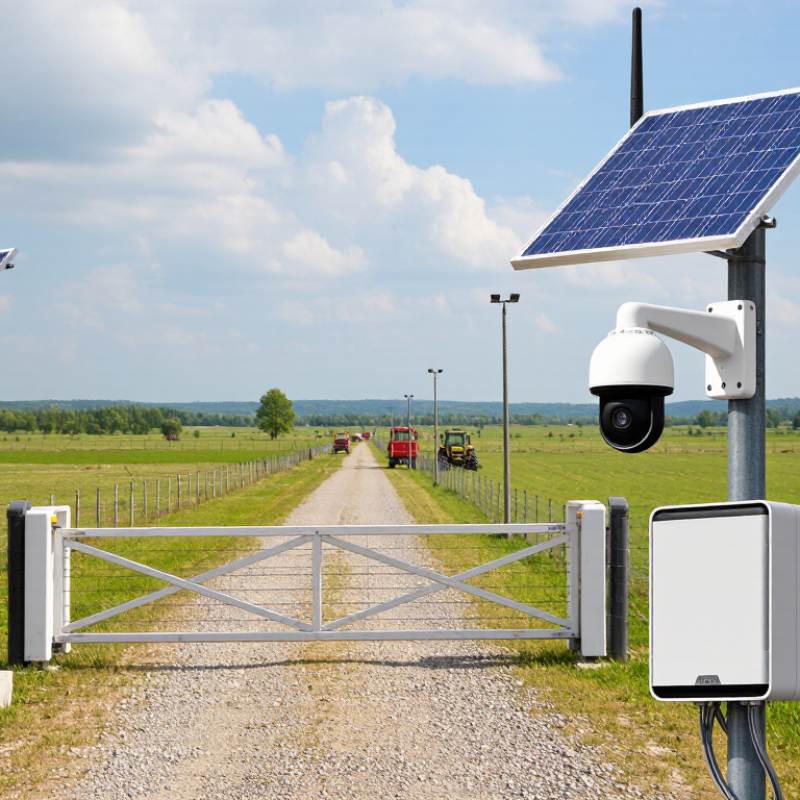
Solar wireless cameras are surveillance devices powered by a solar panel instead of a fixed electrical cable. They usually combine a camera, rechargeable battery, wireless connection, and motion detection in one outdoor unit. The panel converts daylight into energy, while the battery stores power for cloudy hours and nighttime recording.
In real installations, placement matters more than many buyers expect. A camera under dense branches may receive weak sunlight, even in a bright region. Wireless models may use Wi-Fi or cellular networks, depending on their design. Wi-Fi suits homes and buildings with stable coverage. Cellular versions can work in remote fields, construction areas, or storage yards, but they require compatible network service. Weather resistance, night vision, local storage, and battery capacity also deserve careful checking. No system is perfect. Heavy rain, dust, cold temperatures, or shaded panels can reduce performance. I have seen a well-positioned camera outperform a more expensive unit placed poorly.
Tips: Face the solar panel toward the strongest available daylight. Keep leaves away from the panel. Test wireless strength before permanent mounting. Check regional network compatibility. Review battery data in winter, not only during sunny seasons. A small tilt adjustment can make a surprising difference.
What Are Solar Wireless Cameras?
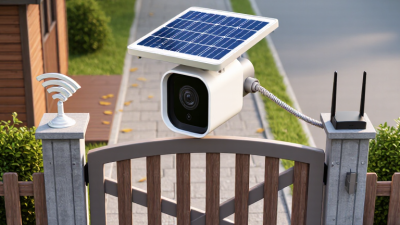
Solar wireless cameras combine a camera, rechargeable battery, solar panel, and wireless communication in one system. The chart shows the estimated minimum solar-panel size required to support a camera with an average 5 W power demand, assuming 120 Wh of daily energy use and approximately 70% overall system efficiency. More available sunlight can reduce the required panel size, making installation easier in remote locations without grid electricity.
Solar wireless cameras combine a photovoltaic panel, rechargeable battery, camera, and wireless connection. The panel converts sunlight into electrical energy during daylight hours. That energy charges the battery for evening recording and cloudy periods. No power cable is required. Installation can therefore suit farms, construction areas, parking lots, and remote property entrances.
A motion sensor usually keeps the camera in a low-power standby mode. When it detects movement, the camera activates, captures video, and sends an alert through Wi-Fi or a cellular network. Some models record to local storage, while others use secure remote storage. Infrared lights support night vision, but image range depends on lens quality and surrounding darkness. A clear view matters. Leaves can trigger false alerts, while weak signals can delay notifications.
Practical setup requires careful planning. Mount the panel where it receives several hours of direct sunlight, not beneath a roof edge or dense tree. Check the network signal before fixing the camera permanently. Battery performance can decrease during long cloudy periods or cold weather. This limitation is easy to overlook. Regularly clean dust from the panel and inspect the mounting screws after storms. Solar power is not completely maintenance-free. Buyers should compare local sunlight, network coverage, storage needs, and privacy requirements instead of trusting general specifications alone. Even a well-designed system may miss activity when motion moves directly toward the lens.
| Data Dimension | Typical Data or Specification | How Solar Wireless Cameras Work | Relevance for Global Buyers |
|---|---|---|---|
| Energy Source | Photovoltaic solar panel, commonly rated from approximately 3 W to 10 W for compact security cameras. | The solar panel converts sunlight into direct-current electricity. A charge controller regulates the energy before it reaches the rechargeable battery. | Enables operation in locations where grid power is unavailable or expensive to install. |
| Battery Storage | Rechargeable lithium-ion or lithium-based battery; capacity varies by model and is commonly specified in watt-hours or milliamp-hours. | The battery stores surplus solar energy and powers the camera at night or during periods of low sunlight. | Battery capacity, replacement availability, and cold-weather performance should be checked before purchase. |
| Wireless Connection | Wi-Fi models commonly use 2.4 GHz networks; cellular models use supported 4G or other mobile networks depending on the region. | Video and alerts are transmitted wirelessly to a mobile application, web platform, local recorder, or cloud service. | Wi-Fi cameras require suitable network coverage. Cellular cameras require compatible bands, a SIM or eSIM, and a data plan. |
| Power Consumption | Low-power standby operation is typical; actual consumption increases during live viewing, infrared night vision, recording, or two-way audio. | The camera enters a low-power state and activates when scheduled, triggered by motion, or accessed remotely. | Lower average power consumption improves reliability during cloudy weather and short winter days. |
| Motion Detection | Passive infrared detection is widely used; detection distance is commonly around 6–12 m, depending on design and conditions. | A PIR sensor detects changes in infrared radiation caused by moving people, animals, or vehicles and can wake the camera from standby. | Detection range, false-alarm control, and sensitivity settings should match the surveillance area. |
| Video Resolution | Common configurations include 1920 × 1080 pixels (Full HD) and 2560 × 1440 pixels (2K). | The image sensor captures video, which is compressed before wireless transmission or local storage. | Higher resolution can improve identification detail but generally requires more storage, bandwidth, and energy. |
| Night Vision | Infrared night vision is common; practical viewing distance often ranges from approximately 8–30 m, depending on the lens and infrared illumination. | Infrared LEDs illuminate the scene beyond visible light, while the camera sensor records a monochrome image. | Buyers should consider night-time coverage, reflective surfaces, surrounding lighting, and image clarity. |
| Weather Resistance | Outdoor models are often rated IP65 or IP66. IP ratings indicate protection against dust and water ingress under defined test conditions. | The sealed housing and protected connectors help shield the electronics from rain and airborne particles. | The appropriate rating depends on rainfall, dust, humidity, coastal exposure, and installation position. |
| Operating Temperature | Many outdoor products specify a working range of approximately −20°C to 50°C, but the exact range varies by model. | Electronic components, batteries, and solar charging circuits operate within the manufacturer’s stated temperature limits. | Regional buyers should verify performance in local heat, freezing conditions, snow, and high-altitude environments. |
| Storage Options | Typical options include microSD storage, cloud storage, or both. Supported card capacity varies by camera. | Recorded clips are saved locally or uploaded through the wireless connection according to the selected settings. | Local storage can reduce recurring fees, while cloud storage supports remote access and off-site backup. |
| Installation Requirements | Usually requires a clear solar-panel view, a stable mounting surface, and reliable Wi-Fi or cellular signal. | The panel must receive sufficient daylight, while the camera communicates wirelessly without a dedicated power cable. | Shading from buildings, trees, walls, and seasonal sun-angle changes can reduce charging performance. |
| Typical Maintenance | Periodic cleaning of the solar panel, inspection of mounts and seals, and battery replacement when capacity declines. | Dust, bird droppings, snow, and leaves reduce the amount of sunlight reaching the photovoltaic cells. | Easy access to the panel and replaceable parts can lower long-term ownership costs. |
| Data and Privacy | Security features may include encrypted transmission, account authentication, access controls, and firmware updates. | Video data travels between the camera, network, application, and storage destination according to the system architecture. | Global buyers should review data-retention policies, regional privacy requirements, server locations, and update support. |
| Regional Compatibility | Mobile frequency bands, wireless regulations, power-management behavior, and mobile-app availability vary by market. | The camera connects only when its radio hardware and software support the local network environment. | Confirm cellular bands, SIM restrictions, wireless certifications, language support, and after-sales service before ordering. |
| Best-Fit Applications | Remote properties, farms, construction sites, entrances, temporary facilities, gardens, and areas without reliable mains power. | Solar charging, battery storage, motion-triggered operation, and wireless communication provide surveillance with limited fixed infrastructure. | Particularly suitable where trenching, electrical wiring, or frequent battery charging would be difficult or costly. |
Note: Specifications are typical industry ranges for solar wireless security cameras. Actual performance depends on camera design, sunlight availability, network conditions, temperature, installation angle, and local regulations.
Global buyers need more than a camera that works beside a sunny window. They need dependable protection when power lines fail, weather changes, or installation happens far from skilled technicians. The International Energy Agency reported that global renewable capacity grew by about 510 gigawatts in 2023. Solar power represented roughly three-quarters of that increase. This expansion supports solar security products, but sunlight remains uneven across regions.
Battery performance matters first. A practical camera should provide several cloudy days of operation, not only a strong afternoon. Buyers should check battery capacity, charging temperature, and replaceability. Weather resistance also deserves attention. An IP65 or higher enclosure can help resist rain and dust, but testing quality varies between manufacturers. Numbers alone are not enough.
Connectivity is equally important. The International Telecommunication Union reported that 5.4 billion people used the internet in 2023, yet coverage quality remains inconsistent. A camera should support stable 4G or Wi-Fi, local storage, and clear offline alerts. Data encryption, secure passwords, and regular firmware updates reduce avoidable risks. Night vision should show a face at the gate, not just a bright blur. Motion detection must distinguish people from moving branches. In real installations, false alarms still happen. Buyers should test sensitivity near trees, roads, and reflective walls before trusting the system completely.
Solar wireless cameras are most useful where cables are costly, fragile, or unavailable. Remote farms, ranch entrances, and equipment yards often fit this need. A solar panel can recharge the battery during daylight, while wireless transmission reduces trenching and installation time. This helps on rocky ground, leased property, or wide outdoor sites. Practical experience shows that placement strongly affects performance. Keep the panel clear of trees, roof edges, and seasonal shadows.
They also suit construction areas, rural homes, storage yards, and temporary event locations. Supervisors can check entrances, materials, or livestock without visiting every hour. In regions with unstable power, solar operation adds useful resilience. However, the camera still needs a suitable wireless network. Buyers should check cellular coverage or Wi-Fi range before installation. A strong signal near the office may disappear behind concrete walls or metal buildings.
Climate matters across global markets. Dry sunlight supports charging, but dust can cover the panel quickly. Coastal air may corrode exposed fittings, while freezing temperatures can reduce battery capacity. Solar power is not magic. Several cloudy days may leave a camera offline or operating only in low-power mode. I have seen well-planned systems underperform because installers ignored shade and maintenance access. Regular cleaning, secure mounting, and lawful camera placement remain necessary. Privacy rules also vary, so users should avoid recording neighboring homes or public areas without proper guidance.
Before choosing a solar wireless camera, buyers should inspect the installation site, not just the product sheet. The IEA PVPS Trends 2024 report recorded about 456 gigawatts of new solar capacity worldwide in 2023. Solar availability is expanding, but sunlight still varies sharply by season, latitude, and shading. A camera under a tree may produce weak power in winter. Check the panel angle, daily sun hours, battery capacity, and low-temperature performance. Bigger panels are not always better.
Connectivity needs equal attention. Confirm cellular bands, SIM support, data costs, and signal strength at the exact location. A camera with excellent resolution is ineffective when footage cannot upload. NIST’s IoT cybersecurity guidance recommends unique credentials, secure updates, and protected communications. Buyers should also ask whether recordings are encrypted, how long cloud data is stored, and where servers are located. Privacy rules differ across markets.
Weather ratings deserve practical testing. Dust, heavy rain, salt air, and heat can damage exposed ports and seals. Look for documented ingress protection, operating-temperature ranges, and a replaceable battery. In field checks, motion sensitivity often creates more battery drain than expected. This is easy to overlook. Motion zones, recording length, and night lighting should be tested before permanent mounting. The best choice may be less impressive on paper, but more dependable after weeks of cloudy weather.