Best Solar Security Cameras for Ultimate Home Protection?
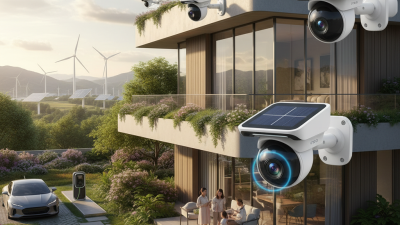
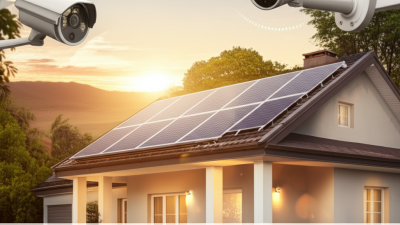
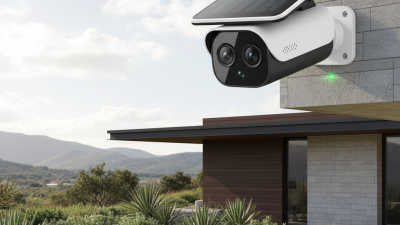
In today's world, home security is paramount. Many homeowners seek effective solutions to protect their properties. Security Cameras Solar offer an innovative option for safety. These cameras harness the power of the sun, reducing energy costs while providing reliable surveillance.
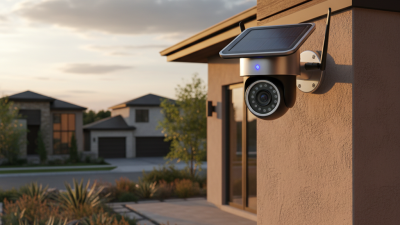
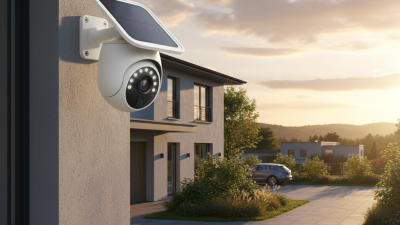
With solar technology, installation is simpler. There's no need for complex wiring or outlets. These cameras can be placed anywhere with access to sunlight, ensuring 24/7 protection. Additionally, Security Cameras Solar often come equipped with advanced features, like motion detection, night vision, and real-time alerts. They keep you informed of any suspicious activities around your home.
However, it's essential to consider the limitations. Solar-powered cameras rely on sunlight; poor weather may impact performance. Additionally, some models may have lower video quality than traditional wired systems. Careful selection and placement are crucial to maximize effectiveness. Ultimately, finding the right solar security camera makes a significant difference in home safety.
Best Solar Security Cameras: An Overview of Solar Technology
Solar technology has revolutionized the way we approach security cameras. These devices harness the sun's energy, offering a sustainable alternative to traditional security systems. According to a report by the Solar Energy Industries Association, the solar market has grown by 167% over the past five years. This growth reflects consumers' increasing interest in energy-efficient home solutions.
Many solar security cameras can operate independently. They are equipped with solar panels, tough outdoor ratings, and high-resolution imaging. A study from Markets and Markets indicates that the global market for smart home security is expected to reach $78.9 billion by 2024. This shows a clear trend towards embracing smarter, energy-efficient devices in our homes.
While solar cameras provide many benefits, they are not without limitations. They depend on sunlight, which means their efficiency may decline in cloudy weather or during winter months. Battery life can also be a concern. Users may find themselves needing to position their cameras for optimal light, which can be tricky. Proper installation and regular maintenance are crucial for reliability.
Key Features to Look for in Solar Security Cameras
When choosing solar security cameras, look for essential features that enhance protection. Battery life is crucial; select models with long-lasting batteries. Consider cameras with high-resolution video capabilities. Clear images help identify any potential threats. Night vision is another key feature that ensures visibility in low light.
Motion detection adds another layer of security. Cameras that send alerts to your smartphone when movement is detected keep you informed. Weatherproof designs are also important. These cameras must withstand various outdoor conditions, ensuring reliability in rain or shine.
Do not overlook storage options. Some cameras offer cloud storage, while others provide local storage. Evaluate which method suits your needs best. Installation needs attention too; easy installation can save time and reduce frustration. Always read user reviews to understand real-world performance. This can shine a light on potential issues. Investing time in research pays off in long-term security.
Top Solar Security Camera Models Reviewed
When it comes to home security, solar security cameras offer a sustainable and efficient solution. These devices harness solar energy, making them ideal for remote locations. According to recent industry reports, approximately 30% of break-ins can be deterred by visible security measures. Solar cameras present a smart way to maintain surveillance without the hassle of wiring and continuous battery replacement.
Many models feature night vision, motion detection, and cloud storage options. A study by Security Magazine reveals that homes equipped with surveillance systems are 300% less likely to be burglarized. This data highlights the importance of selecting a reliable camera. Battery life and video quality are crucial features to evaluate. Some users may overlook these details, leading to subpar security outcomes.
When choosing a solar security camera, consider your coverage area and specific needs. Often, homeowners underestimate the importance of proper placement. A camera positioned in a shadow may not capture clear footage. Experimenting with different angles can lead to better monitoring results. Regular maintenance checks can help ensure your system works effectively, minimizing potential blind spots.
Best Solar Security Cameras for Ultimate Home Protection
| Model |
Resolution |
Battery Life |
Field of View |
Night Vision |
Weather Resistance |
| Model A |
1080p |
6 months |
120° |
Up to 30 ft |
IP65 |
| Model B |
2K |
5 months |
130° |
Up to 40 ft |
IP66 |
| Model C |
4MP |
8 months |
110° |
Up to 50 ft |
IP67 |
| Model D |
1080p |
4 months |
125° |
Up to 20 ft |
IP65 |
| Model E |
HD |
7 months |
115° |
Up to 25 ft |
IP68 |
Installation Tips for Solar Security Cameras at Home
When installing solar security cameras, careful planning is essential. Choose locations that capture high traffic areas. This will enhance your home security. Avoid placing cameras too high; low placements provide better visibility.
Aim for solar panels with direct sunlight. Obstructions like trees or buildings can affect performance. Regularly check for debris or dirt on solar panels. Ensuring cleanliness maintains charging efficiency.
Consider using mounting brackets that allow for easy adjustment. This flexibility is beneficial in changing seasonal sunlight. Take your time to angle the cameras correctly for the best view. Adjustments may be needed based on weather changes. Prioritize areas that need the most protection, but don’t overlook less obvious spots.
Comparing Solar Security Cameras with Traditional Options
Solar security cameras are gaining popularity due to their unique advantages over traditional wired systems. One significant benefit is the independence from electrical wiring. According to a recent industry report, about 70% of homeowners prefer wireless solutions due to easier installation and flexibility. Solar cameras, using renewable energy, can be placed in remote locations without worrying about power sources.
However, these cameras have limitations. For instance, they rely on sunlight for optimal performance. A study showed that, in areas with significant overcast days, solar cameras may underperform. Moreover, battery life can be affected by temperature extremes. In hot climates, excessive heat can reduce battery efficiency. Monitoring these factors is crucial for effective home security.
In contrast, traditional security cameras offer reliability through constant power supply but require complex installation. The upfront costs for wired systems can also be high, often making them less accessible. Homeowners may find themselves struggling with maintenance and system upgrades. This contrast highlights the necessity for individuals to evaluate their specific needs before selecting a security solution. Balancing between innovation and practicality remains a challenge in the evolving landscape of home security.