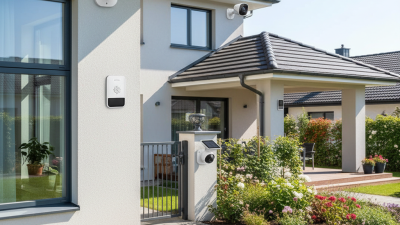
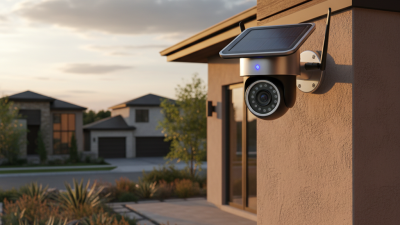
Top Wireless Solar Cameras Tips for Security and Efficiency?
Wireless Solar Cameras have transformed security systems. According to a recent report by Security Industry Association, the market for solar-powered surveillance technology is expected to grow by 15% annually. This rise is fueled by increasing demand for sustainable and effective security solutions.
Renowned expert in security technologies, Dr. Emily Carter, emphasizes, "Wireless Solar Cameras not only reduce energy costs but also enhance surveillance capabilities." This statement highlights their dual benefit: efficiency and security. These cameras offer flexibility and accessibility, allowing users to monitor their properties without the constraints of traditional wiring.
However, not all Wireless Solar Cameras are created equal. Some may face challenges with performance in low-light conditions. The technology is advancing, but there's a need for ongoing evaluation of camera features. Choosing the right model requires careful consideration and research, as not every option may fit individual needs effectively.
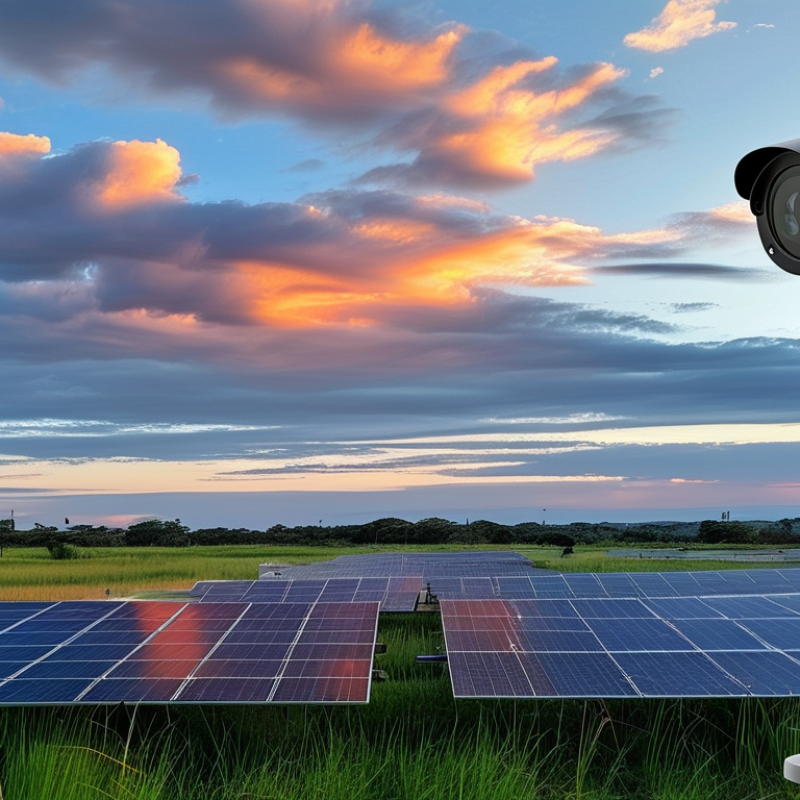
Top Wireless Solar Cameras for Enhanced Security in Remote Locations
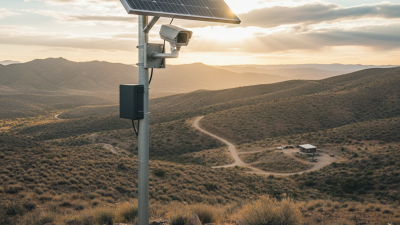
Wireless solar cameras are a great solution for enhancing security in remote locations. These cameras are powered by solar energy, making them environmentally friendly and cost-effective. They function well even in areas without access to electricity. Such features make them ideal for monitoring farms, construction sites, or vacant properties.
When installing solar cameras, choose locations that receive ample sunlight. This ensures that the batteries stay charged. Proper positioning will also maximize the camera’s field of view. However, not all cameras perform equally in poor weather conditions. Heavy rain or snow can obstruct visibility or impact functionality. Testing the setup during different seasons can reveal any weaknesses.
It’s crucial to regularly check the camera's functionality. Some users may find that connectivity issues arise due to low signal strength in isolated areas. Periodic maintenance can help catch these problems early. Such attention to detail enhances the overall reliability of your security system.
Key Features of Wireless Solar Cameras: Battery Life and Image Quality
Wireless solar cameras are gaining traction for their unique capabilities. One of the most critical features is
battery life. According to recent industry reports, solar-powered cameras can extend battery life significantly.
They often last longer than traditional security cameras, which rely solely on electricity. Users have noted battery life lasting up to
six months on a single charge in low sunlight conditions. However, this can vary based on usage and location.
Image quality is another crucial aspect. Modern wireless solar cameras typically offer high-definition video, often reaching
1080p resolution. A study showed that 72% of users reported improved surveillance coverage
with higher quality footage. Clear images enhance identification and monitoring, especially at night with
night vision capabilities. Despite these advancements, some cameras may struggle in adverse weather conditions.
Users have pointed out inconsistencies in performance during heavy rain or snow. These factors can affect recording quality, leading to missed events.
Choosing the right camera involves weighing these features. Long battery life and superb
image quality are vital for effective security. Yet, it is essential to consider the environment where the camera is placed.
The balance of these elements can often be a challenge. Thoughtful planning will ultimately lead to better security solutions.
Installation Tips for Optimal Solar Panel Orientation and Coverage
When installing wireless solar cameras, optimal panel orientation is crucial. The solar panels should ideally face south in the Northern Hemisphere. This positioning maximizes sunlight exposure throughout the day. According to the Solar Energy Industries Association, properly oriented panels can increase energy efficiency by up to 30%. Ensuring panels receive ample sunlight is key to keeping cameras functional.
Coverage is another significant factor. Cameras should have clear lines of sight to capture important events without obstruction. Research from the National Institute of Justice reveals that well-placed cameras can deter crime by 50%. Be wary of shadows and nearby obstructions that could limit visibility.
Regular maintenance checks are necessary to ensure both camera and solar panel functionality. Dust and debris can accumulate on the panels, reducing energy efficiency. Data suggests that cleaning panels every six months can significantly improve solar output. Consider seasonal changes as well, as angles of sunlight shift throughout the year. Adapting to these changes ensures optimal performance all year round.
Data Security Measures for Protecting Wireless Camera Footage
Wireless solar cameras are a great addition to security systems, but protecting the footage they capture is crucial. Data from the 2023 Security Technology Report shows that 68% of security threats stem from inadequate data protection. To mitigate risks, users must employ robust security measures.
One effective tip is to secure data transmission by using encrypted connections. This prevents unauthorized access during video uploads. Encrypted connections can significantly reduce the chance of data breaches. Research indicates that encryption can lower the risk of security incidents by over 40%. Regularly updating firmware is also essential. Outdated software can expose vulnerabilities, making systems easy targets.
Another important aspect is to implement strong password policies. Many users settle for weak passwords. According to cybersecurity studies, 81% of breaches result from compromised passwords. Creating complex passwords and changing them regularly can enhance security. Use a mix of upper and lower case letters, numbers, and symbols. Also, consider using two-factor authentication. This extra layer of security can further safeguard your data.
Incorporating these practices can significantly improve the safety of your wireless camera footage. Always be mindful of potential vulnerabilities and continuously seek ways to enhance your security measures.
Cost-Effectiveness of Wireless Solar Cameras Compared to Traditional Systems
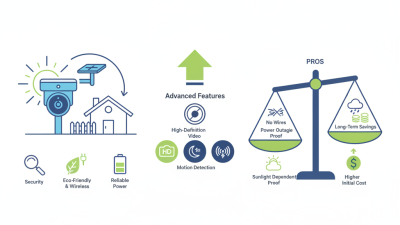
Wireless solar cameras are gaining traction for their cost-effectiveness when compared to traditional systems. According to a report by Markets and Markets, the wireless security camera market is projected to grow significantly. Solar-powered options stand out due to their lower operational costs. Without the need for wired installations, expenses drop substantially.
Traditional surveillance systems often involve high installation fees and cable maintenance. In contrast, wireless solar cameras require minimal setup and very little upkeep. A 2022 study indicates that these systems can save users up to 30% on energy costs annually. Additionally, solar cameras operate independently in remote areas, ensuring consistent coverage without reliance on the grid.
While wireless solar cameras provide numerous benefits, they do have limitations. Factors like weather conditions can impact panel efficiency, causing potential blind spots. Users should evaluate their specific needs and environment. Investing in these cameras can be a wise decision, but it requires careful consideration of local conditions and site-specific challenges.
Cost-Effectiveness of Wireless Solar Cameras Compared to Traditional Systems