Why Choose Solar Cameras Outdoor for Your Security Needs?
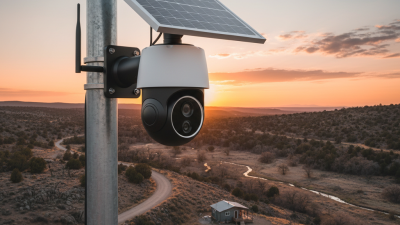
In recent years, security has become a top priority for homeowners and businesses alike. The rise in property crimes and the need for reliable monitoring have led to a surge in outdoor security solutions. Among the most innovative options are Solar Cameras Outdoor. These cameras not only provide effective surveillance but also harness the power of renewable energy, making them an eco-friendly choice.
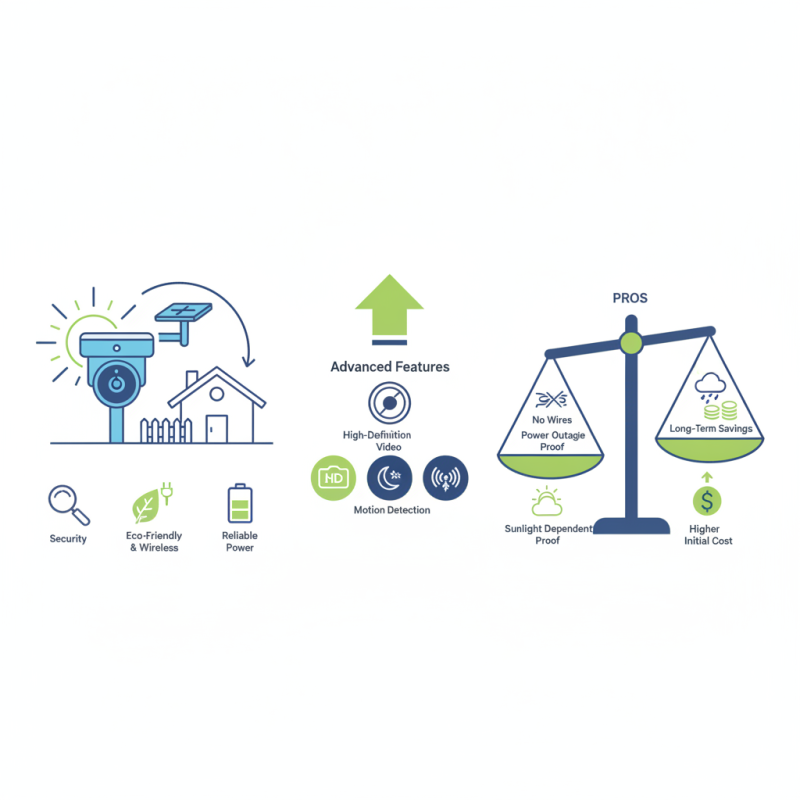
Solar Cameras Outdoor are equipped with advanced technology and features. They offer high-definition video, night vision, and motion detection. What sets them apart is their ability to operate independently of traditional power sources. This independence ensures that your security system remains functional even during power outages. Many users appreciate the convenience of installation without the hassle of wiring.
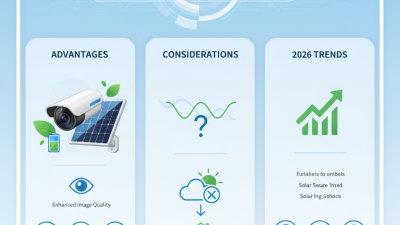
While Solar Cameras Outdoor present significant advantages, they may not be suitable for every environment. Factors such as sunlight exposure and regional climate should be considered. Additionally, some users might find that initial costs can be higher than conventional cameras. However, the long-term benefits often outweigh these concerns, providing a reliable and sustainable security solution for your property.
Benefits of Solar-Powered Outdoor Security Cameras
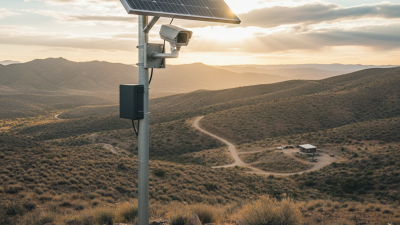
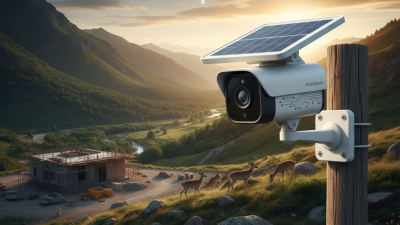
Solar-powered outdoor security cameras offer numerous benefits, making them an excellent choice for enhancing your security. These cameras utilize renewable energy, reducing reliance on electricity. They are ideal for remote areas where power sources are scarce or unreliable. With the ability to operate independently, you can place them anywhere without worrying about wiring.
The installation process is often simple and straightforward. Many solar cameras come with user-friendly mounting kits. They can be easily positioned to cover vulnerable spots around your property, such as driveways or entrances. Additionally, these cameras usually feature motion detection technology. When activity is detected, they can send instant alerts to your smartphone. This immediate notification can provide peace of mind, allowing you to monitor your property in real-time.
While there are many advantages, it's essential to consider some limitations. Solar cameras might require regular cleaning to maintain optimal performance. Dirt and debris can obstruct the solar panel, leading to reduced efficiency. Weather conditions can also impact functionality, especially in areas with prolonged cloudy days. Therefore, placement and regular maintenance are crucial for achieving reliable security.
How Solar Cameras Operate Without Traditional Power Sources
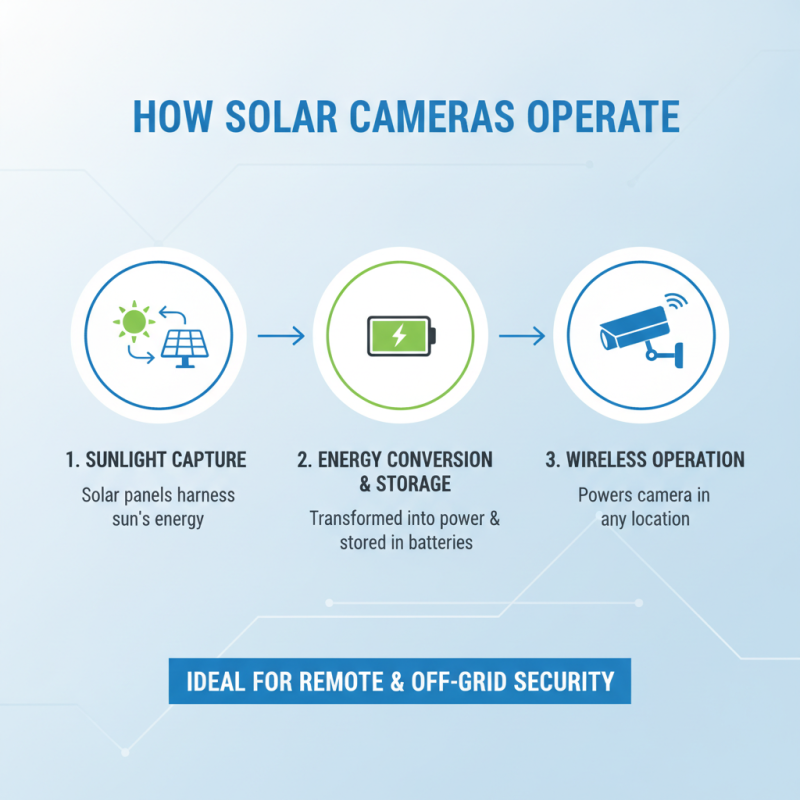
Solar cameras are revolutionizing outdoor security. These devices operate efficiently without relying on traditional power sources. They use solar panels to harness sunlight, transforming it into energy. This innovation makes them ideal for remote areas and locations without power access.
The solar panels charge built-in batteries during the day, enabling consistent function even at night. This allows for continuous monitoring of your property. Rainy days can impact performance, but smart designs often include backup battery options. Regular maintenance, such as cleaning the solar panel surfaces, can enhance energy capture.
These cameras typically have motion detection and cloud storage features. They can send alerts directly to your smartphone when motion is detected. However, users must be aware that excessive foliage or obstructions can hinder performance. Keeping the area around the solar panels clear is crucial for optimal functionality. Overall, solar cameras present a reliable and innovative solution for outdoor security.
Key Features to Consider When Choosing Solar Security Cameras
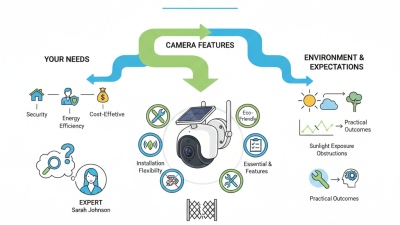
Solar cameras are a growing choice for outdoor security. Their unique features make them an attractive option. To ensure effective monitoring, it’s important to understand what to look for when selecting these devices.
Picture quality is crucial. Many solar cameras now offer HD resolution, which can significantly enhance image clarity. According to a recent report by MarketsandMarkets, the demand for high-definition cameras has surged by 22% in the past year. Enhanced night vision capability is another feature to consider. Cameras that utilize infrared technology provide clear images even in low light. This feature can be pivotal in deterring potential intruders during nighttime.
Battery life remains a vital aspect of solar security cameras. A report from the Security Industry Association (SIA) indicated that efficient battery performance is critical for constant monitoring. Users should choose models that can operate for extended periods without direct sunlight. Connectivity options also matter. Wi-Fi-enabled cameras allow remote access and notifications, providing real-time updates. However, inadequate signal strength can lead to gaps in surveillance. This highlights the importance of choosing strategically suitable locations for installation to maximize coverage and efficiency.
Key Features of Solar Security Cameras
Comparative Analysis: Solar Cameras vs. Traditional Surveillance Systems
When evaluating outdoor security solutions, solar cameras stand out in contrast to traditional surveillance systems. The key advantage of solar cameras lies in their energy independence. A 2020 industry report indicates that solar-powered cameras can reduce energy costs by up to 60%. This feature makes them ideal for remote locations where electrical sources are limited.
Traditional systems often rely on wired connections, making installation more expensive and time-consuming. Unforeseen issues with wiring can lead to vulnerabilities. According to a 2022 analysis, around 30% of security breaches occur due to faulty wiring or power outages. In contrast, solar cameras are typically designed for easy setup and minimal maintenance.
However, solar cameras are not without challenges. Their effectiveness can be diminished in prolonged cloudy weather. Some users have reported that battery life issues arise during winter months. A recent survey showed that 15% of solar camera users experienced battery shortcomings in colder climates. Users should consider these factors and their local weather conditions when choosing their surveillance solutions.
Why Choose Solar Cameras Outdoor for Your Security Needs? - Comparative Analysis: Solar Cameras vs. Traditional Surveillance Systems
| Feature |
Solar Cameras |
Traditional Surveillance Systems |
| Power Source |
Solar-powered, eco-friendly |
Wired or battery-powered |
| Installation |
Easy to install, no wiring needed |
Professional installation often required |
| Maintenance |
Low maintenance, clean solar panels periodically |
Regular upkeep and wiring checks needed |
| Cost |
Higher initial cost, long-term savings |
Lower initial cost, additional energy costs |
| Video Quality |
High-definition video available |
Varying quality depending on system |
| Connectivity |
Wi-Fi connectivity for live streaming |
Often requires direct connections |
| Environmental Impact |
Minimal environmental impact |
Higher carbon footprint due to power usage |
Environmental Impact and Sustainability of Solar Camera Technology
When considering security solutions, solar cameras stand out due to their environmental benefits. These cameras harness solar energy, reducing dependence on electricity. They are an eco-friendly choice, aligning with sustainable living practices. Choosing solar technology means supporting renewable energy. Each solar camera captures sunlight, converting it into power. This reduces the carbon footprint associated with traditional security systems.
Installing solar cameras offers additional advantages. For optimal performance, position them in sunny areas. Ensure they receive direct sunlight for several hours each day. While solar cameras often work efficiently, cloudy days can reduce their power generation. It's important to monitor battery levels regularly. A reliable installation is essential to maximize their capabilities.
Solar cameras also reduce energy costs. Although the initial investment may be higher, savings accumulate over time. This cost-effectiveness can make eco-friendly technology more appealing. However, some users may find the installation process challenging. Taking the time to learn about the setup is essential. Consider consulting guides or tutorials to ease the process.