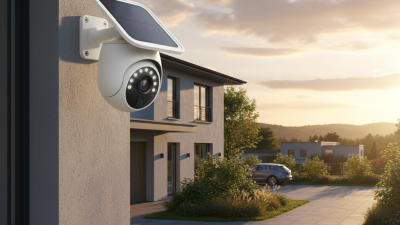
How to Choose the Best Wireless Solar Cameras for Your Needs?
Choosing the right Wireless Solar Cameras can be daunting. With numerous options on the market, each claiming to be the best, it's essential to find one that suits your unique needs. Industry expert Dr. Emily Carter once said, "A truly effective security solution must blend functionality with ease of use." This highlights the importance of choosing a camera that not only offers advanced features but is also user-friendly.
When considering Wireless Solar Cameras, key factors include battery life, video quality, and installation ease. For instance, some models excel in low-light conditions but may lack adequate battery performance. A camera that requires frequent charging can be more frustrating than beneficial. Look for a product that balances these aspects effectively.
Additionally, user reviews can provide valuable insights. They often reveal hidden flaws or exceptional benefits that specifications don’t cover. Certain cameras may have excellent reviews yet falter during extreme weather conditions. Reflecting on these issues can help you make a more informed decision and ensure you choose a reliable security solution for your needs.
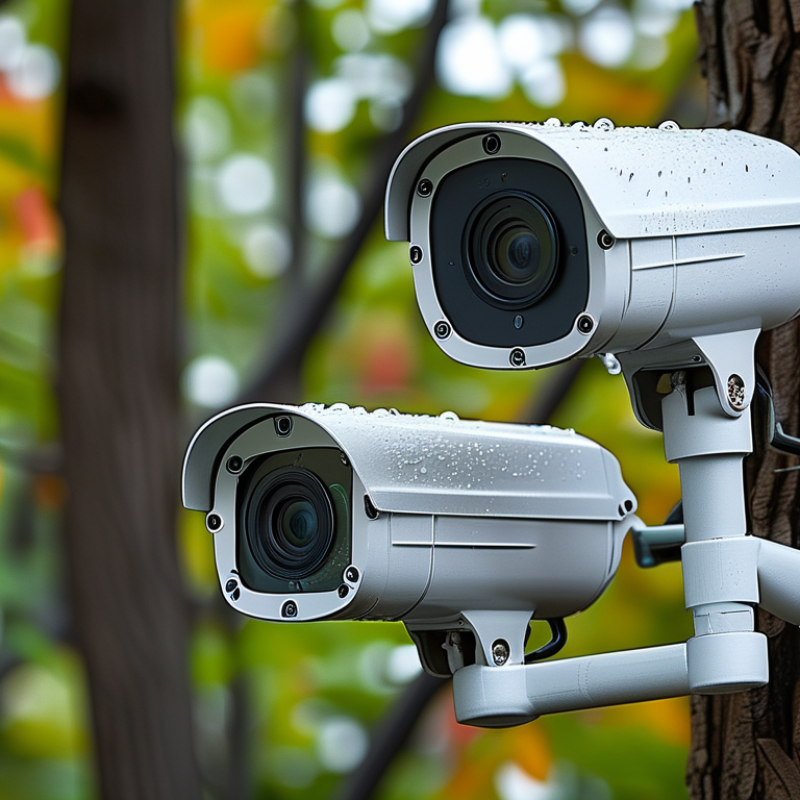
Understanding the Basics of Wireless Solar Cameras in Security Systems
Wireless solar cameras are increasingly popular in security systems. They offer convenience and sustainability. Solar energy powers these devices, reducing reliance on traditional power sources. According to a recent market report, the wireless solar camera market is expected to grow significantly, with a projected CAGR of 20% over the next five years. This growth highlights the increasing demand for eco-friendly security solutions.
When selecting a solar camera, consider factors such as resolution, battery life, and field of view. Higher resolution improves image clarity, which is essential for visible identification. Research shows that cameras with 1080p resolution can capture clearer details than those with lower settings. Solar cameras often have batteries that last for weeks. However, prolonged cloudy weather can impact performance. Choosing a camera with a reliable battery backup ensures consistent functionality.
The integration of wireless technology offers flexibility in installation. No need for wiring simplifies setup in various locations. However, network connectivity can be a concern. Signal interference or weak Wi-Fi can affect video streaming quality. Regular testing and optimization of your network can help maintain performance. Balancing these elements is crucial for your security needs. Consider local climate conditions when assessing overall reliability.
Key Features to Consider When Evaluating Wireless Solar Cameras
When evaluating wireless solar cameras, several key features play a crucial role. Battery life is essential for uninterrupted surveillance. A camera with a robust solar panel extends its usability. Look for models that can charge effectively even in low light. This ensures reliability throughout the year.
Image quality is another critical aspect. High-resolution cameras provide clearer footage. Clarity matters in identifying people or events. Night vision capabilities should also be assessed. Good low-light performance adds to the camera's effectiveness. Consider weather resistance too. Cameras should function well in various weather conditions.
Installation ease is often overlooked. Some models offer simple, user-friendly mounting options. This matters especially if you are not tech-savvy. Lastly, check compatibility with smart home systems. Integration can enhance your overall security measures. It’s essential to reflect on which features align with your specific needs.
Comparison of Key Features in Wireless Solar Cameras
Assessing Battery Life: A Critical Component for Solar Camera Longevity
When choosing wireless solar cameras,
battery life
is a crucial factor. The longevity of the camera depends significantly on how well its battery maintains a charge.
Recent studies indicate that solar cameras equipped with high-capacity lithium-ion batteries can operate effectively for
up to three years. However, various factors such as weather conditions and usage frequency can affect this performance.
In ideal environments, solar cameras can rely on sunlight for power. Yet, research shows that in areas with limited sunlight,
battery life can diminish rapidly.
For instance, a study revealed that cameras in cloudy regions may experience a
30% reduction in battery efficiency.
Regular maintenance, such as cleaning the solar panel and ensuring it is unobstructed, can help prolong battery life.
Many users overlook battery life when selecting solar cameras.
Often, people prioritize features like image quality or remote access.
However, the best image quality is useless if the camera can't operate consistently.
It’s essential to balance features and assess where the camera will be used.
Evaluating the area’s sunlight exposure is vital before finalizing a purchase.
This simple step can reveal whether a camera is truly suitable for your needs.
Analyzing Cloud Storage Options and Data Privacy for Your Camera
When selecting wiresless solar cameras, cloud storage options and data privacy play crucial roles. According to a 2022 study by Security Industry Association, 83% of consumers prioritize data protection in their smart devices. Many cameras offer cloud storage to save footage remotely. However, this convenience often comes with risks.
Most providers encrypt their data, yet not all guarantee complete security. A 2021 report indicated that 30% of users experienced privacy breaches with cloud services. Consider the nature of the footage you will store. Sensitive information demands robust encryption standards. Always read the terms of service to understand data handling policies.
Moreover, think about the accessibility of your footage. Some services allow easy retrieval while others can be cumbersome. This can affect your response time in emergencies. Regularly reviewing your cloud options can lead to better choices. Many users overlook this aspect, resulting in unfortunate consequences. Balancing storage convenience with privacy is essential for every camera owner.
Comparative Analysis of Leading Brands and Their Performance Metrics
When selecting wireless solar cameras, performance metrics are crucial. Key aspects like resolution, battery life, and connectivity impact their effectiveness. Assessing these factors can help identify which camera meets your unique needs.
Battery life is essential for outdoor use. Some models last longer than others, impacting how often you need to recharge or replace them. High-resolution options may offer clearer images, but they often consume more power. On the other hand, lower resolutions might sacrifice detail for extended battery life.
Tips: Always check user reviews for real-life insights. Compare features across models. Sometimes, a high price tag does not guarantee better performance. Also, pay attention to the camera's connectivity options. A reliable Wi-Fi connection is vital for seamless operation.
Consider the installation process as well. Cameras with complex setups can deter use, affecting your security. Simplicity often leads to better usability. While evaluating metrics, remember your specific requirements. Each environment might need different features for optimal monitoring.
How to Choose the Best Wireless Solar Cameras for Your Needs?
| Feature |
Option 1 |
Option 2 |
Option 3 |
| Resolution |
1080p |
720p |
4MP |
| Field of View |
130° |
90° |
120° |
| Night Vision |
Yes (IR) |
Yes (Color) |
Yes (IR) |
| Battery Life |
Up to 6 months |
Up to 3 months |
Up to 8 months |
| Weather Resistance |
IP65 |
IP66 |
IP67 |
| Storage Options |
Cloud + SD Card |
Cloud only |
SD Card only |
| Two-way Audio |
Yes |
No |
Yes |