Why Should You Choose CCTV With Solar Power for Your Security Needs
In an era where security is paramount, choosing the right surveillance solution can significantly enhance your peace of mind. One innovative option gaining traction is the deployment of CCTV with solar power. This technology combines the benefits of advanced surveillance systems with the sustainability of solar energy, providing a cost-effective and environmentally friendly approach to security management. With the ability to operate independently from traditional electrical grids, solar-powered CCTV can be strategically placed in remote areas, ensuring comprehensive coverage where it’s needed most.
Moreover, CCTV with solar power offers substantial long-term financial savings. By harnessing solar energy, property owners can reduce their reliance on electricity, leading to lower operational costs and minimized environmental impact. Additionally, the robust and often weather-resistant design of these systems ensures they can withstand the elements, providing reliable performance year-round. As concerns about theft, vandalism, and unauthorized access continue to rise, installing solar-powered surveillance systems presents a proactive measure to safeguard your property while embracing a sustainable future. In this article, we will explore the myriad advantages of integrating CCTV with solar power into your security solutions.
Benefits of Solar-Powered CCTV for Security Applications
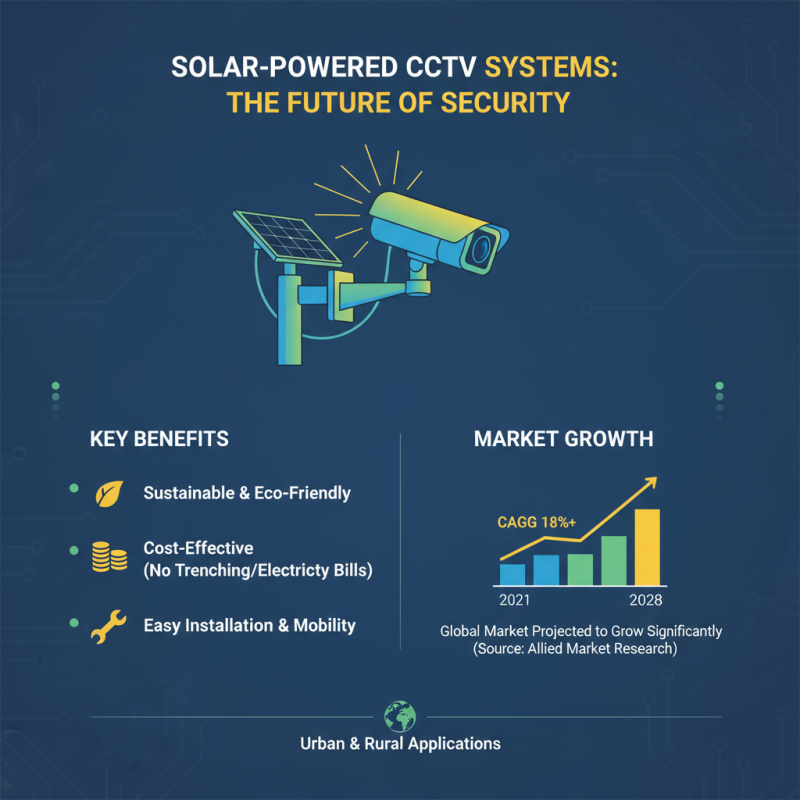
Solar-powered CCTV systems are becoming increasingly popular for security applications, thanks to their unique benefits that traditional systems lack. According to the "Global Market for Security Cameras" report published by Allied Market Research, the solar-powered security camera market is projected to grow significantly, with an expected CAGR of over 18% from 2021 to 2028. This growth is largely driven by the need for sustainable, cost-effective security solutions in both urban and rural settings.
One of the key advantages of solar-powered CCTV is their ability to operate independently of the electrical grid, making them ideal for remote or off-grid locations. These cameras harness sunlight to generate energy, reducing reliance on traditional power sources and lowering operational costs. The International Energy Agency reports that solar energy has the potential to supply up to 27% of the world's energy needs by 2050, emphasizing the increasing viability of such technologies in various applications, including security.
Moreover, solar-powered CCTV systems are equipped with rechargeable battery backup, ensuring continuous operation even during periods of low sunlight. This uninterrupted functionality is crucial for maintaining surveillance in critical areas, as highlighted by a study from the Security Industry Association, which found that 70% of organizations reported improved security outcomes with the deployment of advanced surveillance technologies. Ultimately, the integration of solar power in CCTV not only enhances security but also supports a more sustainable approach to energy consumption in the security industry.
How Solar Energy Enhances CCTV Camera Performance
Solar energy has emerged as a game-changer for CCTV camera performance, offering numerous benefits that enhance security monitoring. According to a report by the Solar Energy Industries Association, the incorporation of solar technology in surveillance systems can lead to a 20-30% increase in operational efficiency. This boost is primarily due to the reliability and sustainability of solar energy, allowing CCTV cameras to operate continuously without the constraints of traditional power sources. Solar-powered CCTV systems can be strategically placed in remote areas where conventional electricity supply is absent, ensuring that surveillance can be maintained in critical zones.
Moreover, solar energy not only ensures constant power supply but also reduces operational costs. A study published in the Journal of Renewable Energy found that businesses can reduce their average energy costs by up to 80% when utilizing solar-powered surveillance systems. By harnessing solar power, organizations can minimize their dependency on the electrical grid, which is particularly advantageous in regions prone to power outages.
Additionally, solar-powered CCTV systems are often equipped with advanced battery storage solutions, allowing them to store excess energy for use during cloudy days, thereby ensuring uninterrupted performance throughout varying weather conditions. Overall, solar energy integration into CCTV technology represents a significant stride towards more efficient and reliable security solutions.
Cost-Effectiveness of Solar-Powered Surveillance Systems
When considering security options for your property, solar-powered CCTV systems emerge as a cost-effective solution. Unlike traditional surveillance systems that require constant power sources, solar cameras harness sunlight to operate. This means no hefty electricity bills and minimal operational costs, making them an attractive choice for both residential and commercial security needs. Moreover, with decreasing solar panel prices, the initial investment is increasingly justifiable, providing long-term savings while enhancing security.
**Tips**: When installing solar-powered CCTV, ensure your camera is placed in a location that receives ample sunlight throughout the day. Regularly check the angle and duration of sunlight exposure to maximize battery charging efficiency. Additionally, consider systems with built-in motion sensors to conserve energy only when surveillance is needed.
Another financial advantage of solar-powered surveillance is their installation flexibility. Since these systems are not tied to electrical wiring, you can install them in remote or hard-to-reach areas without incurring extra costs for electrical work. This versatility not only enhances security coverage but also protects you from unforeseen expansion costs in the future.
**Tips**: Before installation, assess the layout of your property and identify key areas that require surveillance. Use this assessment to strategically place your cameras where they can benefit from natural light, ensuring optimal performance and energy efficiency.
Why Should You Choose CCTV With Solar Power for Your Security Needs - Cost-Effectiveness of Solar-Powered Surveillance Systems
| Feature |
Solar-Powered CCTV |
Traditional CCTV |
| Initial Setup Cost |
$700 - $1,200 |
$500 - $1,000 |
| Annual Energy Cost |
$0 |
$100 - $200 |
| Maintenance Cost |
$50 - $100 |
$100 - $300 |
| Lifespan |
10 - 15 years |
5 - 10 years |
| Environmental Impact |
Low (renewable energy) |
Moderate (fossil fuel dependence) |
| Installation Flexibility |
High (no wiring needed) |
Low (wired installation required) |
| Image Quality |
Up to 4K |
Up to 4K |
Environmental Impact of Using Solar-Powered CCTV
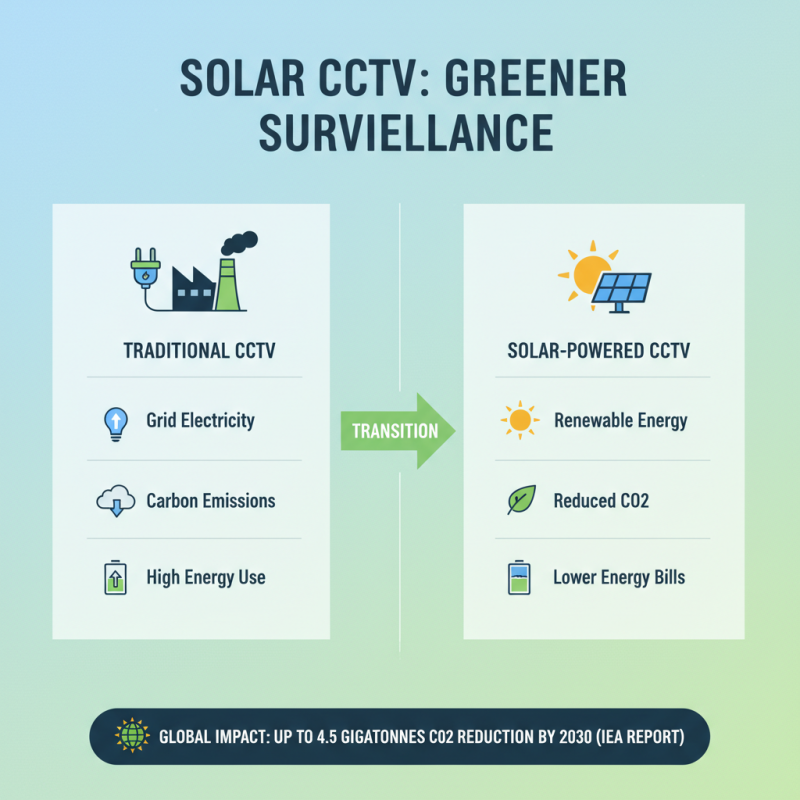
The increasing adoption of solar-powered CCTV systems is driven not only by their effectiveness but also by their significant environmental benefits. Traditional CCTV cameras often rely on grid electricity, contributing to carbon emissions and heightened energy consumption. However, a report from the International Energy Agency (IEA) indicates that solar energy has the potential to reduce global carbon dioxide emissions by up to 4.5 gigatonnes annually by 2030, underscoring the positive impact of transitioning to renewable energy sources for surveillance systems.
Solar-powered CCTV systems operate autonomously by harnessing sunlight to generate electricity, minimizing reliance on fossil fuels. This renewable approach not only reduces the carbon footprint but also includes the advantage of long-term cost savings. According to a market analysis by the Solar Energy Industries Association (SEIA), installations of solar energy systems have surpassed 100 gigawatts in the U.S. alone, illustrating a growing trend towards sustainability. Moreover, operating independently of the main power grid makes solar CCTV systems ideal for remote or off-grid locations, further emphasizing their role in reducing environmental impact while maintaining security protocols.
Installation and Maintenance Considerations for Solar CCTV Systems
When considering the installation of a solar-powered CCTV system, several key maintenance factors come into play. First, understanding the energy efficiency of solar panels is critical. According to the Solar Energy Industries Association (SEIA), systems can achieve over 20% efficiency, which means adequate energy capture even in lower light conditions. Moreover, these systems often come equipped with battery backups, ensuring continuous operation even during nighttime or cloudy weather, thus maintaining optimal security.
The installation process for solar CCTV systems also requires careful planning and consideration. Ideal placement is essential to maximize sunlight exposure, which typically means positioning the solar panels in unobstructed locations. According to the National Renewable Energy Laboratory (NREL), strategic site selection can enhance energy collection by as much as 30%, significantly boosting the system's performance. Furthermore, regular maintenance is essential for longevity; dust and debris can obstruct sunlight and reduce panel efficiency. It’s recommended that users perform checks biannually, with comprehensive inspections to ensure that both the camera functionality and the solar panel output are maintained at their peak efficiency.
Benefits of Solar-Powered CCTV Systems
The chart above illustrates the key benefits of choosing solar-powered CCTV systems for security purposes. These include significant cost savings, reduced environmental impact, enhanced reliability, and installation flexibility. Each of these factors contributes to the growing popularity of solar-powered solutions in the security industry.