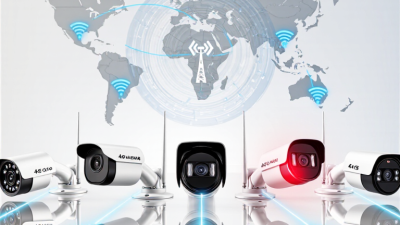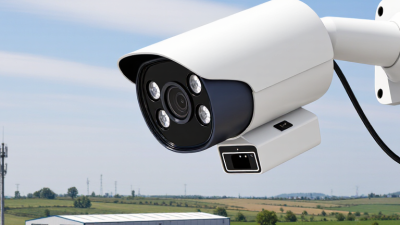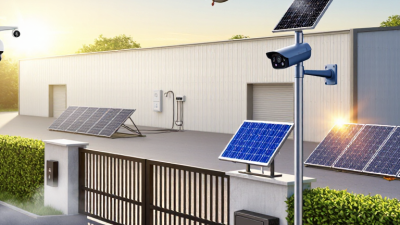
A driveway may sit beyond the reach of home Wi-Fi, yet still need a clear view after dark. A 4G Wireless Camera sends footage over a cellular network, making it useful for cabins, gates, sheds, and remote work sites. That convenience comes with trade-offs: coverage, data costs, battery life, and image quality all matter. No signal? No footage.
Security technologist Bruce Schneier offers a useful principle: “Security is a process, not a product.” For outdoor cameras, that means looking beyond the advertised resolution. A bright infrared image can still miss a face; an instant alert is less helpful if the app is unreliable. This guide compares seven 2026 options by cellular compatibility, night vision, weather resistance, power choices, storage, and everyday setup. Check carrier support before buying. A camera may support 4G, but not every local network or plan.
The best choice depends on where it will be mounted and what it must capture. A solar panel may help at a sunny gate, while a spare battery can matter more under thick tree cover. We also consider practical limits, including subscription requirements and weak-signal performance. Specifications do not tell the whole story, and real conditions vary. A camera that looks ideal on paper may disappoint in a cold, shaded corner. This shortlist aims to make those trade-offs easier to judge, not promise perfect coverage.
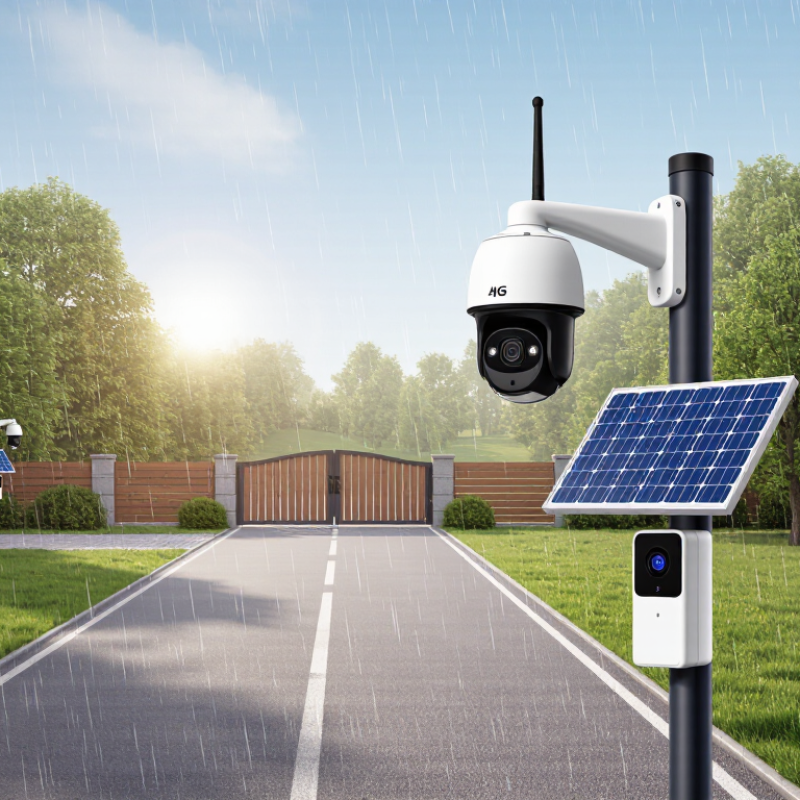
A 4G wireless camera sends footage over a cellular network, so it can protect a shed, gate, or remote driveway without home Wi-Fi. When motion triggers recording, the camera can send an alert and, if configured, upload a short clip. Coverage still matters: a camera beside a metal-sided barn may receive a weak signal even when a phone works nearby. Check signal strength at the exact mounting spot before installation.
The Ericsson Mobility Report, June 2024, estimated 5.2 billion 4G subscriptions worldwide at the end of 2023. That scale helps explain why 4G can suit sites beyond fixed broadband, but it does not guarantee service at every property. Review data limits, upload quality, battery life, and storage settings. Frequent alerts or continuous streaming can consume data quickly. Cellular access is useful, not magic; poor placement and missed maintenance still leave gaps.
Tips: Test live video during daytime and after dark. Aim the lens away from moving branches to reduce false alerts. Use a strong account password, enable available security updates, and check the camera’s power and data use each month. A small setup mistake can matter.
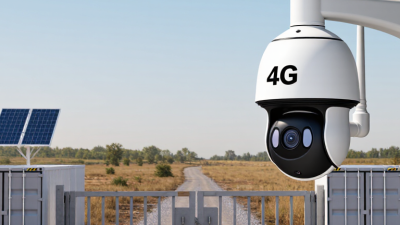
Choosing an outdoor 4G camera starts with checking cellular coverage at the exact mounting spot. A strong signal beside the house may weaken near a metal gate or under a deep eave. Check which LTE bands the camera supports and whether its SIM plan fits your expected video use. Live viewing and frequent clips can consume data quickly. Test the signal there.
Power matters just as much. Battery models are easier to mount, but cold weather and repeated motion alerts can shorten runtime. A solar panel helps only when it receives enough direct sunlight; shade from a roof can make a noticeable difference. Look for adjustable motion zones, person detection, and sensitivity controls. These can reduce alerts from branches moving in the wind, though no setting is perfect.
Compare image quality at night, not just daytime resolution. Infrared footage may show a person clearly at a short distance but miss detail farther down a driveway. Check the camera’s weather rating, operating temperature, and mounting design for your local conditions. Storage is another trade-off: cloud plans may depend on a continuing data connection, while local storage can be lost if the camera is taken. Read how footage is encrypted and how long clips remain available. A feature list can look reassuring; real performance still depends on placement, signal, and upkeep.
Suggested comparison weights for choosing a camera in 2026
Use these editorial weights as a starting point, not as lab-test results. Prioritize reliable cellular coverage and a suitable power setup for your installation, then compare image quality, detection, storage, weather resistance, and two-way audio against your needs.
Seven standout 4G wireless cameras for 2026 should solve different outdoor problems, not simply compete on resolution. A useful shortlist includes fixed wide-angle, pan-and-tilt, dual-lens, color night-vision, solar-assisted, rugged weatherproof, and compact trail-style cameras. Ericsson’s June 2024 Mobility Report forecasts 4G subscriptions will peak at 5.6 billion in 2027. That makes 4G a practical option where home Wi-Fi cannot reach, though signal strength still varies by site.
Look beyond headline megapixels. Check whether the camera captures a clear face at your gate, records a usable clip after dark, and sends alerts promptly. A two-bar signal beside a metal shed may perform worse than the same reading in an open yard. Small detail. Big consequence. Compare local storage, cloud fees, battery capacity, and data-plan limits before choosing. Solar charging helps, but deep shade and winter days can still drain a battery.
For a driveway, prioritize a stable mount and adjustable detection zones. For a field gate, favor weather sealing and dependable night footage. Pan-and-tilt units cover more ground, but moving parts and frequent live viewing can increase power use. The awkward truth: no single camera suits every property. Test coverage at the exact mounting spot, then review sample clips—not just specification sheets.
For outdoor 4G cameras, power, signal reach, and running cost matter more than a long feature list. GSMA’s 2024 Mobile Economy report estimates that 4G networks cover about 95% of the global population. That does not guarantee service beside a metal shed or in a deep valley. Coverage maps flatter reality. Test the exact mounting spot before choosing a camera, and check whether it supports the local LTE bands.
Battery models suit gates and seasonal cabins where wiring is difficult, but frequent motion alerts can drain a pack quickly. Solar-assisted units reduce charging trips, though a shaded eave may leave the panel looking useful but producing little. Wired models offer steadier operation where power is available. Check the signal. Also compare data plans: live viewing and frequent cloud clips can consume more data than occasional alerts, so a low camera price may hide recurring costs.
A practical seven-camera comparison should show purchase price, battery or panel setup, cellular-plan cost, and storage fees side by side. Ask how each model behaves after several cloudy days, and whether recording continues during weak reception. I would not rank coverage by advertised range alone; terrain, walls, and tower congestion change the result. The fairest value is the camera that stays online at your property without constant charging or an unexpectedly large monthly bill.
Choosing a 4G camera starts with the property, not the feature list. Walk the area at the exact spot where you plan to mount it. A strong signal beside the house may fade near a metal shed or thick stone wall. Check cellular coverage outdoors, then test again after installation. Small differences matter.
Match the camera’s view to what you need to see. A driveway needs enough width to capture approaching vehicles, while a narrow gate benefits from a tighter view. Mounting too high can hide faces beneath hats. Too low, and passing branches may trigger alerts all night. Check the field of view and night-vision range against the actual scene, not just a diagram.
Power and data use deserve equal attention. Frequent live viewing and motion clips can consume more data than occasional alerts. Review plan limits and recording options before buying. For a remote fence line, battery capacity and optional solar charging may reduce maintenance, but shade and winter daylight can limit charging. Not perfect. Test the camera for several days before relying on it, and adjust alert zones around moving leaves, headlights, or a busy road. A little trial and error is normal.
| Camera Type | Best For | Resolution to Consider | Power Setup | Connectivity and Storage | Key Selection Checks |
|---|---|---|---|---|---|
| Solar-powered pan-and-tilt camera | Large yards, driveways, and open areas where remote viewing across a wide scene is useful | 2K or higher can provide more image detail than 1080p, subject to lens quality and viewing distance | Rechargeable battery with a compatible solar panel; sunlight and activity levels affect charging needs | 4G LTE connection; commonly supports local memory-card recording, with cloud options varying by model | Confirm the camera’s LTE bands and carrier compatibility; check pan-and-tilt range and whether the solar panel can be positioned in direct sunlight |
| Fixed-lens solar LTE camera | Gates, sheds, barns, and other locations with a consistent view and no convenient power outlet | 1080p or 2K is a practical range to compare; actual clarity also depends on field of view and lighting | Battery and solar-panel setup; battery runtime varies with signal strength, temperature, and recording activity | 4G LTE; local storage may be available, while remote alerts and live viewing use mobile data | Choose a lens angle that covers the intended area without leaving important approaches outside the frame |
| High-resolution LTE camera | Entrances or parking areas where identifying visible details is a priority | 4K-class capture may offer more pixels, but needs adequate lighting and can use more storage and bandwidth | Battery, solar, or wired power depending on the model | 4G LTE; review recording options and data use before enabling frequent live view or cloud uploads | Check nighttime image quality, usable field of view, and whether the mobile plan suits the expected video traffic |
| Low-light or color-night-vision LTE camera | Areas that need monitoring after dark, such as entrances and outbuildings | Compare resolution alongside night-image samples; resolution alone does not guarantee useful night footage | Battery or wired power; infrared lighting and color night modes can affect power consumption | 4G LTE; local or cloud recording depends on the model and chosen service | Check whether color night vision requires a spotlight, and consider light spill, visibility, and privacy around neighbors |
| LTE camera with external antenna support | Rural properties, metal buildings, or sites where cellular reception is weaker indoors or at the mounting point | 1080p or 2K is often sufficient for general monitoring; select based on viewing distance | Wired power or battery options vary by model | 4G LTE; an external antenna can help in some installations but cannot create coverage where the carrier has none | Test the intended carrier’s signal at the exact mounting location and verify antenna connector and band compatibility |
| Wired-power LTE camera | Frequently monitored locations where stable power is available but home broadband is not | 1080p to 2K offers a useful comparison range for general outdoor monitoring | Continuous wired power; installation requires a suitable outdoor-rated supply and safe cable routing | 4G LTE for network access; recording may use local storage, cloud service, or both, depending on the model | Compare operating temperature and weather protection, and estimate data use if continuous or frequent remote viewing is planned |
| Compact LTE trail-style camera | Remote land, wildlife observation, or temporary monitoring where a discreet battery-powered unit is useful | 1080p or higher; still-image quality and trigger performance may matter as much as video resolution | Replaceable or rechargeable batteries; cold weather and frequent triggers can shorten service intervals | 4G LTE for sending alerts or images; local memory-card storage is common in this camera category | Check trigger range, recovery time, carrier coverage, and whether the plan charges for transmitted images or video |
Important: These are comparison categories, not specific product models or verified rankings. LTE band support, carrier availability, storage features, power options, and data costs vary by camera and region. Confirm compatibility and coverage at the installation site before purchasing.