Leave Your Message

How to Choose the Best 4G Security Camera?

Choosing the best 4G Security Camera is less about buying the sharpest lens. It is about keeping useful evidence available when Wi-Fi fails.

GSMA’s The Mobile Economy 2024 reports that 4G still represented a major share of global mobile connections. It also forecasts strong 5G growth, but 4G networks will remain important for years. Ericsson’s Mobility Report similarly expects billions of 4G subscriptions to remain active through 2030. These figures matter for remote properties, farms, construction sites, and roadside equipment.

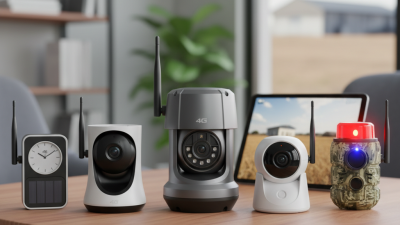
A suitable camera should combine stable cellular coverage, efficient data use, clear night vision, local storage, and dependable battery performance. Check whether the device supports your carrier’s bands. A camera with excellent specifications may still fail inside a metal warehouse or behind thick concrete. Small details matter. A removable battery can reduce maintenance trips. H.265 compression can lower monthly data consumption. Weather protection should be tested, not merely advertised.

Security deserves equal attention. Bruce Schneier, a respected security technologist, said, “Security is a process, not a product.” That principle applies directly to every 4G Security Camera. Review firmware updates, password controls, encryption, cloud retention, and account permissions before purchase. No checklist is perfect. A camera can record beautifully and still create unnecessary privacy risks if configured carelessly.

This guide compares the practical choices behind reliable 4G surveillance, helping you balance coverage, power, image quality, operating cost, and long-term trust.
How to Choose the Best 4G Security Camera?

What Is a 4G Security Camera and How Does It Work?

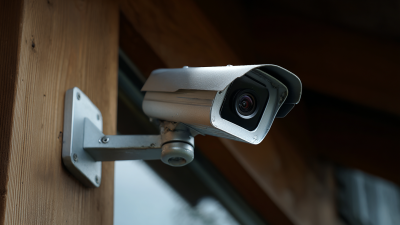
A 4G security camera is an internet-connected camera with an LTE modem and a SIM card. It sends video through a cellular network instead of home broadband. This makes it useful for farms, construction sites, storage yards, and remote entrances. No router is required. Power still matters, so installation may need a battery, solar panel, or stable outdoor supply.

The camera captures images, compresses them, and uploads clips to cloud storage or a local memory card. Many models also support two-way audio, motion alerts, night vision, and remote live viewing.

According to GSMA’s State of Mobile Internet Connectivity 2023, 4.6 billion people used mobile internet by the end of 2022.

That figure shows the scale of cellular access, but coverage remains location-dependent. A strong phone signal does not always guarantee reliable video transmission.

Check upload performance, data usage, storage fees, and network compatibility before choosing one. A camera sending high-resolution footage can consume substantial data. Lower frame rates may help, although image detail suffers.

Security also deserves attention. Look for encrypted connections, strong account controls, and regular firmware updates.

I would not trust a camera based only on signal bars. Test it at the exact mounting point, during poor weather and busy network hours. Small oversights become expensive later.
Which Surveillance Needs Are Best Suited to 4G Connectivity?

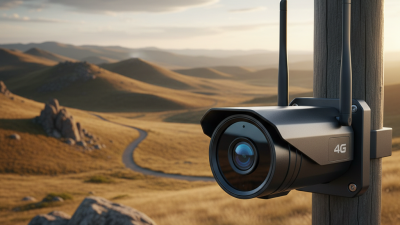
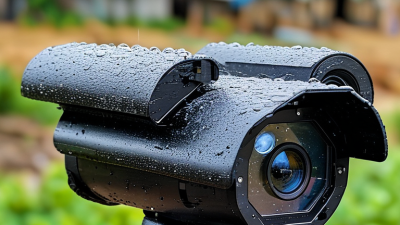
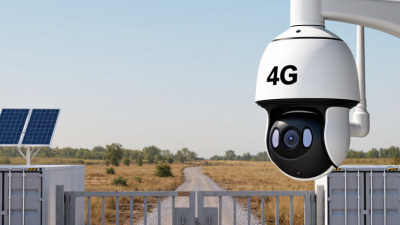
The best 4G security cameras serve locations where wired internet is unavailable, temporary, or expensive to install. Construction sites, farms, remote storage yards, and vacant properties often fit this need. They may have power, but no network cable. A 4G connection can deliver live viewing, motion alerts, and remote maintenance without waiting for fixed infrastructure.

The numbers support this use case. GSMA Intelligence reported that 4G represented about 59% of global mobile connections in 2023, showing its broad network availability.

The International Telecommunication Union also reported that 2.6 billion people remained offline in 2023, with rural areas facing deeper access gaps.

For surveillance, that gap can mean a dark screen when an incident occurs. A 4G camera is useful there, but only after checking signal strength, monthly data limits, and power stability.

Field conditions matter more than product specifications. A camera watching a farm entrance may need infrared vision, weather protection, and local recording during outages. A temporary worksite may need fast installation and frequent relocation. Streaming continuously can consume substantial data, especially at high resolution. That is easy to underestimate. Battery performance also changes in cold weather, and a weak signal may increase power use. Some choices will be imperfect; a lower-resolution camera with reliable transmission can outperform a sharper camera that frequently disconnects.

How to Compare Video Quality, Coverage, and Night Vision

Choosing the best 4G security camera starts with comparing real video performance, not impressive specifications. A higher resolution can reveal facial details, but only when the lens, image sensor, and connection support it. Check sample footage recorded outdoors, preferably during movement and changing weather. I once overvalued resolution and missed the importance of bitrate. The image looked sharp, yet moving subjects became blocky.

Coverage depends on viewing angle, mounting height, and digital zoom. A wide lens can monitor a driveway, but distant details may appear small. Measure the area before choosing a camera. Then check whether the camera supports adjustable zones or motion detection. Test it at dusk. That matters. Strong 4G reception also affects live viewing and cloud uploads, especially in rural locations. A camera with unstable service may record locally, but remote access can still fail.

Night vision deserves a careful comparison. Infrared illumination should show faces without creating a bright, washed-out center. Ask whether the camera uses black-and-white infrared or color footage under low light. Compare images at ten and twenty meters, because performance often drops sharply with distance. Reflective walls, rain, and insects can confuse detection systems. In my experience, mounting position matters more than expected. A slight downward angle can reduce glare and improve usable detail. No camera performs perfectly, so review independent tests and consider how you will actually inspect footage after an incident.

Which Power Options and Storage Methods Should You Choose?

Choosing a 4G security camera starts with power and storage, not image resolution. GSMA Intelligence’s The Mobile Economy 2024 reports that 4G represented about 60% of global mobile connections in 2023. This supports 4G cameras in areas without fixed broadband. However, mobile data traffic keeps rising. Ericsson’s November 2024 Mobility Report recorded a 21% year-on-year increase from the third quarter of 2023 to the third quarter of 2024.

For a gate or farm shed, a rechargeable battery can simplify installation. Expect more frequent charging in cold weather or during repeated motion alerts. Solar power helps, but panel performance changes with shade, dust, and winter sunlight. A practical setup combines a solar panel with a battery and low-power standby mode. Near a building, wired power with a small backup battery is usually more dependable. It is less elegant, but reliability matters more than appearance.

Storage choices need equal care. A 1080p camera recording at 1 Mbps uses roughly 10.8 GB each day. Two cameras could consume over 21 GB daily. Local memory avoids recurring service fees and can continue during internet outages, but theft or hardware failure remains possible. Cloud storage protects footage off-site, yet it depends on signal quality and subscription costs. A hybrid method is safer: continuous local recording, important alerts uploaded remotely, and automatic overwriting after a defined period. That estimate is imperfect. Night scenes, compression, and motion settings can change storage needs substantially. Use encrypted storage, strong account credentials, and a retention period that matches your actual security needs.

What Security, Installation, and Maintenance Features Matter Most?

Choosing a 4G security camera starts with risk, not resolution. Ask what it must protect: a gate, remote shed, or loading area. Security features should include encryption, multi-factor authentication, signed firmware, and role-based access. Encrypted storage matters when footage leaves the camera. Privacy masking can reduce unnecessary collection. The 2024 Data Breach Investigations Report found human involvement in 68 percent of breaches. That figure makes shared passwords a poor shortcut. Choose unique credentials, audit logs, tamper alerts, and automatic security updates. Check the promised support period. NISTIR 8259A also emphasizes secure configuration, data protection, and software updates throughout a device’s lifecycle.

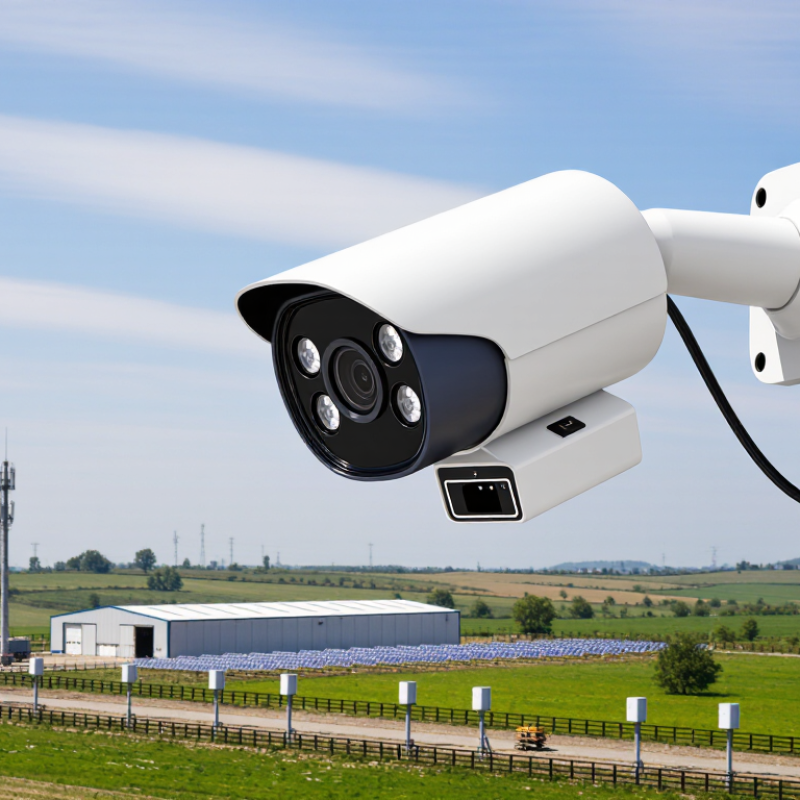
Installation quality often decides whether 4G performs well. Before drilling, test the signal at the exact mounting height and behind the intended wall or roof. Record upload speed, latency, and stability during busy periods. One bar is not a survey. Use weather-rated housing, locked mounting hardware, and suitable antenna clearance. Plan cable loops and drainage; small details can stop water entering a connector. Maintenance needs a calendar, not hope. Review battery health, data consumption, storage capacity, time accuracy, and alarm delivery monthly. Clean the lens and solar panel, if fitted. Test night footage after every firmware update. I would not trust an app’s green status alone. A camera can appear healthy while missing critical events. That uncomfortable possibility deserves a manual check.

How to Choose the Best 4G Security Camera? - What Security, Installation, and Maintenance Features Matter Most?

Evaluation Area Feature or Data Point Recommended Practical Specification Why It Matters Priority
Connectivity 4G/LTE network compatibility Support the LTE bands used by the local mobile network; confirm SIM and carrier compatibility before purchase. A camera can only connect reliably when its supported frequency bands match the coverage available at the installation site. Essential
Connectivity Signal reliability Install where the camera receives a stable 4G signal; use an external antenna connector when the location has weak indoor coverage. Weak cellular reception can cause delayed alerts, interrupted live viewing, and incomplete cloud uploads. Essential
Video Security Video resolution 1080p for general monitoring; higher resolution may be useful for wider scenes or identification at longer distances. Higher resolution provides more image detail, but it also increases storage use and cellular data consumption. Essential
Video Security Night vision Infrared night vision with automatically adjusted illumination; verify the effective range under real site conditions. Night performance is critical for entrances, driveways, construction areas, and other locations monitored after dark. Essential
Video Security Wide dynamic range WDR or equivalent image processing for scenes containing strong backlight, bright windows, or deep shadows. It helps preserve usable details when foreground and background lighting levels differ significantly. Important
Detection Motion detection method PIR detection combined with video-based analysis, with adjustable sensitivity and detection zones. Combining heat-based and image-based detection can reduce false alerts caused by lighting changes, insects, or moving vegetation. Essential
Detection Event filtering Configurable activity zones, human or vehicle filtering, and separate schedules for day and night. Accurate filtering reduces unnecessary notifications and helps control cellular data and battery consumption. Important
Data Security Secure transmission Encrypted communication using current secure transport protocols, protected account access, and unique device credentials. Encryption and strong authentication help protect live video, recorded footage, and device controls from unauthorized access. Essential
Data Security Account protection Two-factor authentication, role-based sharing, session management, and a documented password-reset process. Shared accounts and reused passwords create avoidable security risks, especially when multiple people access the camera. Essential
Storage Recording options Support for local removable storage, secure remote storage, or both; provide event recording and optional continuous recording. Multiple storage methods improve resilience if the camera is damaged, disconnected, or temporarily unable to upload footage. Essential
Storage Data usage control Adjustable video quality, event-only recording, scheduled recording, and clear estimates of monthly cellular data use. Video resolution, frame rate, and recording duration directly affect the amount of mobile data consumed. Essential
Installation Power supply Choose mains power, rechargeable battery, or solar-assisted power according to site access and expected recording activity. Power planning determines uptime. Frequent motion events, cold weather, and weak sunlight can shorten battery operating time. Essential
Installation Weather resistance For exposed outdoor locations, use an enclosure rated at least IP66; confirm the stated operating temperature range. Ingress protection helps resist dust and water jets, while the temperature rating indicates whether the camera suits the local climate. Essential
Installation Mounting flexibility Use a secure mount with adjustable viewing angle, tamper-resistant fasteners, and a position that avoids direct glare. Correct placement improves coverage and reduces the risk of blind spots, glare, vandalism, or accidental obstruction. Essential
Installation Privacy controls Provide privacy masking, audio disablement, and a clearly defined camera field of view that avoids unnecessary neighboring areas. Privacy controls help limit collection of irrelevant footage and support responsible use in residential and commercial environments. Essential
Maintenance Firmware and security updates Use a camera with signed firmware, update notifications, and a documented process for applying security patches. Regular updates can address vulnerabilities, improve stability, and maintain compatibility with mobile applications and network services. Essential
Maintenance Battery and solar maintenance Monitor battery health, clean solar panels periodically, and plan replacement intervals based on temperature and charge cycles. Battery capacity gradually declines, while dust, shade, and seasonal sunlight changes can reduce solar charging performance. Important
Maintenance Lens and enclosure care Inspect the lens, seals, antenna, and mounting hardware at least every three to six months or after severe weather. Dust, condensation, spider webs, loose mounts, and damaged seals can reduce image quality and reliability. Important
Reliability Health monitoring Provide alerts for offline status, low battery, storage errors, weak signal, and abnormal temperature. Early warnings allow maintenance before a camera becomes unavailable during an important incident. Essential
Reliability Failover behavior Use local event buffering or storage so important clips can be retained during temporary cellular or cloud-service interruptions. Temporary network outages should not automatically eliminate evidence of a detected event. Important
Usability Remote management Support remote live view, playback, configuration, user management, and diagnostic information through a secured interface. Remote administration reduces site visits and makes it easier to respond quickly to alerts or configuration problems. Important

Selection note: Actual performance depends on local LTE coverage, antenna placement, weather, recording settings, power availability, and the camera’s installation environment.