Leave Your Message
Phone
E-mail
Whatsapp
Whatsapp

Choosing a reliable 4g Security Camera can be difficult for buyers managing farms, warehouses, construction sites, or remote homes. Wi-Fi may be unavailable where protection matters most. A cellular camera can transmit video through a mobile network, even beside a muddy field or a temporary jobsite. However, performance depends on signal strength, carrier coverage, temperature, installation height, and power access.
This guide reviews ten leading models for global buyers. It considers image clarity, night vision, motion detection, storage options, battery life, solar support, and weather resistance. It also examines practical details that product pages often overlook. Can the camera reconnect after a network interruption? Does the application provide clear alerts? Is the data plan flexible across regions? These questions matter during real installation, not only during a showroom demonstration.
No single camera fits every location. A model with strong zoom may consume more power. A compact unit may install easily but provide limited storage. Even impressive specifications can disappoint under trees, heavy rain, or weak cellular coverage. That is worth remembering. The rankings therefore balance technical evidence with everyday usability, maintenance needs, and manufacturer support. They also encourage buyers to verify local network compatibility and privacy requirements before purchase. Results can vary. Careful testing remains essential.
Whether you need monitoring for livestock, equipment, deliveries, or an isolated entrance, this comparison aims to reduce guesswork. The goal is not to promote the most expensive option. It is to identify dependable choices for different environments, budgets, and operating conditions worldwide.
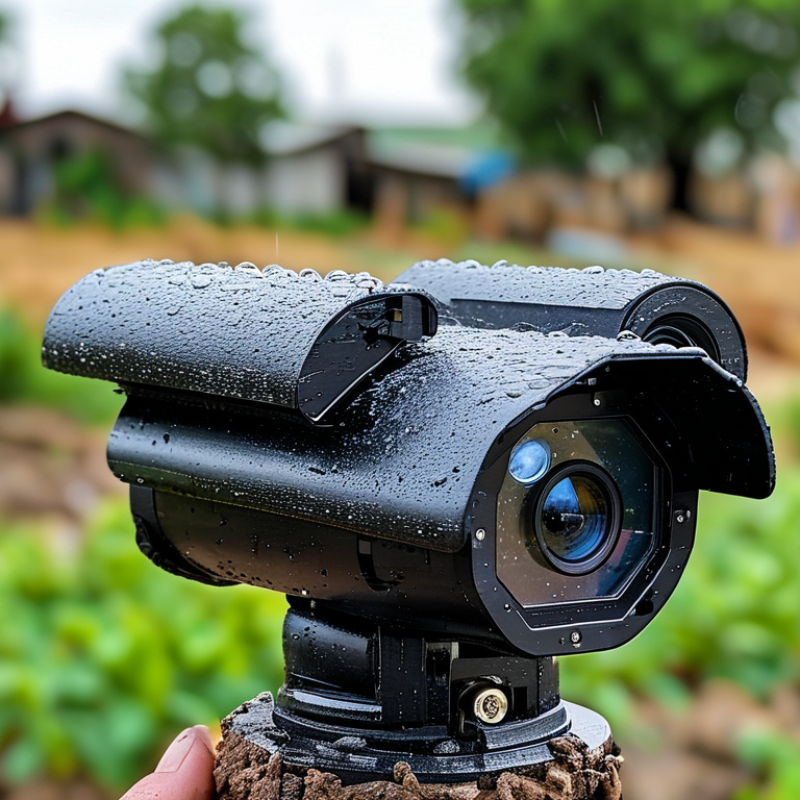
A 4G security camera is a surveillance device that connects to a mobile network instead of fixed broadband. It uses a SIM card and cellular data to send video, alerts, and system updates. This makes it useful for farms, construction sites, remote storage areas, and temporary properties.
The camera captures footage through an image sensor, then compresses it before transmission. Many models use motion detection or infrared sensors to reduce unnecessary data use. When movement appears, the camera may send a phone notification, upload a short clip, or store footage on a memory card. Some units also support two-way audio, GPS, solar charging, and night vision.
Signal quality matters greatly. A camera can have excellent hardware but still perform poorly in a weak coverage area. Buyers should check supported 4G bands, SIM compatibility, roaming limits, and local data costs. Video quality also depends on upload speed, weather, lighting, and network congestion. Higher resolution is not always better. It can consume data quickly.
Installation experience reveals a few practical problems. Metal walls, thick trees, and low mounting positions may weaken the signal. Battery life can also fall sharply during cold nights or frequent live viewing. These details are easy to overlook. A reliable setup needs careful testing at the exact installation point, not only a coverage check on a map.
4G security cameras use a SIM card and a cellular data connection to transmit video without relying on fixed broadband or Wi-Fi. The specifications below represent common, commercially available configurations and practical use cases; actual performance depends on the cellular network, data plan, weather, installation site, and local regulations.
| Rank | Camera Profile | Best Application | Typical Resolution | Cellular Connectivity | Power Configuration | Night Vision | Weather Rating | Storage Options | Key 4G Advantage |
|---|---|---|---|---|---|---|---|---|---|
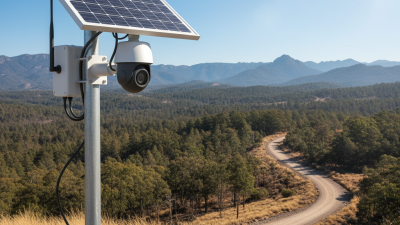
| 1 | Solar PTZ Outdoor Camera | Remote farms, construction sites, and large outdoor areas | 2K to 4MP | 4G LTE; SIM required | Solar panel + rechargeable battery | IR, typically 20–30 m | Usually IP66 or IP67 | microSD, cloud, or NVR | Pan, tilt, and optical or digital zoom can cover a wide site where broadband is unavailable. |
| 2 | Battery-Powered Wire-Free Camera | Temporary sites, rental properties, and locations without mains power | 1080p to 2K | 4G LTE; SIM required | Rechargeable battery | IR, typically 10–20 m | Usually IP65 or IP66 | microSD and cloud | Fast installation and low cabling requirements; battery life varies with motion events, temperature, and live viewing. |
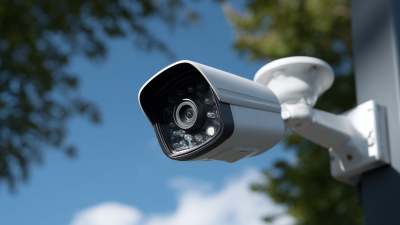
| 3 | Fixed Bullet Camera | Perimeter monitoring, entrances, and agricultural boundaries | 1080p to 4MP | 4G LTE; SIM required | 12 V DC or solar power | IR, typically 20–40 m | Usually IP66 or IP67 | microSD, cloud, or NVR | A fixed viewing angle provides consistent coverage and generally requires less power than a motorized camera. |
| 4 | 4G Dome Camera | Retail entrances, workshops, offices, and covered outdoor areas | 1080p to 4MP | 4G LTE; SIM required | Mains power or PoE-compatible DC setup | IR, typically 15–30 m | IP66 on outdoor models | microSD, cloud, or NVR | The compact housing can provide discreet installation and resistance to tampering when mounted correctly. |
| 5 | Dual-Lens Panoramic Camera | Wide yards, loading zones, and property entrances | Two 1080p or 2K views | 4G LTE; SIM required | Mains, battery, or solar power | IR, typically 15–25 m | Usually IP65 or IP66 | microSD and cloud | Two lenses can reduce blind spots, although the additional video streams may increase data and storage consumption. |
| 6 | Low-Light Color Camera | Security-sensitive areas requiring color detail after dark | 2MP to 4MP | 4G LTE; SIM required | Mains or solar power | White light, IR, or hybrid illumination | Usually IP66 | microSD, cloud, or NVR | Color imaging can improve identification of clothing or vehicles, but it may require additional lighting and power. |
| 7 | License-Plate Monitoring Camera | Gates, private roads, parking areas, and vehicle checkpoints | 2MP to 4MP | 4G LTE; SIM required | Mains or solar power | IR with exposure control | Usually IP66 | microSD, cloud, or NVR | A narrow field of view and appropriate shutter settings can improve plate capture; results depend heavily on speed, distance, and lighting. |
| 8 | Thermal-Assisted Outdoor Camera | Critical perimeters, remote facilities, and low-visibility conditions | Visible 1080p plus thermal sensor | 4G LTE; SIM required | Mains or high-capacity solar system | Thermal detection plus IR or visible light | Usually IP66 or IP67 | microSD, cloud, or NVR | Thermal imaging can detect heat signatures in darkness or haze, but it does not provide the same visual detail as a standard image sensor. |
| 9 | Compact Indoor 4G Camera | Remote rooms, temporary offices, and indoor equipment areas | 1080p to 2K | 4G LTE; SIM required | USB or mains power | IR, typically 5–10 m | Not normally weather-rated | microSD and cloud | Provides cellular access in indoor locations where wired internet is unavailable or unsuitable. |
| 10 | Industrial 4G Camera with Alarm I/O | Remote cabinets, utility assets, warehouses, and infrastructure sites | 1080p to 4MP | 4G LTE; SIM required | 12 V DC, mains, or solar power | IR, typically 20–40 m | Usually IP66 or IP67 | microSD, cloud, or NVR | Digital inputs and outputs can connect the camera to sensors, alarms, or external warning devices for remote event response. |
How 4G security cameras work: The camera captures video through an image sensor, compresses the footage, and sends it through a 4G LTE network using an installed SIM card. Users typically access live view, alerts, and recorded footage through a mobile application or web platform. Local microSD recording may continue during temporary network interruptions, while cloud or NVR storage depends on the camera configuration and available bandwidth.