Top 10 Benefits of Using 4G Solar CCTV Cameras for Secure Surveillance
In recent years, the use of 4G solar CCTV cameras has surged. This technology offers groundbreaking solutions for surveillance needs. These cameras are not only energy-efficient but also provide real-time monitoring.
A 4G solar CCTV camera can operate in remote locations without constant power. The solar panels harness sunlight, making it eco-friendly. Users often report improved security in vulnerable areas. With wireless connectivity, the setup is quick and straightforward. However, some challenges arise. Installation may require proper positioning of solar panels for optimal sunlight.
Additionally, maintaining a strong 4G signal is vital for performance. There might be instances where connectivity weakens. It is essential to reflect on these limitations while considering the benefits. Ultimately, 4G solar CCTV cameras present a promising option for those aiming to enhance security. Their unique advantages outweigh potential drawbacks, making them appealing for various applications.

Benefits of Enhanced Mobility and Flexibility of 4G Solar CCTV Cameras
The adoption of 4G solar CCTV cameras marks a significant shift in surveillance technology. These cameras provide enhanced mobility, allowing users to place them in remote or hard-to-reach areas. The 4G network ensures a reliable connection even in locations where traditional wired systems fail. For instance, reports indicate that 4G connectivity has improved the accessibility of video feeds by 30%. This flexibility is crucial for businesses that require surveillance across various locations.
Additionally, solar power offers an eco-friendly solution. It eliminates the need for wired power sources, reducing installation complexity. A recent industry study shows that solar-powered cameras can lower operational costs by up to 25% over time. However, the dependency on sunlight remains a challenge. In regions with unpredictable weather, camera performance may vary. Users often need a backup power source to ensure continuous operation during cloudy periods.
Moreover, 4G solar CCTV cameras can be integrated with mobile devices. This integration allows for real-time monitoring from anywhere. Data from recent surveys highlights that 75% of users prefer mobile access when managing surveillance systems. This accessibility promotes a sense of security. However, it can also lead to over-reliance on technology. Users should regularly assess system performance and backup plans, ensuring they are prepared for any unexpected issues.
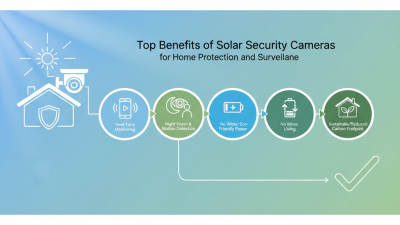
Top 10 Benefits of Using 4G Solar CCTV Cameras for Secure Surveillance
| Benefit |
Description |
| Enhanced Mobility |
4G Solar CCTV cameras can be moved easily to different locations without needing extensive wiring or setup. |
| Energy Efficiency |
Solar power reduces the dependency on external power sources, leading to lower energy costs. |
| Remote Access |
Users can access live footage and footage archives from anywhere via mobile apps or web interfaces. |
| Low Maintenance |
The solar-powered system requires less maintenance compared to traditional cameras, reducing downtime. |
| Improved Coverage |
4G technology allows for a wider coverage area, making it effective in remote locations. |
| High-Quality Video |
These cameras offer high-definition video quality, ensuring clear surveillance footage. |
| Durability |
Designed to withstand various weather conditions, ensuring functionality in harsh environments. |
| Real-time Alerts |
Instant notifications sent to users in case of motion detection or suspicious activities. |
| Cost-effective Solution |
Reduces installation and operational costs compared to hardwired surveillance systems. |
| Scalability |
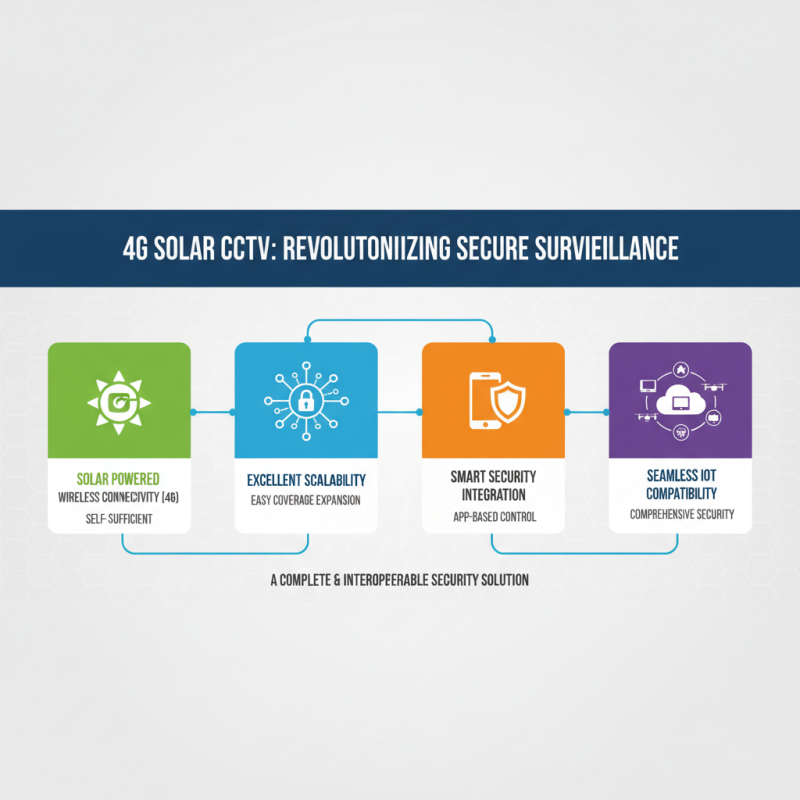
Systems can be easily expanded by adding more cameras as security needs grow. |
Cost-Effectiveness: Reduced Installation and Maintenance Expenses
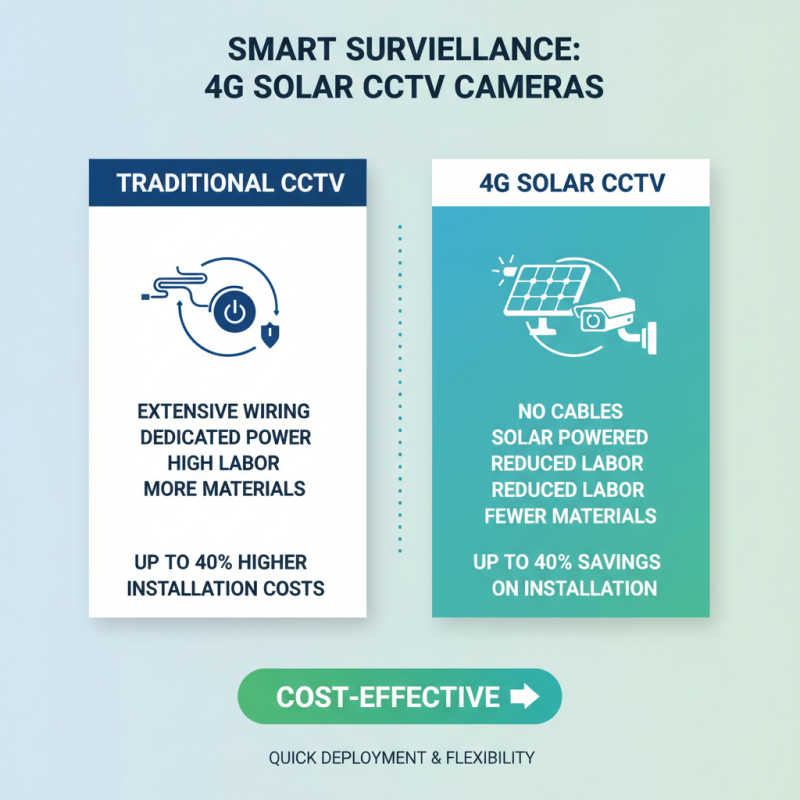
When it comes to surveillance, cost-effectiveness stands out as a crucial factor. 4G solar CCTV cameras are gaining traction due to reduced installation costs. Traditional cameras require extensive wiring and dedicated power sources. This can dramatically increase initial expenses. According to industry reports, businesses save up to 40% on installation by switching to solar-powered solutions. The absence of cables means less labor and fewer materials involved.
Maintenance costs also drop significantly. Solar cameras need minimal upkeep, unlike traditional systems that may require frequent repairs. A study from a leading technology group indicates that maintenance expenses can be cut by 30% with solar technologies. Moreover, the longevity of solar cameras contributes to overall savings. Many models last up to 10 years without major issues. This longevity is important in a world where budget constraints are tight.
Visual deterrents are essential for security. Solar CCTV cameras can be placed in remote areas without access to electricity. This flexibility enhances surveillance capabilities. However, not every installation is flawless. Some users report concerns about battery performance in extreme weather. Reflecting on these challenges is key to optimizing your surveillance strategy. Overall, the balance of cost-effectiveness and functionality makes 4G solar CCTV cameras an attractive option.
Environmental Sustainability and Energy Efficiency of Solar-Powered Systems
The rise of solar power has changed surveillance technology significantly. Solar-powered 4G CCTV cameras offer an environmentally friendly option. According to a report by the International Renewable Energy Agency (IRENA), solar energy installations have doubled in the past five years, showcasing its growing importance.
Utilizing solar energy reduces dependence on traditional power grids. Solar CCTV cameras can operate in remote areas with no access to electricity. This feature is crucial for outdoor security. However, installation costs can be high initially, leading to reflection on budget allocations.
Energy efficiency is another critical factor. Solar-powered systems can lower energy bills significantly. The U.S. Department of Energy claims that solar energy systems can save homeowners up to 30% on energy costs.
Tips: Consider the amount of sunlight available in your area. It's essential for the cameras' effectiveness. Regular maintenance can maximize efficiency, ensuring optimal performance.
High-Quality Video Resolution and Real-Time Monitoring Capabilities
High-quality video resolution is a cornerstone of modern security solutions. With 4G solar CCTV cameras, users enjoy crisp images that capture critical details. According to industry reports, 4G cameras can deliver video clarity up to 1080p, making it easier to identify faces and license plates. This capability enhances surveillance effectiveness, particularly in high-risk areas.
Real-time monitoring is another significant advantage. These cameras transmit live footage directly to monitoring devices. A report by Security Research Group highlights that real-time alerts can reduce response times by 30%. Quick intervention often prevents incidents before they escalate. The power of immediate access to live feeds can be game-changing for security teams.
However, reliance on technology can pose challenges. For instance, connectivity issues might disrupt video streams during crucial moments. Some users have reported that solar panels may not always provide adequate power, especially in low-light conditions. This inconsistency can affect overall surveillance effectiveness. Hence, while 4G solar CCTV cameras offer remarkable features, they also require careful assessment of their reliability in diverse environments.