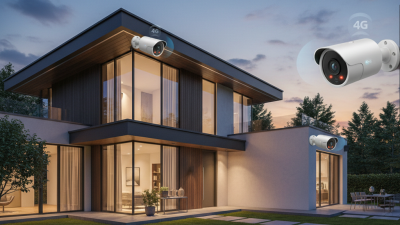
Top 4G Security Cameras for Global Buyers in 2026?
As the demand for reliable surveillance grows, the market for 4G security cameras is expected to surge dramatically in 2026. According to industry analysis from IHS Markit, the global market for security cameras is projected to reach $30 billion by 2026. This growth is fueled by advancements in technology and an increased focus on security solutions across various sectors.
Expert in security technology, Dr. Angela Chen, emphasizes, "4G security cameras enhance real-time monitoring capabilities, providing peace of mind in dynamic environments." These cameras offer high-definition video quality, mobile connectivity, and robust performance in diverse weather conditions. They cater to consumers looking for flexible and efficient security solutions.
Yet, as the market expands, customers face overwhelming options. Not every camera delivers on the promises of connectivity and reliability. Some models struggle with network inconsistencies or subpar image quality. It is crucial for buyers to research thoughtfully. Understanding features and reading reviews can make a significant difference in acquiring the right 4G security camera for specific needs.

Overview of 4G Security Camera Technologies in 2026
In 2026, 4G security cameras are evolving rapidly, integrating advanced technologies. These cameras leverage higher bandwidth and lower latency, facilitating real-time monitoring. Enhanced image quality is notable, with many devices featuring HD resolution and night vision capabilities. Buyers will appreciate the advancements in both motion detection and artificial intelligence. These developments help improve the accuracy of alerts and reduce false alarms.
Regular updates in firmware are crucial. They not only enhance security features but also improve overall functionality. Users should prioritize models that support over-the-air (OTA) updates. This ensures cameras remain secure against potential threats. Battery life is another vital aspect. Buyers need to consider models with efficient power consumption, especially for outdoor installations.
When choosing a camera, focus on compatibility with your existing system. Some cameras work best with specific software or devices. Conducting a thorough research is essential. Read user reviews to gauge real-world performance. Not every feature may work as advertised. Understanding the nuances will lead to a more informed decision.
Top 4G Security Cameras Performance Comparison in 2026
Market Trends: Growth of 4G Security Camera Adoption Worldwide
The global market for 4G security cameras has been on a significant upward trajectory. As of 2023, industry reports indicated a growth rate of approximately 15% annually. Numerous buyers are increasingly drawn to the convenience and reliability offered by these cameras. They provide high-definition video feeds, enabling efficient surveillance in remote areas without the need for wired connections.
By 2026, forecasts suggest that the adoption of 4G security cameras could exceed 50% of the global market share for surveillance devices. This surge can be attributed to advancements in mobile connectivity and enhanced image quality. However, it is essential to note that while this trend indicates progress, not all consumers are fully informed about potential limitations. Some users may overlook the need for proper network infrastructure, which is crucial for optimal camera performance.
The demand for 4G security cameras is driven by various sectors, including retail and public safety. However, there is a need for ongoing education among consumers. Many buyers are unaware of the implications of poor signal strength on video quality. Reflecting on these challenges can help manufacturers develop better solutions. As the market continues to evolve, understanding user experiences will be vital for future innovations.
Key Features of Leading 4G Security Camera Brands in 2026
As we look towards 2026, the demand for 4G security cameras globally continues to rise. Industry reports indicate that the global market for 4G security cameras is expected to grow at a CAGR of over 20%. This growth is fueled by the need for enhanced surveillance solutions in both residential and commercial sectors.
Leading brands in this space emphasize key features that appeal to buyers. High-resolution video capabilities are now a standard expectation. Many cameras offer 1080p or even 4K resolution. Low-light performance is another critical aspect, with advancements allowing for clearer images in darker environments. Moreover, mobile connectivity is essential. Users can access live feeds remotely through dedicated apps, ensuring constant security monitoring.
However, there are challenges. Not all cameras provide robust data encryption, leading to potential security vulnerabilities. Users may find it difficult to navigate complex installation processes. Additionally, battery life remains a concern for 4G models. Some devices struggle to maintain adequate power during prolonged use. Addressing these issues will be crucial as the market evolves.
Cost Analysis: Price Range and ROI for Global Buyers
When considering 4G security cameras, a thorough cost analysis is essential for buyers. Prices vary widely based on features and quality. For a basic model, expect to spend around $150 to $300. Mid-range options can cost between $300 and $600, while top-tier cameras come in at $600 and above. Each price tier provides different functionalities.
Return on investment (ROI) analysis should include not just the price, but ongoing costs. Maintenance, data storage, and subscription fees can add up. Reflect on how many hours of security coverage you need. The right balance could lead to savings over time.
**Tip:** Always compare specifications before purchasing. Not all cameras provide the features claimed. Consider what matters most to you: resolution, battery life, or motion detection.
The experience of using 4G cameras can vary significantly. Some users report poor connectivity in remote areas. Research local network availability before deciding. Understanding your environment is crucial for making a wise choice.
**Tip:** Invest in a model with a solid warranty. Equipment issues can arise, and a good warranty will save future costs.
Future Innovations: Upcoming Trends in 4G Security Camera Systems
The 4G security camera market is poised for significant transformation by 2026. Industry analysts predict a compound annual growth rate (CAGR) of 25% in this segment. Consumers are increasingly seeking solutions that offer seamless connectivity and high-definition video quality. This growing demand is pushing innovations in smart technology integration.
One emerging trend is the use of artificial intelligence (AI) within these systems. AI can enhance the capability of cameras to detect motion and recognize faces. However, the implementation of AI raises questions about privacy and security. Users must carefully consider how data is collected and stored. According to a recent report, over 60% of buyers express concerns regarding data privacy, highlighting the need for transparent policies.
Sustainability is another important trend. More manufacturers are focusing on energy-efficient designs and recyclable materials. This change responds to the rising consumer consciousness about environmental impact. Yet, the challenge remains: Will the industry manage to balance innovation with ecological responsibility? Industry experts emphasize the importance of addressing both consumer needs and environmental concerns.