Top 10 Best 4G Security Cameras for Ultimate Home Protection
In today's world, ensuring the safety and security of our homes has become a top priority for many homeowners. With the advancement of technology, 4G security cameras have emerged as a powerful tool in the fight against intrusions and criminal activities. These cutting-edge devices not only provide real-time surveillance capabilities but also operate efficiently without the need for a wired internet connection, making them ideal for locations where traditional systems may fall short.
As we delve into the top 10 best 4G security cameras, we will explore their unique features, functionalities, and benefits that contribute to ultimate home protection. From high-definition video quality to night vision capabilities and remote access via smartphones, these cameras offer a comprehensive solution for monitoring your property, ensuring that you can keep an eye on what matters most, no matter where you are.
Investing in a 4G security camera not only enhances your peace of mind but also acts as a strong deterrent against potential threats. Join us as we uncover the best options available in the market today, providing you with insights to make an informed decision for safeguarding your home and loved ones.
Understanding the Importance of 4G Security Cameras for Home Protection
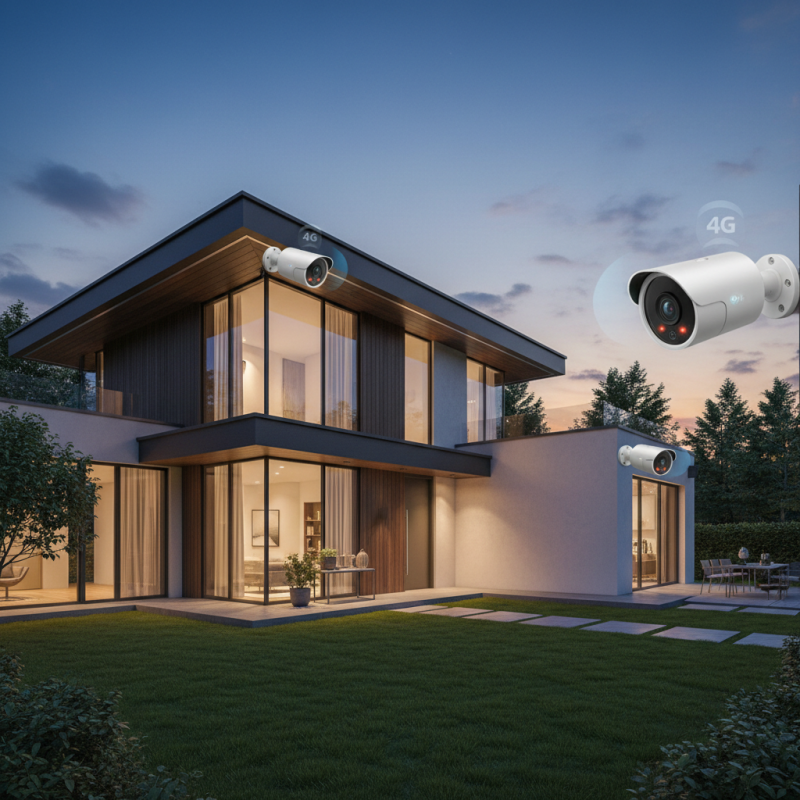
In today's fast-paced world, the necessity for reliable home security has become paramount. With the rise of smart home technology, 4G security cameras have emerged as essential tools for ensuring comprehensive home protection. These cameras operate independently of Wi-Fi, utilizing cellular networks to transmit live feeds and alerts, thereby offering homeowners peace of mind, especially during outages or in remote locations. According to a study by the Security Industry Association in 2022, over 60% of homeowners expressed a growing concern for security, leading to a significant increase in demand for 4G-enabled devices.
The importance of 4G security cameras extends beyond mere surveillance; they play a critical role in crime prevention and response. The National Crime Prevention Council reports that homes with visible security systems are approximately 300% less likely to be broken into compared to those without. This statistic underscores that an active security presence can dissuade potential intruders. Moreover, the integration of 4G technology allows for real-time alerts and remote monitoring via smartphones, empowering homeowners to take immediate action if an anomaly is detected. As technology advances, investing in 4G security cameras has become a proactive step in safeguarding one’s home environment.
Key Features to Look for in 4G Security Cameras
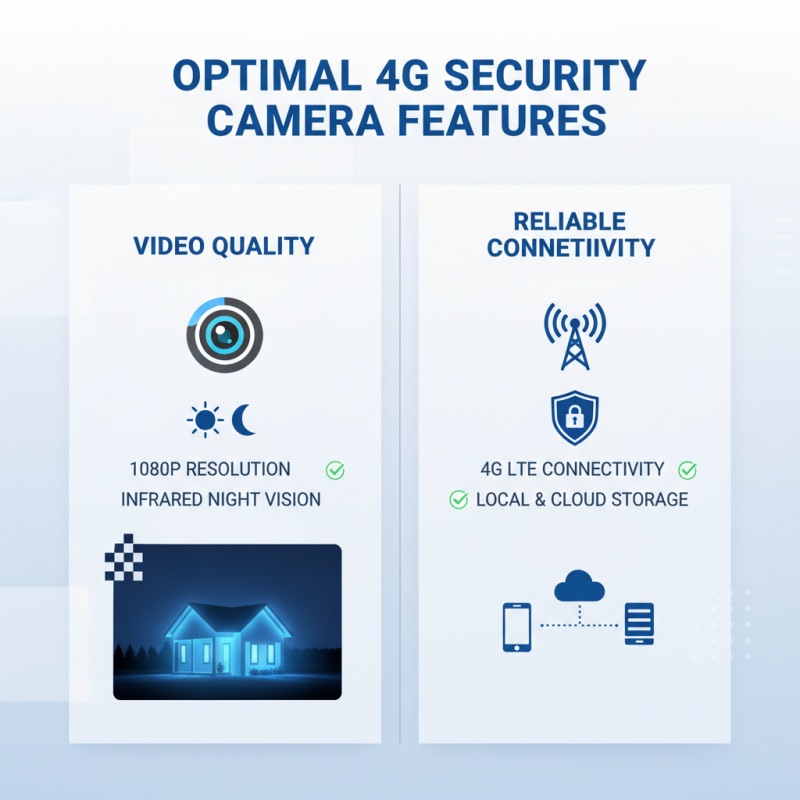
When selecting a 4G security camera, several key features should be prioritized to ensure optimal home protection. Firstly, video quality is paramount; look for cameras that offer at least 1080p resolution for clear images during both daytime and nighttime. Enhanced low-light performance, such as infrared capabilities, can significantly improve visibility in dark conditions, making it easier to monitor your property around the clock.
Another essential aspect is connectivity options. Since these cameras operate on 4G networks, it’s crucial to ensure they have reliable cell signal reception. Models that offer dual connectivity (4G and Wi-Fi) can provide additional flexibility, allowing the camera to switch between networks seamlessly for uninterrupted service. Additionally, consider cameras with motion detection and alert features; these can send real-time notifications to your smartphone when unusual activity is detected, offering immediate awareness and response capabilities.
Lastly, storage solutions are an important feature to evaluate. Look for cameras that support cloud storage options as well as local storage via SD cards. This will not only protect your footage from being lost or tampered with but also give you the ability to easily access recorded videos when necessary. The combination of high video quality, reliable connectivity, effective motion detection, and versatile storage will ensure you choose the best 4G security camera for comprehensive home protection.
Top 10 4G Security Cameras: A Comprehensive Comparison
When it comes to home security, 4G security cameras have emerged as a vital tool for ensuring safety and peace of mind. According to a recent report by MarketsandMarkets, the global home security camera market is expected to reach $13.7 billion by 2026, growing at a compound annual growth rate (CAGR) of 15.4%. This increase is largely driven by advancements in technology and the increasing consumer demand for real-time monitoring capabilities.
In a comprehensive comparison of the top 10 4G security cameras, several key features stand out that consumers should consider. Key specifications include high-definition video quality, night vision capabilities, and cloud storage options. A study by Statista shows that homeowners are increasingly prioritizing features like remote access and mobile alerts, as nearly 56% of users report feeling more secure with a dedicated camera system in place. Furthermore, the ability for these cameras to operate independently without a Wi-Fi connection offers unmatched convenience, especially in areas where internet access may be unreliable.
Additionally, the integration of artificial intelligence in the latest 4G security cameras enables advanced motion detection and facial recognition, which enhances their effectiveness. Industry experts highlight that these features not only increase the chances of deterring potential intruders but also provide crucial evidence should an incident occur. As homeowners become more informed about their options, the demand for high-quality, 4G-enabled security solutions is likely to continue growing, ensuring ultimate protection for families and properties alike.
Top 10 Best 4G Security Cameras for Ultimate Home Protection
| Camera Model |
Resolution |
Field of View (FOV) |
Night Vision |
Battery Life |
Price (Approx.) |
| Model A |
1080p |
120° |
Yes |
12 hours |
$150 |
| Model B |
4MP |
135° |
Yes |
10 hours |
$200 |
| Model C |
720p |
90° |
No |
8 hours |
$100 |
| Model D |
1080p |
100° |
Yes |
15 hours |
$180 |
| Model E |
2MP |
110° |
Yes |
9 hours |
$120 |
| Model F |
1080p |
125° |
Yes |
14 hours |
$175 |
| Model G |
4MP |
130° |
Yes |
11 hours |
$210 |
| Model H |
720p |
95° |
No |
7 hours |
$90 |
| Model I |
1080p |
115° |
Yes |
13 hours |
$160 |
| Model J |
2MP |
100° |
Yes |
10 hours |
$130 |
Installation and Setup Process for 4G Security Cameras
When it comes to enhancing the security of your home with 4G security cameras, the installation and setup process is crucial for ensuring optimal performance.
First, it’s essential to choose the right location for your cameras. Select areas with a clear view of entrances, driveways, and other vulnerable points. Ensure these locations have adequate cellular signal strength for seamless operation.
Once the camera's position is determined, mount the device securely, using appropriate tools and hardware to withstand weather conditions and potential tampering.
After physical installation, the next step involves setting up the camera. Most 4G security cameras come with user-friendly mobile applications that facilitate the setup process.
Begin by powering on the camera and connecting it to your mobile device via Bluetooth or Wi-Fi, following the instructions provided in the user manual.
Once connected, configure the camera's settings such as resolution, motion detection, and alert preferences to meet your specific security needs.
Finally, test the camera to ensure it’s functioning correctly and that notifications are being sent as expected.
This setup will not only provide comprehensive surveillance but also offer peace of mind knowing your home is equipped with reliable, wireless security technology.
Maintaining and Troubleshooting Your 4G Security Camera System
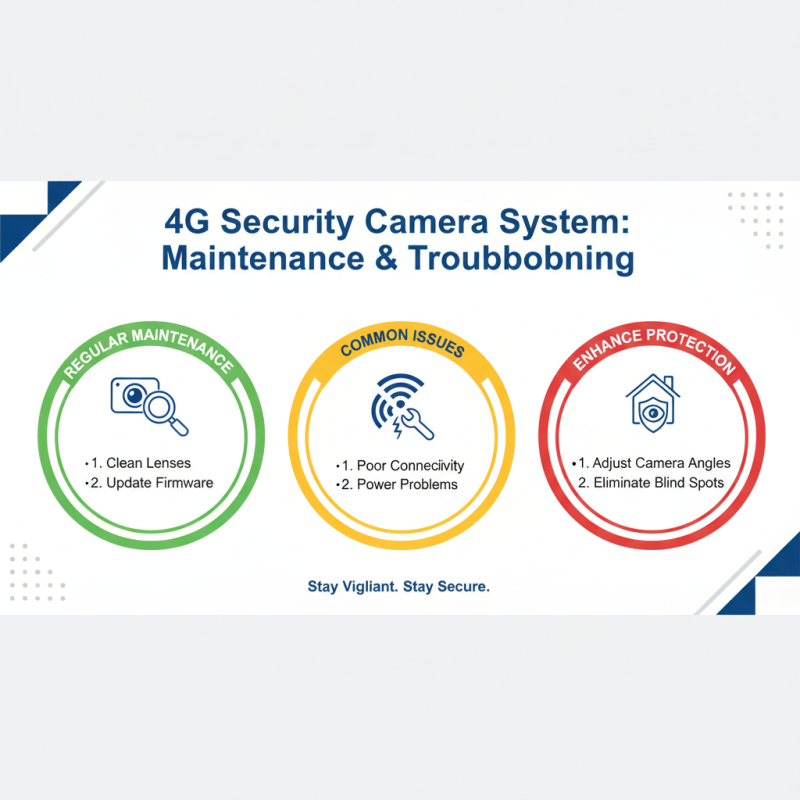
When it comes to maintaining and troubleshooting your 4G security camera system, understanding the common issues that may arise can significantly enhance your home protection strategy. Regular maintenance is essential to ensure that all components function optimally. Start by checking the camera lenses for dirt or obstruction, as a clear view is crucial for capturing quality footage. Furthermore, ensure that the firmware of your cameras is up to date, as manufacturers often release updates to improve functionality and security. Regularly reviewing and adjusting the camera angles and settings can also help in covering blind spots that could compromise your home security.
In the event of issues such as connectivity problems or poor video quality, it’s important to systematically troubleshoot. First, verify the 4G signal strength in the area where the cameras are installed. Weak signals can degrade performance; consider repositioning your cameras or installing signal boosters if necessary. If you experience persistent video feed interruptions, inspect the power supply and connections for any faults. Additionally, consult the user manual for specific troubleshooting steps related to your camera model, as many models have built-in diagnostic tools to assist in identifying and resolving problems. By maintaining vigilance and addressing minor issues proactively, you can ensure the continued effectiveness of your 4G security camera system.