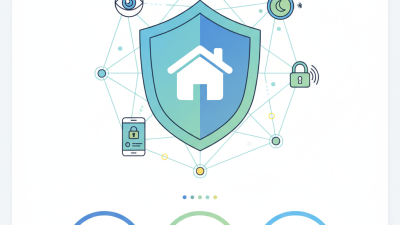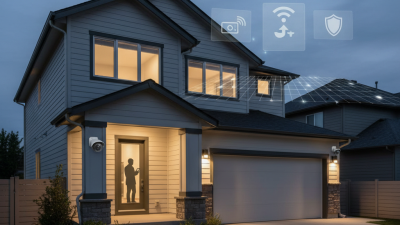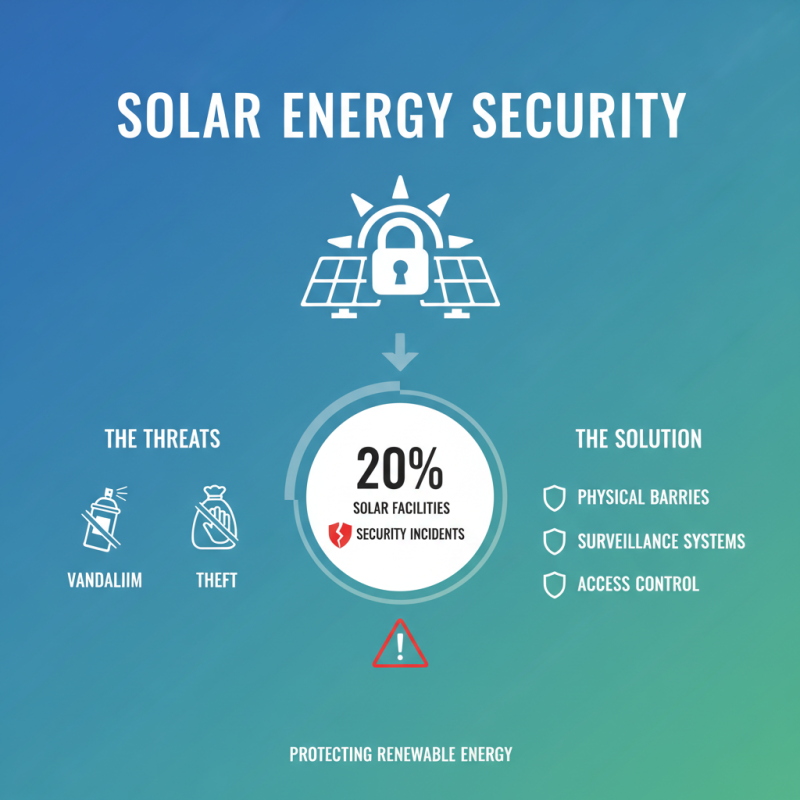
As solar energy gains prominence, Solar Security becomes increasingly vital. Protecting solar installations from theft and vandalism is essential. The rising number of solar farms highlights the need for robust security measures.
Many site owners may overlook certain vulnerabilities. Ignoring basic security protocols can create opportunities for intrusion. It's crucial to address these gaps to safeguard investments.
A proactive approach to Solar Security can make a significant difference. Implementing effective strategies enhances not only safety but also peace of mind. Exploring innovative security solutions can lead to better outcomes in the long run. Understanding the unique challenges in this sector is key.
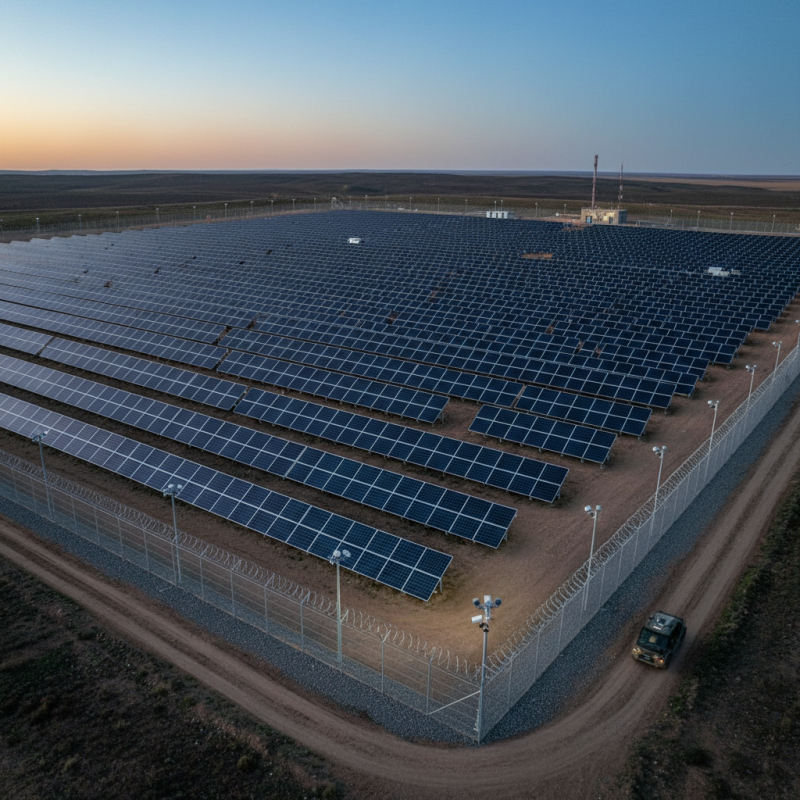
Solar security is vital in the renewable energy landscape. As the industry expands, the risks to solar installations increase. Theft, vandalism, and cyberattacks can disrupt operations. Protecting these investments is essential for a sustainable future.
One way to enhance security is to conduct regular risk assessments. Identify vulnerable points in your solar setup. Physical access and data security are key areas. Surveillance systems can deter attacks. Bright lights can illuminate areas at night.
Educating employees about security protocols is another tip. Empower them to recognize suspicious activities. Everyone must play a part in maintaining security. Finally, consider community engagement. Work with local authorities to improve security networks. Trust and teamwork can enhance overall resilience against threats.
When considering solar energy systems, identifying common threats is crucial.
Vandalism is a primary concern.
Graffiti or physical damage can disrupt operations and increase costs.
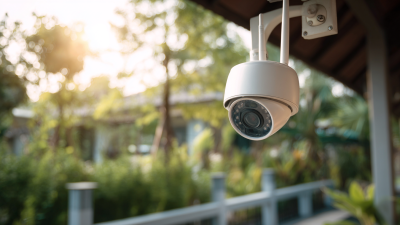
Simple barriers or surveillance cameras may deter such behavior.
However, these methods are not foolproof.
Intruders can still find ways to compromise security.
Natural threats pose significant risks too.
Severe weather can damage panels and infrastructure.
Regular maintenance and inspections are necessary but often overlooked.
This negligence can lead to larger issues, costing time and resources.
It's vital to develop a response plan for unforeseen events.
Cyber threats are also rising.
Hackers can disrupt energy production through network vulnerabilities.
Many solar systems now rely on smart technology, which amplifies this risk.
Regular software updates and security assessments are essential but sometimes ignored, creating potential exposure.
Awareness and proactive measures can help bolster solar security efforts.
Solar installations are critical for renewable energy. However, they often face security threats, including vandalism and theft. According to industry reports, nearly 20% of solar facilities experience security incidents. This highlights the necessity for robust physical security measures.
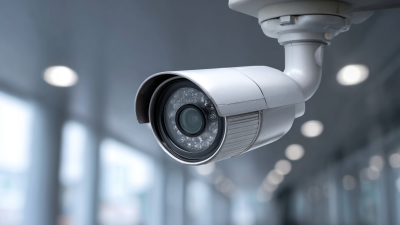
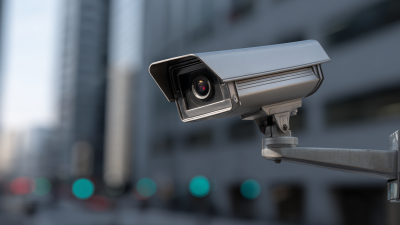
Implementing fencing around solar sites serves as a strong physical barrier. It deters unauthorized access. Installing surveillance cameras can enhance monitoring capabilities. A report indicates that surveillance can reduce security incidents by up to 30%. This is a vital step to protect solar assets.
Proper lighting is essential. It discourages intruders and enhances safety during nighttime operations. Regular maintenance checks are crucial. They ensure that gates, alarms, and cameras function properly. Without these checks, systems may fail when needed most. Enhance your solar security by evaluating these measures regularly. Securing solar installations is an ongoing process. By focusing on these physical measures, facilities can significantly reduce vulnerabilities.
In today's world, leveraging technology is critical for enhancing solar security efforts.
Advanced monitoring systems can provide real-time alerts for any suspicious activities at solar installations.
Drones equipped with high-resolution cameras can survey vast areas quickly and efficiently.
They capture detailed images that traditional methods might miss.
Integrating these systems improves overall surveillance while reducing response times.
Smart sensors play a crucial role as well. These devices can detect motion and send immediate notifications.
They are often installed at key points around solar farms.
However, the challenge lies in ensuring they are well-maintained. A malfunctioning sensor can leave a site vulnerable.
Regular testing and updates are essential to ensuring optimal performance.
Video analytics is another technology that deserves attention.
It can analyze footage and distinguish between animals and humans.
This feature minimizes false alarms, allowing security teams to focus on real threats.
Still, there are limitations. The initial setup can be complex.
Misconfigurations might lead to missed incidents. Continuous training for staff can help mitigate these issues while making the system more effective.
Establishing emergency response plans is crucial for managing solar security incidents effectively. Every solar facility should have a detailed response guide. This guide must address potential threats, from severe weather to unauthorized access.
Regular training sessions are essential. These should not just focus on procedures but also on fostering a culture of vigilance. Staff should know how to identify suspicious behavior. However, even well-trained teams can miss crucial signs if they lack clear communication channels.
Drills are invaluable. Conduct simulations to test response times and coordination. It's an opportunity to spot flaws in your plans. After each drill, gather feedback from participants. This can highlight areas of improvement. It's essential to remember that even the best plans might fail. Continuous refinement is necessary to adapt to new challenges.