How to Choose the Best Solar Powered CCTV System?
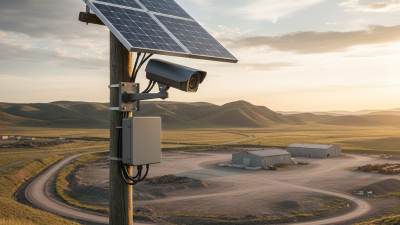
In recent years, the demand for "CCTV With Solar" systems has surged. As the world shifts towards sustainable energy, solar-powered surveillance is becoming a popular choice. Richard Wallace, a leading expert in the field, states, “The best solar CCTV systems can provide reliable security without depending on grid power.”
Choosing the right solar-powered CCTV system can be challenging. You need to consider various factors, including battery life, camera quality, and installation ease. Many users often overlook these essentials. Not every system suits every environment. Depending on your location, sunlight availability can significantly impact performance.
Moreover, budgeting is crucial. Higher-priced models often boast advanced features, but not everyone needs them. It's essential to find a balance. Embracing this technology requires careful thought and reflection. Best choices come from understanding your unique needs and the limitations of each system.
Understanding Solar Powered CCTV Systems and Their Benefits
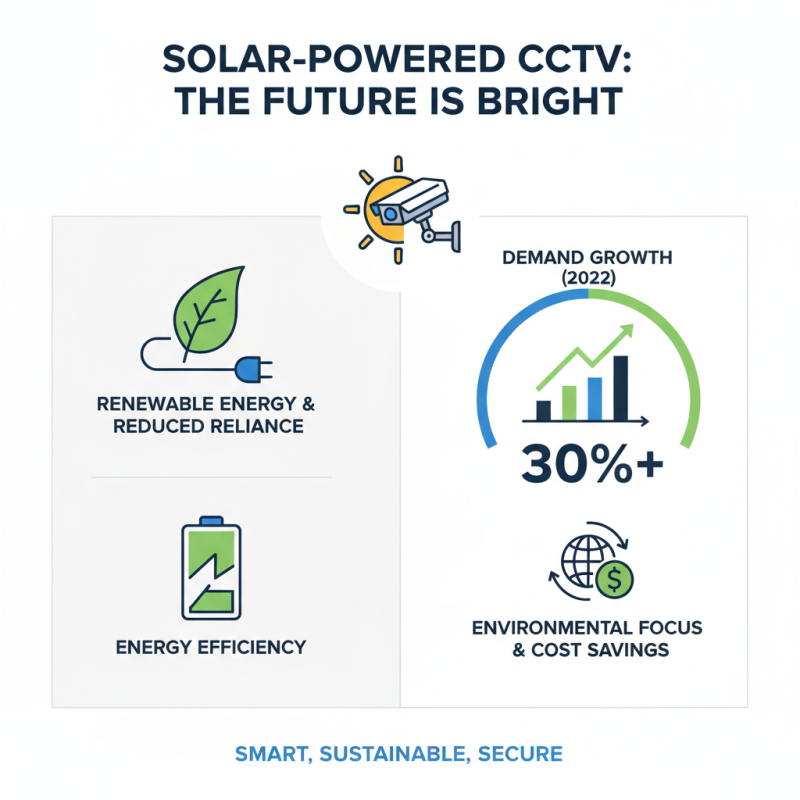
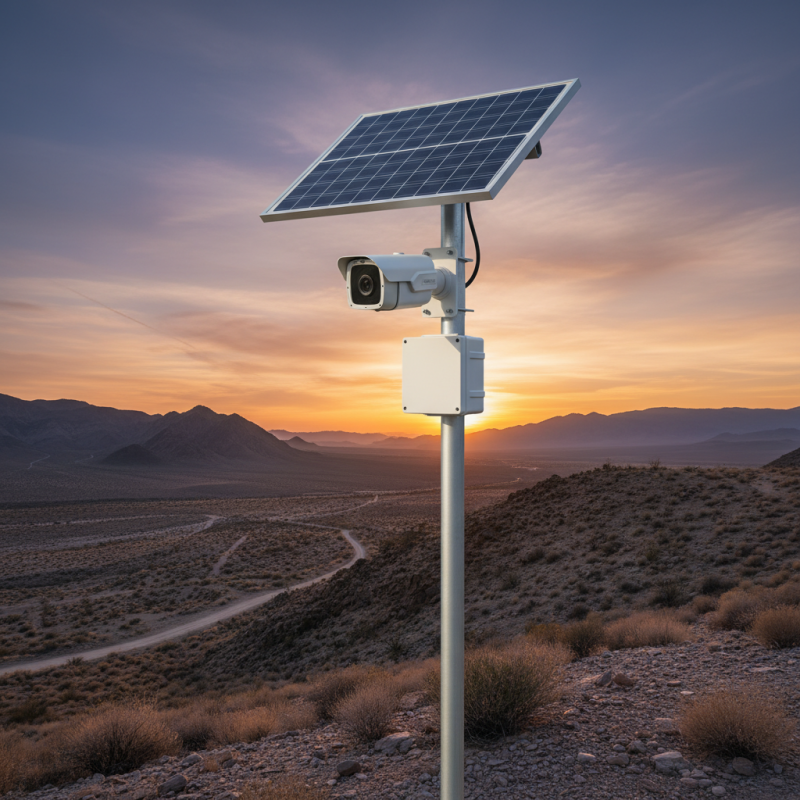
Solar powered CCTV systems are increasingly popular, offering numerous advantages. They harness renewable energy, reducing reliance on traditional power sources. In fact, a recent market study indicated that demand for solar-powered surveillance equipment grew by over 30% in 2022. This trend reflects a growing awareness of both environmental concerns and energy efficiency.
One significant benefit of these systems is their installation flexibility. Without the need for electrical wiring, they can be placed in remote areas. This is particularly useful for monitoring farms, construction sites, or forest areas where power access is limited. However, it's essential to consider solar panel performance. They require sufficient sunlight to function optimally. Reports show that systems underperform in cloudy weather or during winter months. Users must assess their location's sun exposure and plan accordingly.
Additionally, solar powered CCTV systems typically come with battery backups. These ensure surveillance continues even during nighttime or cloudy days. Even so, battery lifespan and charging efficiency can vary significantly among different models. Many users may overlook this factor, leading to potential gaps in security coverage. It's crucial to analyze specific needs and environment before choosing a system.
Key Features to Look for in Solar Powered CCTV Systems
When choosing a solar-powered CCTV system, several key features stand out. First, consider the camera resolution. A higher resolution provides clearer images. Look for at least 1080p to ensure better visibility during the day and night. Also, check the field of view. Cameras with a wider angle can cover more area, reducing the number of units you need.
Another essential feature is battery life. Some systems may struggle in low sunlight. Opt for systems with efficient solar panels that can charge quickly, even in cloudy conditions. Motion detection is also critical. It allows cameras to record only when there's activity. This helps save storage space and makes reviewing footage easier.
Lastly, think about storage options. Many systems offer cloud storage, which can be convenient for remote access. Yet, ensure you understand the costs involved. Some systems can eat into your budget over time. Balancing these features can be tricky, but it's crucial for making an informed decision.
Key Features to Look for in Solar Powered CCTV Systems
Evaluating the Power Requirements and Battery Life
When choosing a solar powered CCTV system, assessing power requirements and battery life is crucial. Solar cameras depend on sunlight to function optimally. Most solar systems need about 50-100 watts per camera. Depending on your location, this may vary due to weather and seasonality. For instance, a report by the Solar Energy Industries Association indicates an average efficiency drop of 20% in winter months.
Battery life plays a pivotal role. Many solar CCTV systems come equipped with rechargeable batteries that typically last 1-2 days without sunlight. Some high-quality models retain power for up to a week. However, if you choose a system with a smaller battery, you might find it insufficient during cloudy days. Always consider local climate conditions when evaluating options.
Tips:
- Check the battery capacity and solar panel efficiency.
- Consider multiple cameras, as their collective power needs can exceed individual capacity.
- Assess your setup in various seasons and times of the day. Keep a journal of performance. Reflect on power needs regularly; it may reveal efficiency gaps.
Assessing Camera Quality and Resolution for Optimal Performance
Choosing the right camera for a solar-powered CCTV system hinges greatly on quality and resolution. Look for high-definition options, like 1080p or higher. These deliver clearer images during the day and at night. A crisp image can make a difference in identifying faces or license plates. Check if the camera has a wide dynamic range. This feature improves image quality in varying lighting conditions.
Resolution is key, but so is the camera's build. Weather-resistant designs withstand harsh elements. Consider cameras with sturdy casings. Moisture and dust can quickly degrade performance. You might want to explore models with adjustable lenses. This flexibility allows for better field of view adjustments.
Remember, not every solution is perfect. Sometimes, costs can outweigh benefits. High-resolution models often come with a higher price tag. Evaluate your specific needs. Are you monitoring a large area or just a small entrance? Balancing cost and functionality is crucial. Always read user reviews for authentic feedback. This can reveal hidden issues or superior performance.
Installation Considerations for Solar Powered CCTV Systems
When considering solar powered CCTV systems, installation factors are crucial. First, assess the local sun exposure. Select a location that receives ample sunlight for most of the day. Avoid shadows from trees or buildings. This is important; without sufficient sunlight, the system won't function optimally. Consider the angle of the camera, as it can affect the solar panel's efficiency.
Next, ensure a solid mounting surface. If the surface is unstable, cameras might vibrate or move. This could lead to unclear footage. Pay attention to the distance from the power source. Sometimes, cameras can be far from an installed solar panel, which could affect performance. You may need longer cables. Shorter cables are easier but can limit placement options.
Weatherproofing is another detail to not overlook. While many solar powered systems are designed to withstand the elements, extra precautions can be beneficial. Consider adding protective cases for cameras in heavy rain areas. Think about security as well. Cameras should be out of reach of tampering but still cover the area efficiently. Testing the installation regularly can help identify issues with power supply or image quality before they become significant problems.
How to Choose the Best Solar Powered CCTV System? - Installation Considerations for Solar Powered CCTV Systems
| Feature |
Consideration |
Importance |
| Solar Panel Efficiency |
Higher efficiency panels can convert more sunlight to energy. |
High |
| Battery Capacity |
Larger capacity allows for longer operational time during low sunlight. |
High |
| Camera Resolution |
Higher resolution provides clearer images and more detail. |
Medium |
| Night Vision Capability |
Essential for low-light conditions to ensure security. |
High |
| Weather Resistance |
Durability against rain, dust, and snow is crucial for outdoor use. |
High |
| Installation Complexity |
Easier installation may save time and costs. |
Medium |
| Storage Options |
Local vs cloud storage options can affect cost and accessibility. |
Medium |
| User Interface |
An intuitive user interface is important for ease of use. |
Medium |