Top 10 Tips for Choosing the Best 4G Security Camera for Your Needs
In today's rapidly evolving security landscape, the demand for advanced surveillance solutions has reached unprecedented levels. According to recent industry reports, the global video surveillance market is expected to grow to over $60 billion by 2025, driven by increasing concerns over personal and property safety. Among the various options available to consumers, the 4G Security Camera stands out due to its flexibility and ease of use. Unlike traditional wired camera systems, these wireless devices allow for remote monitoring and quick installation, making them an appealing choice for both residential and commercial properties.
As more people embrace the convenience and reliability of mobile connectivity, 4G Security Cameras offer a compelling solution tailored to meet diverse security needs. With capabilities such as high-definition video streaming, night vision, and motion detection, they provide an effective means to keep watch over premises from virtually anywhere. Furthermore, studies indicate that about 90% of data breaches occur due to inadequate surveillance; hence, investing in a quality 4G Security Camera is becoming essential to protect assets effectively. This article presents the top ten tips for choosing the best 4G Security Camera, ensuring that consumers make informed decisions aligned with their specific security requirements.
Understanding Your Security Needs for a 4G Camera
When selecting the best 4G security camera to meet your specific security needs, it is crucial to first understand the unique environment you aim to monitor. Consider factors such as the size of the area, the level of foot traffic, and any specific threats you may be facing. For instance, if you need to monitor a large outdoor space, a camera with a wide field of view and high resolution will be essential. Conversely, if your focus is on a smaller, more private area, a compact model may suffice.
Additionally, think about the features that will most enhance your security setup. Night vision capabilities, two-way audio, and motion detection can significantly impact the effectiveness of your surveillance. Evaluate the conditions under which the camera will operate, including lighting and weather factors, to determine if extra features such as weatherproofing or low-light functionality are necessary. By prioritizing your specific security requirements, you can ensure that the selected 4G security camera provides optimal surveillance and peace of mind.
Top 10 Tips for Choosing the Best 4G Security Camera for Your Needs
| Feature |
Importance Level |
Recommended Specifications |
Notes |
| Video Resolution |
High |
1080p or higher |
Clear image details |
| Field of View |
Medium |
Wide-angle (90°+) |
Covers more area |
| Night Vision |
High |
Infrared or Starlight |
Essential for low light |
| Two-Way Audio |
Medium |
Microphone and speaker |
Communication with visitors |
| Cloud Storage Options |
High |
Flexible plans |
Backup footage remotely |
| Battery Life |
Medium |
Minimum 3-6 months |
Less frequent charging |
| Motion Detection |
High |
Adjustable sensitivity |
Reduces false alerts |
| Weatherproof Rating |
High |
IP65 or higher |
Durability for outdoor use |
| User-Friendly App |
Medium |
iOS and Android compatible |
Easy to navigate |
| Price |
Variable |
$100 - $500 |
Choose within your budget |
Comparing Different Types of 4G Security Cameras Available
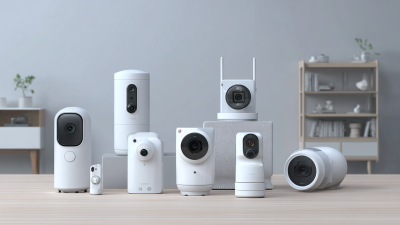
When it comes to selecting a 4G security camera, understanding the different types available can significantly influence your choice. Primarily, you can find options such as PTZ (Pan-Tilt-Zoom) cameras, which offer flexible monitoring capabilities. These cameras can be remotely controlled to change angles, allowing a wide area of coverage from a single unit. They are ideal for large properties or outdoor use where you may need to track moving subjects or adjust the focus based on specific areas of interest.
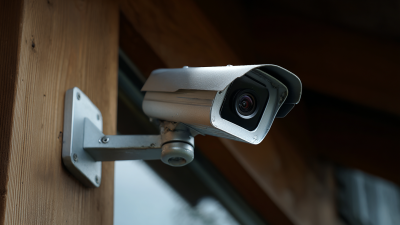
Another category includes bullet cameras, known for their distinctive cylindrical shape and robust design. These cameras typically provide a fixed lens and are excellent for long-distance viewing in outdoor settings. They are often easier to install and can be equipped with additional features such as infrared night vision, making them versatile for various light conditions. Additionally, dome cameras are popular for indoor settings due to their discreet appearance and vandal-resistant features. They provide a 360-degree field of view, which can deter potential intruders while maximizing surveillance coverage within a room.
Lastly, you might also encounter features that cater to specific needs, such as weatherproofing for outdoor cameras or enhanced motion detection capabilities. It's essential to consider factors like resolution, connectivity options, and storage solutions when comparing these different types, as each type may serve unique security requirements based on your environment and monitoring preferences.
Key Features to Look for in 4G Security Cameras
When selecting a 4G security camera, it's crucial to consider several key features that will enhance its effectiveness for your specific needs. First and foremost, resolution plays a vital role in image clarity. Opt for a camera that offers at least 1080p Full HD resolution to ensure sharp images, allowing for better identification of faces and details in the surroundings. Additionally, night vision capabilities are essential. Look for cameras equipped with infrared LEDs that provide clear video footage even in low-light conditions, ensuring continuous surveillance around the clock.
Another important aspect is the camera's connectivity options. A reliable 4G security camera should have robust cellular connectivity to maintain a stable connection, especially in areas with limited Wi-Fi access. It's also beneficial to check for features such as two-way audio, which enables real-time communication through the camera. Furthermore, consider the battery life and power options; a model with a long-lasting battery or the ability to connect to a solar panel can be advantageous in ensuring the camera remains operational without frequent interruptions. Lastly, look for user-friendly mobile app integration that allows for easy monitoring and management of the camera from anywhere, providing convenience and peace of mind.
Top 10 Features to Consider for 4G Security Cameras
Assessing the Connectivity and Signal Strength of the Camera
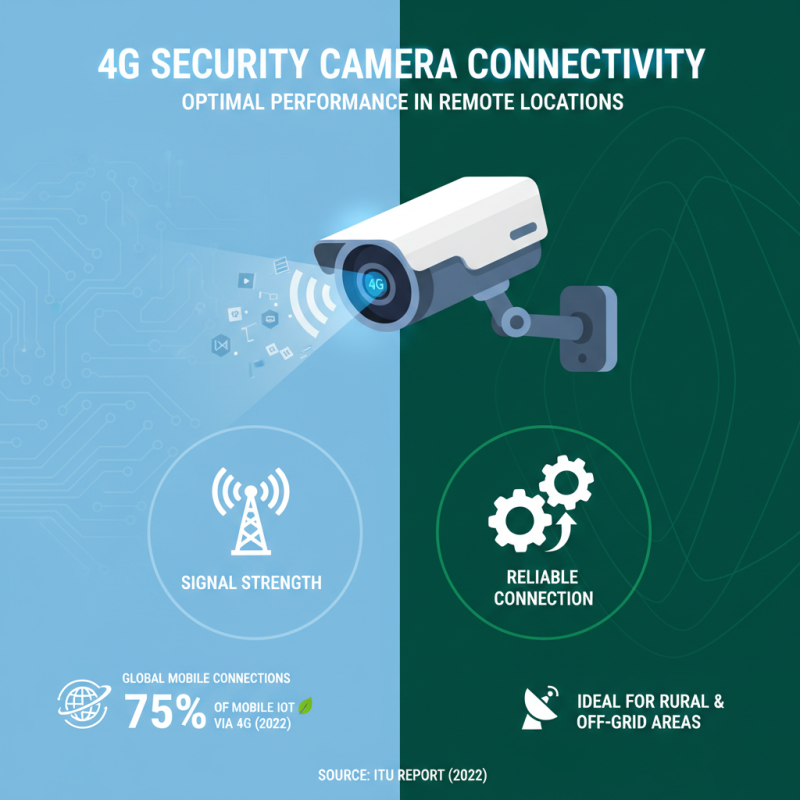
When selecting a 4G security camera, assessing its connectivity and signal strength is essential for optimal performance. According to a report by the International Telecommunication Union, mobile networks are increasingly vital for IoT applications, with 4G accounting for nearly 75% of global mobile connections as of 2022. This growing reliance on 4G connectivity highlights the importance of choosing a camera that can maintain a reliable connection, especially in remote locations where traditional Wi-Fi may not be available.
Signal strength is a critical factor that affects video quality and transmission reliability. A study from MarketsandMarkets indicates that factors such as distance from the cell tower, obstructions, and the specific technology used in a camera's antenna can significantly influence signal strength. A quality 4G security camera should ideally have an advanced antenna design that optimizes reception and minimizes dead zones. Users should look for cameras that provide provisions for external antennas or enhanced signal amplifiers, ensuring that they maintain stable connections even in challenging environments. This assessment will not only enhance camera functionality but also contribute to a seamless surveillance experience.
Evaluating the Cost-Benefit Ratio of 4G Security Solutions
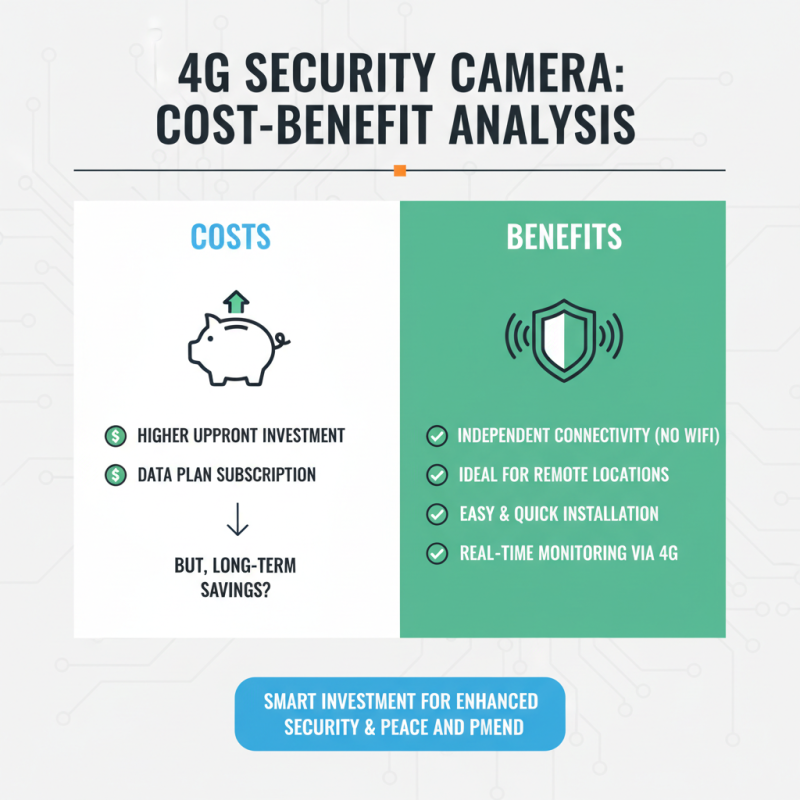
When considering a 4G security camera system, evaluating the cost-benefit ratio is essential for making an informed decision. 4G cameras typically come with higher upfront costs compared to traditional security systems. However, the benefits of mobility, independent connectivity, and easy installation can justify this investment. These cameras do not depend on local Wi-Fi networks, making them ideal for remote locations or situations where internet access is unreliable. The ability to monitor areas in real-time via a 4G connection can provide peace of mind, especially for those managing multiple properties or looking to enhance their home security.
In addition to the initial investment, it's crucial to assess ongoing costs such as data plans and maintenance. Some solutions may offer flexible subscription models that allow you to tailor the service according to your needs, which can be more economical in the long run. Weighing the potential costs against the value of increased security and monitoring capabilities will help you determine whether a 4G security camera fits within your budget while meeting your specific requirements. Ultimately, understanding this cost-benefit ratio can assist you in making the most beneficial choice for your security needs.