Why Choose CCTV With Solar Power for Your Security Needs?
In today's rapidly evolving security landscape, many are turning to eco-friendly solutions. One such option is "CCTV With Solar." This innovative system harnesses solar energy for surveillance needs. Experts like Dr. Amy Lawson, a leading voice in sustainable technology, have noted, “Solar-powered CCTV offers unmatched convenience and reliability.”
Choosing CCTV With Solar means less reliance on traditional power sources. This is crucial in areas with unstable electricity. Solar-powered cameras can function seamlessly in remote locations. They can also reduce carbon footprints, contributing to a greener planet. However, potential limitations exist. Weather conditions and battery life need careful consideration. Real-world applications may present unforeseen challenges.
Investing in CCTV With Solar might initially seem daunting. Concerns about installation and maintenance arise. Yet the long-term benefits often outweigh these worries. Users report enhanced security and reduced energy costs. Adopting this technology encourages a thoughtful approach to modern surveillance. It invites reflection on how we secure our spaces sustainably.
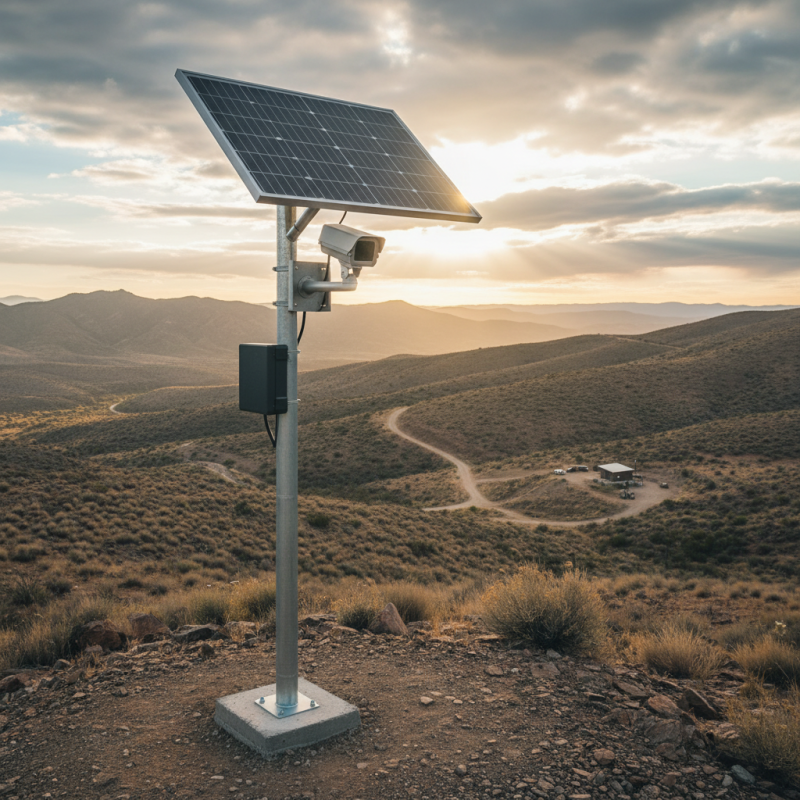
Advantages of Solar-Powered CCTV Systems for Security Purposes
Solar-powered CCTV systems offer numerous advantages for security needs. They operate independently of traditional power sources, allowing them to function in remote locations. This is particularly beneficial for rural properties or construction sites. With the sun’s energy fueling the cameras, installation becomes easier without needing extensive wiring.
The maintenance of these systems is generally lower compared to wired alternatives. Fewer cables mean less wear and tear over time. However, some users might worry about inconsistent power when sunlight is scarce. This can lead to blind spots in security. Still, many solar-powered systems come equipped with battery backups, ensuring functionality even during cloudy days.
Cost savings are another compelling reason to choose solar-powered CCTV. They often reduce electricity bills significantly. Over time, this can yield a high return on investment. However, the initial setup cost may vary, and it's essential to account for that.
Choosing the right location for installation can also impact the system's effectiveness. Without careful planning, the performance may not meet expectations. Consider all factors before making a decision.
How Solar-Powered CCTV Works: Key Components Explained
Solar-powered CCTV systems offer an innovative solution for security needs. They utilize solar panels to harness energy from the sun. This energy powers the cameras and recording devices. Key components include solar panels, batteries, and cameras. The solar panels convert sunlight into electricity. This electricity charges the batteries for continuous operation.
The batteries store energy for use during nighttime or cloudy days. Cameras can be high-definition with night vision capabilities. The installation process is often straightforward. Many solar CCTV systems come with wireless options. This reduces the need for extensive wiring. However, positioning solar panels correctly is crucial. They need adequate sunlight for maximum efficiency.
While solar-powered CCTV is effective, challenges exist. The energy supply can be inconsistent in poor weather. Regular maintenance is also necessary to keep panels clean. Dust or debris can impede functionality. Users should evaluate their specific needs before choosing a system.
Solar-powered CCTV provides a flexible alternative for security, but it requires careful consideration.
Environmental Benefits of Choosing Solar Energy for Surveillance
Solar-powered CCTV systems offer significant environmental benefits.
Using solar energy reduces reliance on traditional electricity sources. This promotes cleaner air and fewer greenhouse gas emissions.
The transition to solar helps combat climate change effectively. Solar panels convert sunlight to energy, making them sustainable.
They also reduce the carbon footprint of surveillance operations.
Additionally, solar-powered systems can be placed in remote locations. This expands surveillance capabilities without the need for extensive wiring.
It’s crucial to consider the initial setup cost, which can be higher than conventional systems.
However, over time, savings on electricity bills accumulate. This creates a long-term financial benefit alongside environmental advantages.
Choosing solar energy can be an admirable step toward greener living.
Yet, it is not without challenges. Solar panels need adequate sunlight to function optimally. In regions with limited sun exposure,
effectiveness may decline. Regular maintenance is also necessary to ensure efficiency. It's an ongoing commitment.
Despite these hiccups, the overall impact on the environment can be profound.
Adopting solar technology in security setups is a responsible choice.
Cost-Effectiveness of Solar-Powered CCTV in the Long Run
Solar-powered CCTV systems present a compelling case for cost-effectiveness, especially in the long run. A study by MarketsandMarkets indicates that the solar energy market is projected to grow at a CAGR of over 20% through 2026. This growth reflects increased adoption of solar technology in various sectors, including security.
Investing in solar-powered CCTV reduces operational costs significantly. Traditional CCTV systems require continuous power supply and maintenance. In contrast, solar-powered models often have lower energy expenses, potentially saving users up to 50% on electricity bills. For instance, a survey found that businesses switching to solar solutions reported a return on investment (ROI) within three to five years. These savings can accumulate dramatically over the years.
However, some challenges remain. Solar-powered systems depend on sufficient sunlight for optimal performance. If installed in shaded areas, their effectiveness can reduce. Additionally, initial installation costs might be higher, causing hesitation among potential users. Evaluating the long-term benefits against these upfront costs is crucial for smart decision-making. Ultimately, the ongoing cost savings and reduced environmental impact of solar CCTV are hard to ignore.
Ideal Locations for Installing Solar-Powered CCTV Cameras
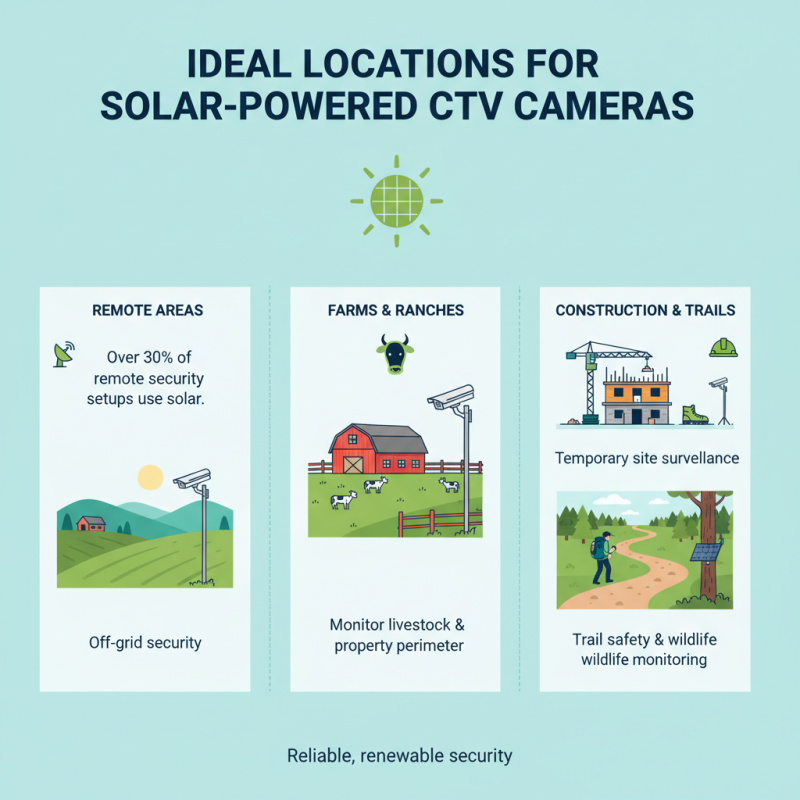
When considering solar-powered CCTV cameras, selecting the right installation locations is crucial. These cameras can thrive in remote areas where traditional power sources are unavailable. Research shows that over 30% of remote security setups utilize solar power, making it a reliable choice. Solar cameras are particularly suited for farms, construction sites, and hiking trails.
These locations often lack electricity but require vigilant surveillance. For instance, farms can monitor livestock and crops effectively with solar cameras. A study revealed that farms using these systems saw a 40% reduction in theft incidents. In construction zones, solar CCTV can deter vandalism and unauthorized access. Battery life in these cameras can stretch beyond 24 hours, adapting to fluctuating sunlight.
Solar-powered CCTV also excels in urban settings with limited access to power. Businesses can place these cameras on rooftops or building exteriors. However, the location must be unobstructed to maximize sunlight exposure. Despite their advantages, these systems can face challenges, like battery depletion during prolonged cloudy days. It's essential to assess these factors before installation.