How to Choose the Best Surveillance Camera for Your Home Security Needs
When it comes to enhancing your home security, choosing the right surveillance camera is essential. According to John Smith, a leading expert in home security systems, “The effectiveness of a surveillance camera lies not just in its features, but in how well it aligns with your specific security needs.” With the myriad of options available in the market, determining which surveillance camera is best suited for your home can be a daunting task.
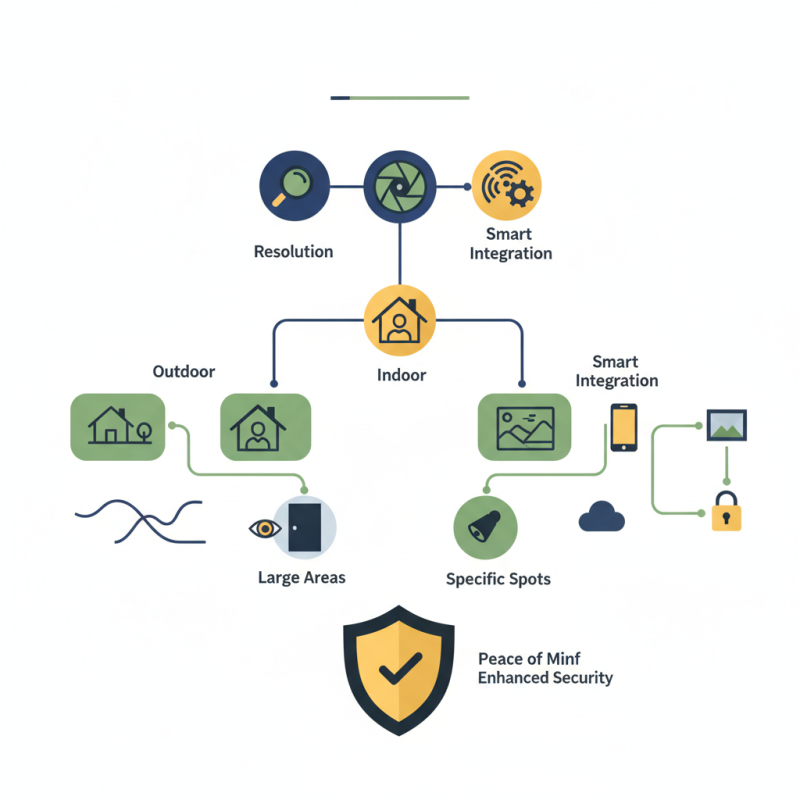
Understanding factors such as resolution, field of view, and smart integration capabilities is crucial. John emphasizes that, “Homeowners should prioritize their unique requirements—whether it’s monitoring a large outdoor area or ensuring privacy indoors—before making a decision.” In an age where technology continues to evolve, a well-informed choice can provide peace of mind and significantly enhance your home’s security framework.
In this guide, we will delve into the critical elements to consider when selecting a surveillance camera, ensuring that your investment effectively meets your safety and security needs. It’s time to protect your sanctuary with the best surveillance camera tailored specifically for you.
Understanding Your Home Security Needs
When selecting a surveillance camera for your home, it’s essential to first understand your specific security needs. Consider factors such as the layout of your property, the areas that require monitoring, and the level of security you desire. For instance, if you live in a high-crime area, you might want cameras with higher resolution and night vision capabilities to ensure clear footage at all times.
**Tips:** Identify key entry points in your home, such as doors and windows, since these are common targets for intruders. Additionally, think about whether you want indoor or outdoor cameras. Outdoor cameras should be weatherproof and able to withstand environmental factors.
Another important aspect to consider is connectivity and storage options. Decide if you prefer a wired or wireless camera setup, as this can affect installation and overall functionality. Evaluate cloud storage versus local storage solutions based on your budget and comfort level with technology.
**Tips:** Ensure the cameras you choose are compatible with a mobile app, allowing you to monitor your home remotely. Also, check for features like motion detection alerts, which can notify you instantly if an unusual activity is detected.
Home Security Camera Types and Their Popularity
Types of Surveillance Cameras Available
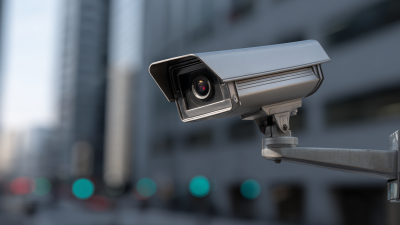
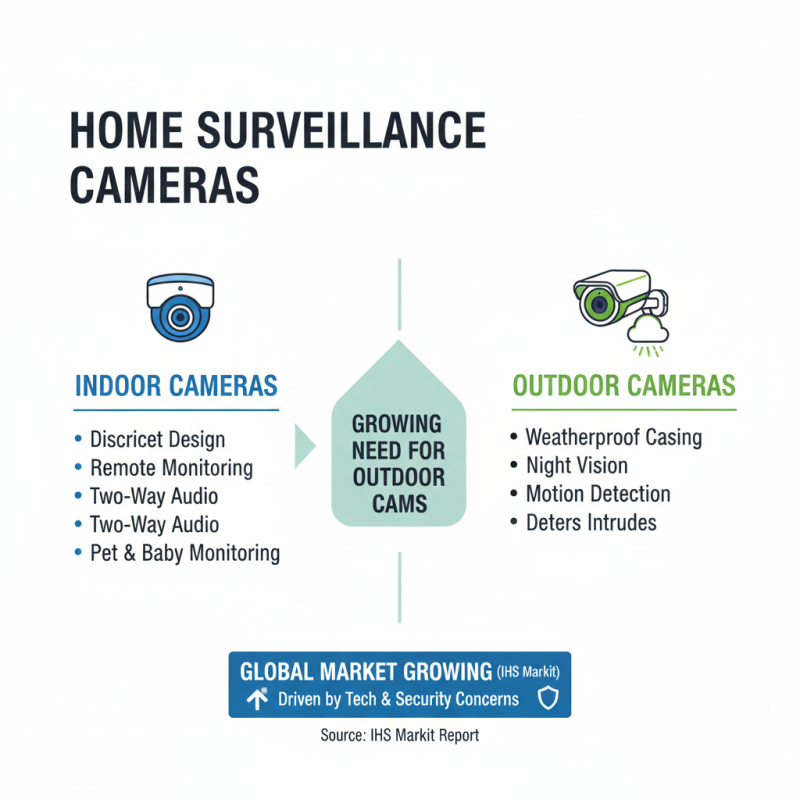
When selecting the best surveillance camera for your home security needs, understanding the different types of cameras available is crucial. The two primary categories are indoor and outdoor surveillance cameras. According to a report by IHS Markit, the global market for surveillance cameras is projected to grow significantly, driven by advancements in technology and increasing security concerns; specifically, the need for outdoor cameras is on the rise due to their ability to withstand various weather conditions and deter potential intruders. Outdoor cameras are typically housed in weatherproof casings and can feature night vision and motion detection capabilities.
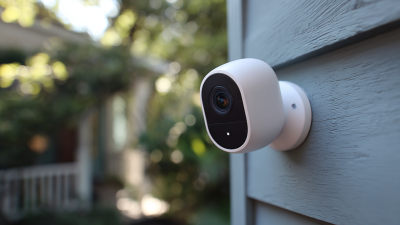
Additionally, within these categories, you have options like wired and wireless cameras. Wireless models are becoming increasingly popular, with a study by Markets and Markets suggesting that the global wireless security camera market will reach $10.2 billion by 2025. These cameras offer flexibility in placement and ease of setup, making them ideal for homeowners who value convenience. Furthermore, smart cameras, capable of integrating with home automation systems, are gaining traction, providing users with real-time alerts and remote access via mobile devices. As security needs evolve, selecting the right type of surveillance camera is essential for effective home protection.
Key Features to Consider When Selecting a Camera
When selecting a surveillance camera for your home security needs, several key features should be considered to ensure you make the right choice. One crucial factor is video quality; opting for a camera with at least 1080p resolution will give you clearer images, making it easier to identify people or objects captured on video. Additionally, choose a camera with night vision capabilities to monitor your property after dark, ensuring you have round-the-clock surveillance.
Another important feature is the camera's field of view. A wider field will allow you to cover more area with fewer cameras, optimizing your security setup. Look for models that have adjustable lenses for the flexibility to focus on specific areas of interest. Additionally, consider whether you want a wired or wireless camera; wireless options offer more straightforward installation and flexibility in placement.
Tips: When evaluating cameras, also think about additional features such as motion detection and two-way audio, which can enhance communication and prompt alerts when motion is detected. Lastly, ensure the camera is compatible with your existing smart home devices for seamless integration.
Evaluating Cost vs. Quality for Surveillance Options
When selecting a surveillance camera for your home security, balancing cost and quality is paramount. According to the 2023 Security Industry Association report, around 75% of consumers prioritize image clarity and reliability over initial cost. This insight underscores the importance of investing in quality systems that can offer higher resolution images, especially for critical areas such as entry points and driveways. With options ranging from 1080p to 4K cameras, the price can vary significantly. However, a higher-quality camera that performs well in various lighting conditions can reduce the risk of blind spots and enhance overall security.
Moreover, while cheaper models may seem appealing, they often lack essential features such as night vision, cloud storage, or mobility. A recent study by Statista noted that nearly 60% of security incidents required clear footage for law enforcement to act effectively. Therefore, when evaluating your options, consider the long-term benefits of investing in a slightly more expensive camera that meets your security needs comprehensively. High-quality cameras, paired with integrated systems, not only provide peace of mind but also represent a more cost-effective solution in the long run, minimizing the need for frequent upgrades and replacements.
Installation and Maintenance Tips for Surveillance Cameras
When choosing a surveillance camera for your home, it’s essential to consider how to install and maintain it effectively. First, select a suitable location for your cameras. Ideal spots include entrances, driveways, and high-traffic areas. Ensure the camera is mounted at a height that captures clear images without being tampered with. When installing, clean the surface thoroughly and use proper mounting hardware to secure the camera firmly. Don’t forget to check the camera's field of view to minimize any blind spots, and invest in weatherproof models for outdoor placement.
Regular maintenance is crucial for optimal performance. Periodically inspect your surveillance cameras to ensure they are functioning correctly. Clean the lenses to prevent dirt and moisture from obstructing the view. Additionally, check the camera's connectivity and storage systems; ensure they are working well and backed up regularly. Setting a routine schedule for these maintenance tasks will help you catch any issues early, ensuring that your home security remains robust and effective.