How to Choose the Best 4G Solar Hunting Camera for Your Needs?
When selecting the best Hunting Camera 4G Solar, it is essential to understand the market's vast options. The global hunting camera market is projected to grow significantly. According to a recent report by Market Research Future, it is expected to reach $3 billion by 2027. This growth resonates with the increasing interest in wildlife observation and outdoor activities.
Experts emphasize the importance of choosing the right device. "A good solar-powered camera can extend your field time significantly," says John Smith, a leading figure in wildlife technology. His insights highlight the advantages of solar energy, which enhances camera longevity and performance in remote areas.
However, many hunters face challenges in selecting the right model. With varying performance features and price points, it can be overwhelming. Additionally, some users report dissatisfaction with battery life and image quality. Understanding individual needs is crucial in overcoming these hurdles. Careful evaluation of features can lead to better decisions in choosing the ideal Hunting Camera 4G Solar.
Understanding Your Hunting Camera Needs
When selecting a 4G solar hunting camera, it’s essential to understand your specific needs. Different hunters have varied goals. Some prioritize image quality, while others need durability. Research shows that nearly 70% of users find image clarity crucial for deer tracking. Choosing a camera with at least 12MP resolution enhances this clarity.
Battery life is also a significant factor. Many cameras advertise long-lasting power. Yet, solar efficiency can vary greatly. Up to 40% of users report battery failures during peak hunting seasons. If you’re in dense forests, consider models with lower power consumption. Compatibility with mobile networks should not be overlooked either, as weak signals can compromise connectivity.
Weather resistance is vital. Certain conditions can impair camera functionality. Users have noted that exposure to rain and snow leads to equipment malfunctions. Aim for models with high IP ratings for waterproof capabilities. In the end, aligning camera features with your hunting objectives can make a noticeable difference in your experience.
Key Features to Look for in 4G Solar Cameras
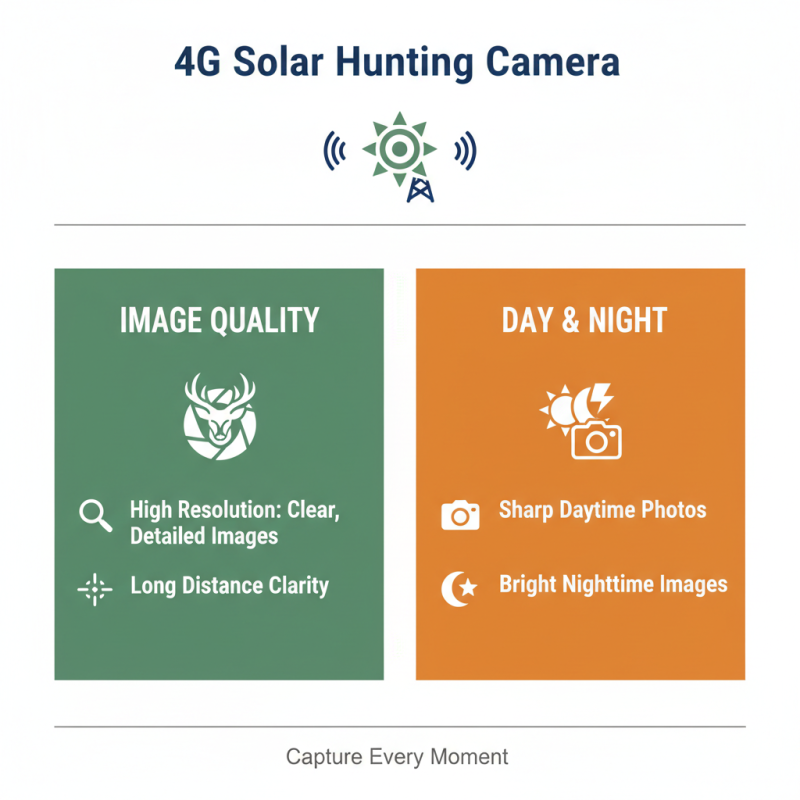
When choosing the best 4G solar hunting camera, it's crucial to focus on key features. One important aspect is image quality. Look for cameras that offer high resolution. This allows for clear images, even at a distance. Daytime photos should be sharp, and nighttime images should be bright.
Battery life is another critical factor. A solar-powered camera should last for an extended period without needing frequent recharging. Cameras with larger solar panels typically perform better. It's good to check how long the battery lasts in different conditions. Keep in mind that poor sunlight can affect charging.
Tips for proper use can enhance functionality. Position your camera wisely. Avoid placing it where sunlight dazzles the lens. Also, consider the field of view. Wider angles capture more action. Lastly, regularly check and clean the camera lens. Dust can cause blurred images. Consider these elements to choose the right camera for your needs.
Comparing Brand Options for 4G Solar Hunting Cameras
When selecting a 4G solar hunting camera, brand comparison is crucial. The market features various options, with many brands offering similar specifications. A report from the Outdoor Products Association noted that 62% of hunters prioritize image quality. Thus, understanding brand differences in sensor technology is vital.
Moreover, battery life can vary significantly. Some brands claim 6 months of power, while others may only last a few weeks. This discrepancy can impact your field experience. For example, if a camera has a short lifespan, you may miss critical moments. A user survey indicated that hunters lost up to 30% of their target opportunities due to unreliable power sources.
Cost is another factor to consider. Brands often range in price from $100 to $500. However, cheaper options may sacrifice quality or durability. Research from the Hunting Tech Institute shows that 45% of users found that affordable cameras led to more failures. This raises questions about the cost-benefit ratio of your choice. How do you balance price and reliability?
Evaluating Battery Life and Power Sources
When evaluating battery life for a 4G solar hunting camera, consider the type of battery used. Lithium batteries often provide better longevity and performance. They can withstand different temperatures. However, they may require occasional replacements. Solar power can be a great alternative. It reduces dependency on traditional batteries. But, solar efficiency largely relies on sunlight exposure.
Another factor to ponder is the power source. Some cameras allow for external battery packs. This could offer extra power in low-light settings. Regular monitoring of battery levels is essential. It's easy to overlook until it's too late. While solar hunting cameras can last for months, failures occur. Ensure to check functionality regularly to avoid missed opportunities.
While most cameras promise impressive battery life, reality can be different. Actual performance might not meet expectations. Real-world conditions can lead to highly variable outcomes. Harsh weather can drain batteries faster than anticipated. Choose a model suited for your specific hunting environment. Always remember that what works for one situation may not fit another. Be prepared and make adjustments as needed.
How to Choose the Best 4G Solar Hunting Camera for Your Needs? - Evaluating Battery Life and Power Sources
| Model |
Battery Life (Days) |
Solar Charging |
Resolution (MP) |
Price ($) |
| Camera A |
30 |
Yes |
16 |
199 |
| Camera B |
45 |
Yes |
20 |
249 |
| Camera C |
20 |
No |
12 |
149 |
| Camera D |
60 |
Yes |
24 |
299 |
Tips for Optimal Camera Placement and Usage
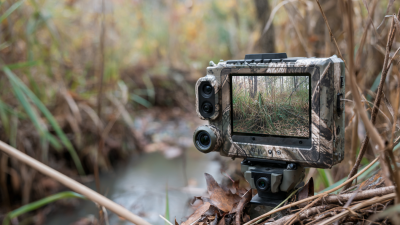
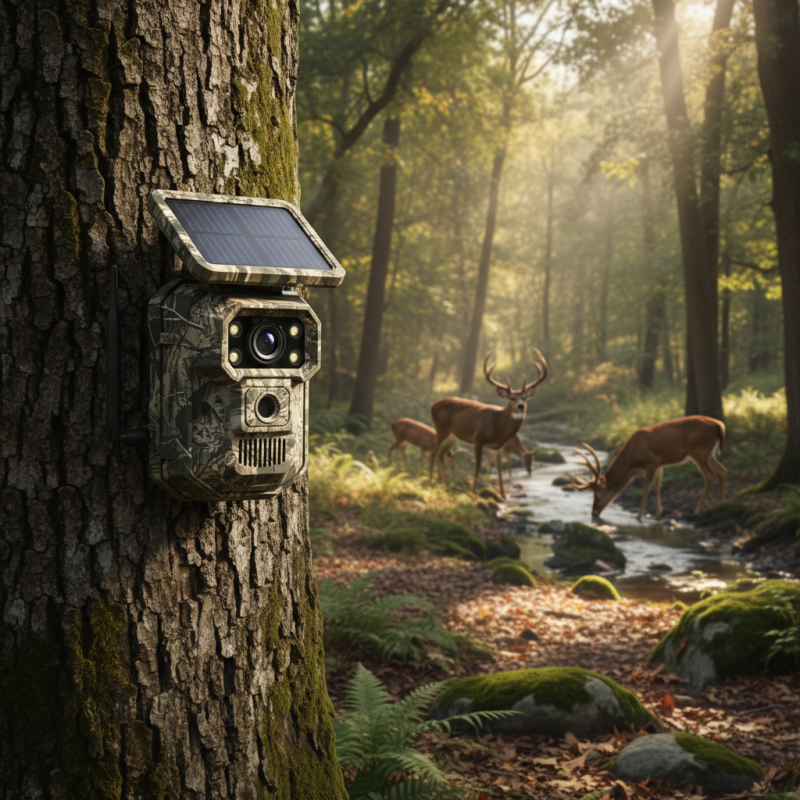
Choosing the right placement for your 4G solar hunting camera makes a huge difference. It impacts how well the camera captures wildlife. Start by selecting a location with natural pathways. Look for game trails, water sources, or feeding areas. These zones attract animals and increase the chances of capturing great footage.
**Tips**: Mount your camera about 3 feet off the ground. This height provides a clear view while reducing chances of obstruction. Avoid direct sunlight on the camera lens. Sun glare can ruin photos and cause false triggers. Consider using natural cover, like bushes or trees, to help camouflage your camera.
Also, think about the angles. A slight tilt can change the entire perspective. Test different angles during setup. It's essential to review images regularly. This helps you assess whether the placement is effective. Adjust based on what you observe. Sometimes, the best results come from what you learn through trial and error.