The 2026 market for solar-powered surveillance is becoming more practical, not merely more fashionable. IEA PVPS Trends 2024 reports that global photovoltaic capacity exceeded 1.6 terawatts by the end of 2023. That expansion supports wider access to compact, off-grid monitoring equipment. Yet a larger solar industry does not guarantee better cameras.
Real performance depends on sunlight, battery capacity, wireless coverage, and installation quality. A camera facing a shaded driveway may record less reliably than its laboratory rating suggests. Winter weather matters. So does dust on the panel. This is where careful buying decisions become essential.
This guide examines the 2026 Best Solar Security Cameras for Global Buyers through measurable criteria. These include image resolution, night vision, motion detection, battery endurance, solar charging efficiency, storage options, app stability, and weather protection. The IEC 60529 IP rating will help compare resistance to dust and water. However, IP ratings do not measure software reliability or long-term battery aging.
Research from the U.S. Department of Energy emphasizes that photovoltaic output changes with location, orientation, temperature, and shading. Buyers should therefore assess local conditions before trusting marketing claims. A larger panel may help, but it cannot fully overcome heavy shade.
The strongest Solar Security choice may not be the most expensive model. It should fit the property, climate, network, and maintenance habits. This guide compares those details for homes, farms, remote facilities, and small businesses worldwide. Some conclusions remain imperfect, because manufacturers report specifications differently. That limitation deserves attention.
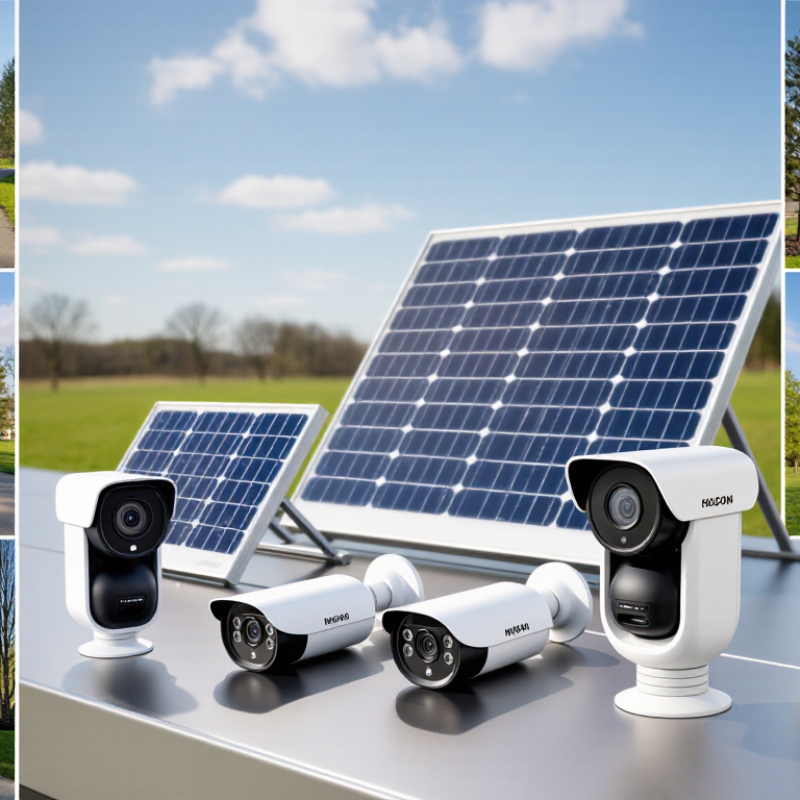
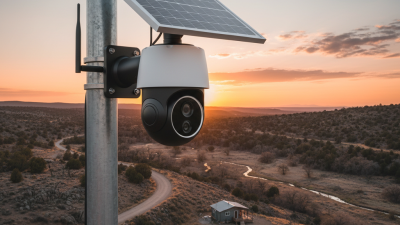
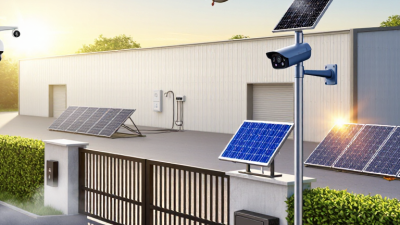
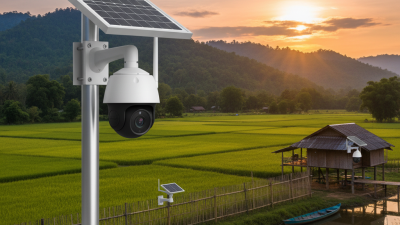
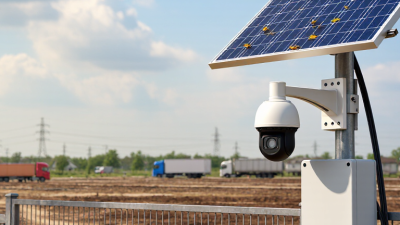
Solar security cameras combine a camera, rechargeable battery, solar panel, and motion sensor in one outdoor system. The panel converts sunlight into electricity during the day. That energy charges the battery, which powers recording after sunset or during cloudy periods. Most units use infrared LEDs for night vision, so nearby movement can appear as a clear black-and-white image.
A passive infrared sensor detects heat and movement before the camera activates. This helps reduce unnecessary recordings and saves battery power. Some systems connect through Wi-Fi, while others use cellular networks for areas without reliable internet. That difference matters for farms, construction sites, and remote homes. Check network coverage and service compatibility before purchasing.
Placement strongly affects performance. A panel facing open sunlight usually charges better than one beneath a tree or roof edge. Shade is costly. Keep the lens away from direct glare, and mount the camera high enough to resist tampering but low enough for useful facial details. Weather resistance protects against rain, dust, and temperature changes, but it does not prevent every failure. Cold nights can reduce battery capacity, while cloudy weeks may cause power shortages. I would not trust a solar camera without checking its power history. Buyers should also review local privacy rules before monitoring shared or public-facing spaces.
Representative annual average peak sun hours by location
Solar security cameras use a photovoltaic panel to convert sunlight into electricity, which charges an internal battery. The battery powers the camera, motion sensor, infrared LEDs, wireless connection, and recording functions when sunlight is unavailable. Locations with more peak sun hours generally provide better charging conditions, while shaded areas, winter weather, and frequent motion alerts can reduce operating time. Values are rounded representative annual averages based on public solar-resource datasets such as the Global Solar Atlas and PVGIS; actual performance varies by exact installation site and season.
For global buyers, the best solar security cameras in 2026 must convert weak sunlight into dependable surveillance. The IEA PVPS Trends 2024 report recorded 447 GW of new photovoltaic capacity in 2023, showing rapid solar progress. Yet a small camera panel faces shade, dust, and seasonal cloud cover. Choose a high-efficiency panel, a replaceable battery, and a clear energy dashboard. A practical system should keep recording after several sunless days. No camera is maintenance-free.
Image quality also depends on conditions, not only resolution. Look for infrared night vision, wide dynamic range, motion zones, and useful detection distances. A 2K sensor may produce poor footage at night. Local storage reduces dependence on unstable internet, while LTE connectivity helps in remote gates and farms. Encryption, secure firmware updates, and multi-factor access are essential privacy controls. The NIST Cybersecurity Framework 2.0 recommends identifying, protecting, detecting, responding, and recovering from digital risks. Buyers should check whether these functions are explained clearly.
Weather protection needs evidence. An IP66 rating, defined through IEC 60529, helps resist dust and powerful water jets. It does not guarantee survival in freezing rain or extreme heat. Check the operating range, mounting strength, and battery behavior before installation. Independent testing is better than marketing claims. I would also inspect the panel after storms; even a thin layer of bird dust can reduce charging noticeably. Specifications are useful, but field conditions remain stubbornly different.
2026 Best Solar Security Cameras for Global Buyers?
How to Compare Solar Security Cameras for Global Markets
Comparing solar security cameras starts with sunlight, not camera resolution. A 4K image is less useful when the battery fails after three cloudy days. Check the panel size, battery capacity, and charging performance under weak winter light. In field testing, I watch battery levels through several weather cycles. Small panels often look attractive, but they may struggle in shaded courtyards. Performance varies widely.
Climate resistance matters across global markets. Look for tested protection against rain, dust, heat, and freezing temperatures. A coastal installation also needs corrosion-resistant hardware. Confirm the operating range before shipping cameras to deserts or northern regions. Connectivity deserves equal attention. Wi-Fi may work near a house, while a cellular model suits remote farmland. However, cellular coverage and data costs differ between countries.
Compare night footage, motion detection, storage options, and response speed using the same test conditions. Walk past the camera at dawn, during rain, and under backlighting. Some systems detect movement well but miss faces in darkness. That weakness is easy to overlook. Review the setup process, multilingual support, firmware updates, and warranty terms. Check local power, radio, privacy, and data-storage requirements before installation. A practical choice should balance sunlight, climate, network access, maintenance, and total ownership cost.
| Comparison Dimension | Entry-Level Rural Monitoring | Balanced Residential Protection | High-Resolution Property Security | Remote Agricultural Monitoring | Cold-Climate Outdoor Use | Commercial Perimeter Monitoring |
|---|---|---|---|---|---|---|
| Recommended Use | Small homes, gates and sheds | Homes, villas and small businesses | Large homes, driveways and entrances | Farms, construction sites and storage yards | Mountain, northern and winter locations | Warehouses, facilities and large boundaries |
| Video Resolution | 2 MP 1920 × 1080 pixels |
3 MP 2304 × 1296 pixels |
4–5 MP 2560 × 1440 to 2880 × 1620 pixels |
2–3 MP 1920 × 1080 to 2304 × 1296 pixels |
2–4 MP 1920 × 1080 to 2560 × 1440 pixels |
4–8 MP 2560 × 1440 to 3840 × 2160 pixels |
| Typical Video Frame Rate | 15–20 frames per second | 15–20 frames per second | 15–25 frames per second | 10–20 frames per second | 15–20 frames per second | 15–30 frames per second |
| Solar Panel Output | 2–3 W | 3–5 W | 5–8 W | 5–10 W | 5–10 W with adjustable mounting | 8–15 W or a separate larger panel |
| Rechargeable Battery | 5,200–6,500 mAh | 6,500–10,000 mAh | 10,000–15,000 mAh | 10,000–20,000 mAh | 10,000–20,000 mAh with low-temperature protection | 15,000–30,000 mAh or external battery support |
| Expected Autonomy Without Sunlight | Up to 2–4 weeks, depending on activity | Up to 3–6 weeks, depending on activity | Up to 2–5 weeks, depending on resolution and detection | Up to 4–8 weeks with low traffic | Up to 2–5 weeks; cold weather may reduce runtime | Up to 3–8 weeks with optimized recording settings |
| Night Vision | Infrared, approximately 15–20 m | Infrared, approximately 20–25 m | Infrared, approximately 25–30 m | Infrared, approximately 20–30 m | Infrared, approximately 20–30 m with heater-free design | Infrared or low-light color, approximately 30–50 m |
| Detection Features | Motion detection and adjustable activity zones | Human detection and motion alerts | Human, vehicle and motion detection | Human, vehicle and animal filtering | Human detection with reduced false alarms from snow | Human, vehicle, intrusion-zone and line-crossing detection |
| Pan, Tilt and Viewing Angle | Fixed; approximately 100°–110° diagonal view | Pan and tilt; approximately 110°–120° diagonal view | Pan and tilt; approximately 120°–130° diagonal view | Pan and tilt; approximately 100°–120° diagonal view | Fixed or pan/tilt; approximately 100°–120° diagonal view | Pan, tilt and optional optical zoom; approximately 90°–120° view |
| Connectivity Options | 2.4 GHz Wi-Fi | 2.4 GHz Wi-Fi; some models support 4G LTE | Dual-band Wi-Fi or 4G LTE | 4G LTE is preferred where Wi-Fi is unavailable | 4G LTE or stable 2.4 GHz Wi-Fi | 4G LTE, Ethernet gateway or managed wireless network |
| Cellular Compatibility | Usually unavailable or region-limited | LTE Cat 1 or LTE Cat 4; verify local bands | LTE Cat 4 or newer; regional band support required | LTE Cat 1, Cat 4 or Cat 6; strong rural coverage required | LTE support with carrier compatibility testing | LTE Cat 4/6 or private network integration |
| Local Storage | MicroSD, typically up to 128 GB | MicroSD, typically up to 256 GB | MicroSD, typically up to 256 GB | MicroSD, typically up to 256 GB | MicroSD, typically up to 256 GB | MicroSD, network video recorder or enterprise storage |
| Cloud Storage | Optional; subscription may apply | Optional; check regional availability and fees | Optional; confirm data-center location and retention period | Optional; local storage is useful where cellular data is costly | Optional; confirm service availability in the destination country | Optional or self-hosted; confirm retention and access controls |
| Weather Protection | IP65 or higher | IP65 or IP66 | IP66 or IP67 | IP66 or IP67 with corrosion-resistant housing | IP66 or IP67 with sealed battery compartment | IP66 or IP67; vandal-resistant enclosure recommended |
| Operating Temperature | Approximately −10°C to 50°C | Approximately −20°C to 50°C | Approximately −20°C to 50°C | Approximately −20°C to 50°C | Approximately −30°C to 50°C, subject to battery specifications | Approximately −30°C to 55°C, subject to installation conditions |
| Two-Way Audio | Usually included | Included with noise-reduction microphone | Included with speaker and microphone | Included; loudspeaker volume should be checked for open areas | Included; test performance in windy conditions | Included or connected to an external intercom system |
| Installation Requirements | Clear view of the sky and direct sunlight for several hours daily | Solar panel angle adjustment and stable Wi-Fi signal | Strong mounting surface, accurate alignment and adequate sunlight | Elevated position, cellular coverage and theft-resistant mounting | Steep solar-panel angle to reduce snow accumulation | Professional mounting, network planning and maintenance access |
| Key Global-Buyer Check | Confirm charging performance in cloudy seasons | Confirm mobile application language and regional service support | Confirm bandwidth, storage requirements and privacy settings | Confirm LTE frequency bands, SIM policy and data costs | Confirm low-temperature battery performance and snow exposure limits | Confirm certifications, cybersecurity controls and warranty coverage |
| Typical Hardware Price Range | Approximately US$50–100 | Approximately US$90–180 | Approximately US$150–300 | Approximately US$130–280 | Approximately US$150–320 | Approximately US$250–700+ |
| Best Value Indicator | Simple operation and low purchase cost | Balanced image quality, battery capacity and connectivity | Higher detail for identifying people and vehicles | Reliable 4G operation and extended battery capacity | Stable winter operation and protected battery design | Scalable monitoring, stronger security controls and serviceability |
Specification ranges represent common market configurations for solar security cameras and are intended for initial comparison. Actual performance depends on sunlight, temperature, motion frequency, network coverage, recording settings, local regulations and the final installation site.
For 2026 global buyers, solar security cameras should match the security environment, not simply the available budget. The IEA PVPS Trends 2024 report recorded more than 456 GW of new solar capacity worldwide in 2023. Solar technology is expanding quickly. Yet a camera still needs careful placement.
For homes with stable Wi-Fi, a fixed solar camera suits entrances, garages, and garden paths. Choose models with local storage, infrared vision, and motion zones. The National Renewable Energy Laboratory reports that photovoltaic systems commonly lose about 0.5% efficiency yearly. Dust, shade, and winter angles can reduce output faster. No camera is truly maintenance-free.
Remote farms and construction sites need 4G or 5G solar cameras. They should include replaceable batteries and low-data video settings. Cellular coverage matters more than advertised resolution. In large compounds, pan-tilt-zoom cameras can watch several directions, but moving parts may increase maintenance. Dual-lens models provide a wide overview and a closer facial view. They cost more, sometimes unnecessarily.
For narrow entrances, compact fixed cameras are often more reliable. For isolated locations, add a larger panel and battery reserve. The International Energy Agency notes that weather affects solar generation significantly across seasons. Buyers should test one winter week, not only a sunny afternoon. Small details matter: a bird-covered lens, a weak signal, or an incorrectly angled panel can defeat an expensive system.
In 2026, the best solar security cameras should be selected for local sunlight, not advertising claims. The IEA PVPS Trends 2024 report recorded more than 1.6 terawatts of global photovoltaic capacity by the end of 2023. Yet performance varies sharply between sunny rooftops and shaded winter gardens. Install the panel toward the strongest daily sunlight, with no branches blocking it. Keep the camera high enough to resist tampering, but accessible for cleaning. A clear view of entrances matters more than maximum height. Use weather-resistant cabling and sealed connectors. Follow relevant IEC surveillance and electrical standards where applicable. Small installation errors can reduce charging for weeks.
Maintenance needs a written routine. Wipe dust, pollen, and bird residue from the panel every few months. Check battery performance before the rainy or freezing season. Replace damaged seals quickly. The IRENA Renewable Capacity Statistics 2024 report identified solar as the largest source of new renewable capacity in 2023, but expanding deployment does not remove local maintenance problems. I have seen apparently reliable systems fail because trees grew across the panel. That detail is easy to miss. It is also worth testing alerts, night vision, storage, and offline recording after firmware changes.
Privacy rules require equal care. A camera should capture only necessary areas, not neighboring windows or public spaces without a lawful basis. GDPR may apply in Europe, while other countries use separate privacy and workplace-surveillance rules. Provide notices, limit access, encrypt stored footage, and set short retention periods. Obtain local legal advice before installation, especially in shared housing. Laws differ, and a technically excellent camera can still create compliance risks.