Top 10 Surveillance Cameras Buyers Must Consider in 2026?
In the ever-evolving landscape of security technology, choosing the right surveillance camera is crucial. By 2026, the global market for surveillance cameras is projected to exceed $30 billion, according to a recent industry report. This surge emphasizes the increasing demand for high-quality surveillance systems in both residential and commercial settings.
Modern surveillance cameras come with advanced features like AI-driven analytics and high-resolution imaging. However, not all models cater to specific needs. Buyers often face challenges in identifying the right camera that fits their unique security requirements. While some cameras promise exceptional performance, customer reviews frequently reflect dissatisfaction due to installation issues or inadequate customer support.
As surveillance technology improves, consumers must carefully evaluate their options. Relying solely on brand reputation may not suffice. A thorough understanding of features and specifications is essential. Investing in a surveillance camera is not just a purchase; it's an investment in safety and peace of mind.
Overview of the Surveillance Camera Market in 2026
The surveillance camera market in 2026 is set for significant evolution. As technology advances, buyers have an array of features to consider. High-definition video quality is becoming standard in new models. Many consumers are also looking for cameras with enhanced night vision capabilities. This provides better security in low-light situations where criminal activities often occur.
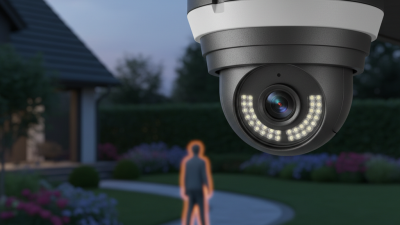
Artificial intelligence is a game-changer in this field. Cameras can now analyze footage and detect unusual behavior automatically. This reduces the need for constant human monitoring. However, there are concerns about privacy and data security. Users must reflect on how their data is stored and protected. With the rise of digital hacking, reliable encryption is essential for peace of mind.
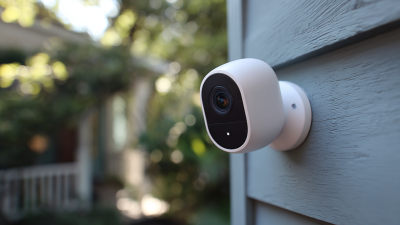
Wireless connectivity will likely dominate the market. Many devices now operate seamlessly with smartphones. Instant alerts on your phone can be invaluable. Yet, connectivity issues can arise, leading to temporary lapses in security. Buyers should be cautious about this potential drawback. The growing adoption of cloud storage also raises questions about control over personal footage. Each advancement offers better features but also necessitates careful consideration.
Top 10 Surveillance Cameras Buyers Must Consider in 2026
| Camera Model |
Resolution |
Field of View |
Night Vision |
Price Range |
Special Features |
| Model A |
4MP |
90° |
Yes |
$100 - $150 |
PTZ, Weatherproof |
| Model B |
8MP |
110° |
Yes |
$200 - $250 |
Voice Control, Remote Access |
| Model C |
5MP |
100° |
No |
$75 - $125 |
Motion Detection |
| Model D |
6MP |
95° |
Yes |
$150 - $200 |
Smart Analytics |
| Model E |
4K |
120° |
Yes |
$300 - $400 |
AI Detection |
| Model F |
2MP |
80° |
No |
$50 - $100 |
Compact Design |
| Model G |
5MP |
110° |
Yes |
$175 - $225 |
Low-light Capabilities |
| Model H |
3MP |
90° |
Yes |
$125 - $175 |
Wireless |
| Model I |
4K |
100° |
Yes |
$400 - $500 |
Integrated Sound |
| Model J |
6MP |
95° |
Yes |
$225 - $275 |
Facial Recognition |
Key Features to Look for in Surveillance Cameras
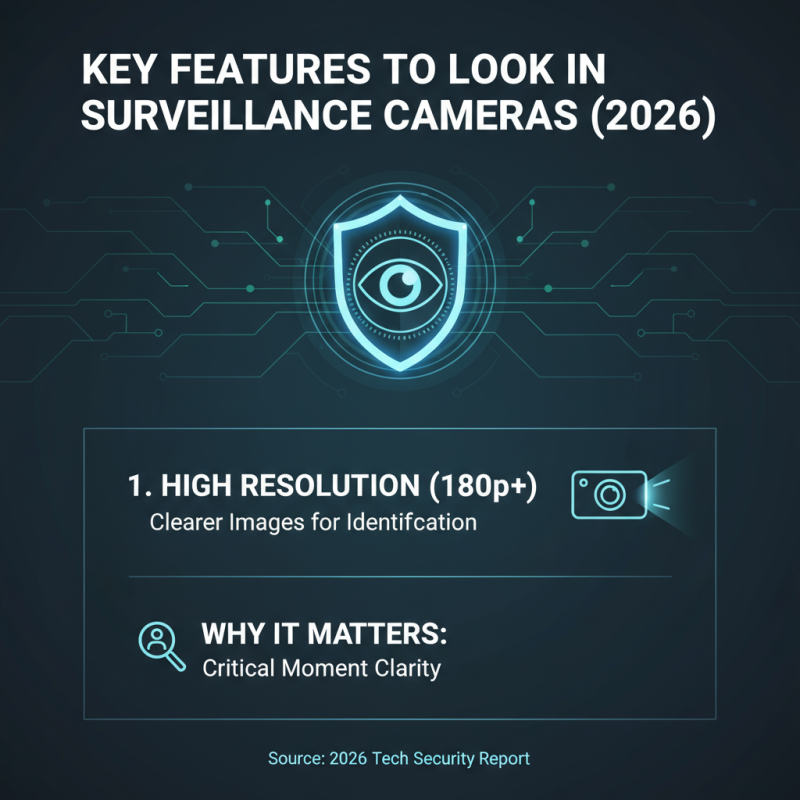
In 2026, choosing the right surveillance camera involves key features that ensure reliability and effectiveness. One of the most important aspects is resolution. Higher resolution offers clearer images, aiding in identification. Look for cameras with at least 1080p resolution. This clarity can make a real difference during critical moments.
Night vision is another feature to consider. Infrared or low-light capabilities enable effective monitoring after dark. It enhances security in vulnerable areas. A camera’s field of view also matters. A wide angle captures more of the environment, reducing blind spots. This is essential for large property coverage.
Additionally, consider connectivity options. Wi-Fi and Ethernet connections affect camera performance. Stable and speedy connections ensure real-time access and alerts. Lastly, user-friendly interfaces are crucial. Complex systems can lead to frustration. Simplified settings help users maximize the camera’s potential. Not all feature sets will suit every situation; reflect on specific needs before making a decision.
Top Brands Leading the Surveillance Camera Industry
In 2026, the surveillance camera industry will see significant advancements driven by key brands. Companies are focusing on
artificial intelligence and machine learning to enhance security features. According to a recent
report by MarketsandMarkets, the global video surveillance market is projected to reach
$62 billion by 2026, reflecting a compound annual growth rate of
10.3%. As the technology evolves, consumers must consider brands known for their
reliability and innovative solutions.
Several top brands stand out due to their commitment to quality. They are investing heavily in research to improve image
resolution and expand their product ranges. For instance, many new cameras feature
4K resolution, which offers sharper images. Reports indicate that
80% of users prefer high-definition video for better identification
and monitoring. This trend suggests a growing expectation for higher standards in surveillance technology.
Yet, the industry faces challenges too. Some customers report issues with user interface and software integration.
Ease of use remains a critical factor. Despite technological advancements, brands must also
address these concerns to maintain user satisfaction. Balancing innovation with usability will define the
market leaders in the coming years.
Budget Considerations When Choosing Surveillance Cameras
When selecting surveillance cameras in 2026, budget plays a critical role.
According to recent market studies, the average price of quality surveillance cameras has increased by
15% over the past three years. This surge can be attributed to advancements in technology and heightened security demands. Buyers need to assess their specific needs against the growing costs.
The effectiveness of a surveillance system often hinges on the balance between
quality and price. A cheaper camera may lead to lower image clarity or inadequate night vision. The International Security Industry report suggests that investing in mid-range cameras can yield a
25% better performance in capturing clear images in various conditions. Understanding the total cost of ownership is essential. This includes installation fees and maintenance expenses, which can add up significantly over time.
Moreover, many consumers overlook hidden costs, such as cloud storage for video footage. A study revealed that about
30% of buyers incur unexpected expenses due to these factors. Continuous evaluation of one's budget and security needs is crucial to avoid overspending. Balancing budget constraints with technology requirements is a common dilemma many face. It requires careful thought and planning to make an informed decision.
Future Trends in Surveillance Camera Technology
Surveillance camera technology is rapidly evolving. In 2026, buyers should look for features that enhance security and ease of use. One significant trend is the integration of artificial intelligence. AI can help identify faces and detect unusual activity. This makes surveillance more effective.
Another trend is the shift towards higher resolution. Cameras with 4K and even 8K resolution will become mainstream. This allows for greater detail and clearer images, especially in critical situations. Buyers should consider how this improved clarity can aid in investigations or everyday monitoring.
Tips: Evaluate the camera's low-light performance. Many cameras struggle at night. Look for models specifically designed for nighttime use to ensure continuous protection.
Furthermore, remote access and cloud storage options will be essential. These features allow users to monitor feeds from anywhere. However, this increased connectivity can also pose risks. Ensure cameras have strong encryption to protect data.
Camera durability is also crucial. Outdoor cameras must withstand weather changes. Check for IP ratings that indicate resistance to water and dust. Keeping an eye on these trends will guide you in making informed purchases in a competitive market.