Top 10 CCTV Camera Features Buyers Need to Know?
When considering the purchase of a CCTV camera, it’s crucial to understand key features that enhance performance. A quality CCTV camera provides security and peace of mind. It's not just about monitoring; it's about making informed decisions. Buyers often overlook essential features that can influence their choice significantly.
Image quality is one vital aspect, as unclear footage is inadequate for identifying potential threats. Field of view is another important feature. A wider angle can capture more, reducing blind spots. Additionally, features like night vision and motion detection elevate functionality. Many buyers don't realize how these can affect overall surveillance effectiveness.
Evaluating durability and weather resistance is also critical. Cameras must withstand various environmental conditions. Furthermore, consider storage options, as retaining footage is necessary for investigations. Ultimately, understanding these features empowers buyers to select the best CCTV camera for their needs. Reflecting on these points will lead to a more satisfactory purchase experience.
Key Specifications of CCTV Cameras to Consider Before Purchase
When selecting a CCTV camera, understanding key specifications is crucial.
Resolution is a primary consideration.
Cameras with HD resolution (1080p) provide clear images, but for larger areas,
4K resolution is preferable. According to industry data, higher resolution improves facial recognition, which is essential for security.
Another vital feature is low-light performance.
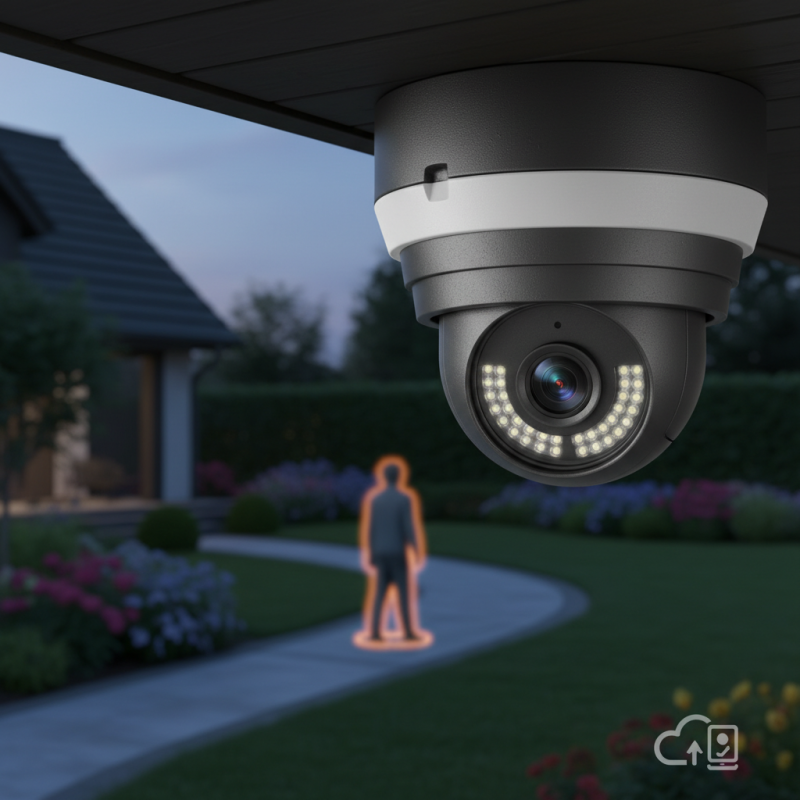
Cameras equipped with infrared technology can capture clear images even in darkness.
A report indicating that 60% of security incidents occur at night highlights the importance of this capability.
Additionally, consider the field of view.
Wide-angle lenses cover broader areas, reducing the number of cameras needed.
Storage options also warrant attention.
Cloud storage may offer convenience; however, local storage ensures access without internet reliance.
About 25% of users reported issues with cloud services during peak hours, making local options a reliable alternative.
Lastly, installation requirements can vary significantly, impacting functionality.
Often overlooked, these details influence overall effectiveness.
Do thorough research to choose the right features for your needs.
Understanding Resolution Types: HD, Full HD, and 4K Explained
When choosing a CCTV camera, understanding resolution types is essential. The most common resolutions are HD, Full HD, and 4K. HD resolution offers a decent clarity of 1280x720 pixels. It may not capture every detail, but it works for basic security needs. Full HD provides a significant upgrade, with 1920x1080 pixels. This resolution is better for identifying individuals. However, the quality can still decline in low-light conditions.
4K resolution, or Ultra HD, offers 3840x2160 pixels. This offers unparalleled clarity and detail. It’s especially beneficial in large areas where fine details are necessary. High resolution means more storage space is required. Consider your storage capacity and bandwidth as high-resolution cameras can consume a lot of data.
Tips for buyers: Gather information about what’s most important for your needs. Think about your environment; lighting affects image quality. Remember, a higher resolution doesn’t always equal better video for every situation. Sometimes, HD might be sufficient for certain areas.
Consider the lens type as well. Wider angles capture more area. But they may reduce quality at the edges. Research and weigh your options carefully before making a choice.
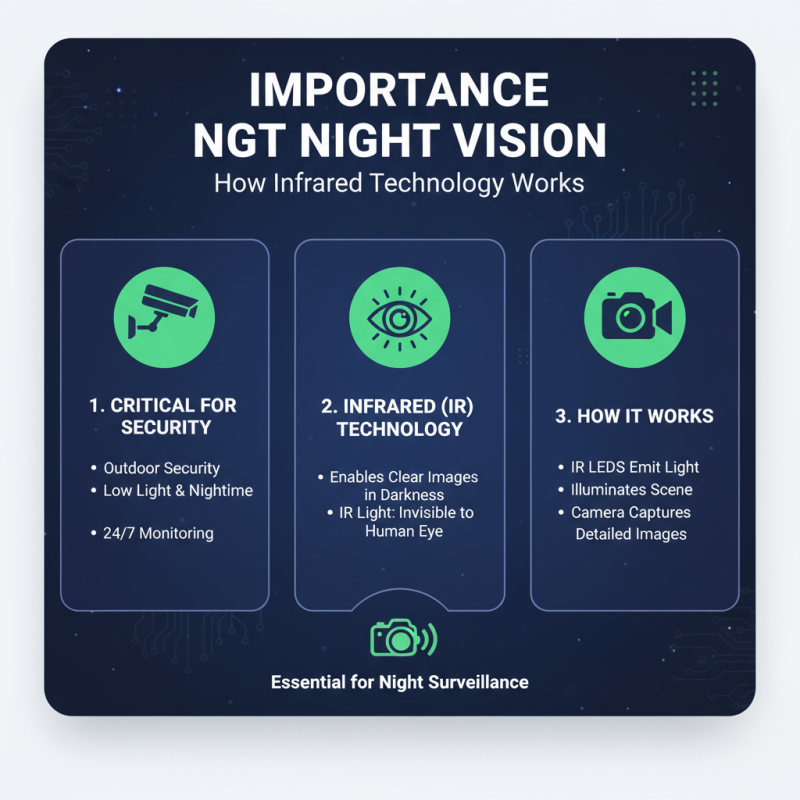
Importance of Night Vision: How Infrared Technology Works
Night vision capabilities are a critical feature in CCTV cameras, especially for outdoor security. Infrared (IR) technology enables cameras to capture clear images in low light. This is essential for monitoring areas during nighttime or in poorly lit conditions. Cameras equipped with IR LEDs emit infrared light, which is invisible to the human eye. These lights illuminate the scene, allowing the camera to generate detailed images.
Understanding how infrared technology works is fundamental for buyers. When darkness falls, standard cameras struggle to produce usable footage. However, those with night vision can automatically switch to IR mode. The resulting images may appear in grayscale. This adaptation is vital for security surveillance, providing a clearer view of potential threats. Challenges can arise with distance, as IR illumination has limits. Objects far away may not be as visible, and image quality can degrade.
Despite its advantages, infrared technology is not flawless. Reflections from surfaces can cause glare, affecting clarity. Additionally, extreme weather may hinder performance. It's important for buyers to consider these factors when assessing security needs. Awareness of these aspects helps ensure the chosen camera meets specific requirements for effective surveillance.
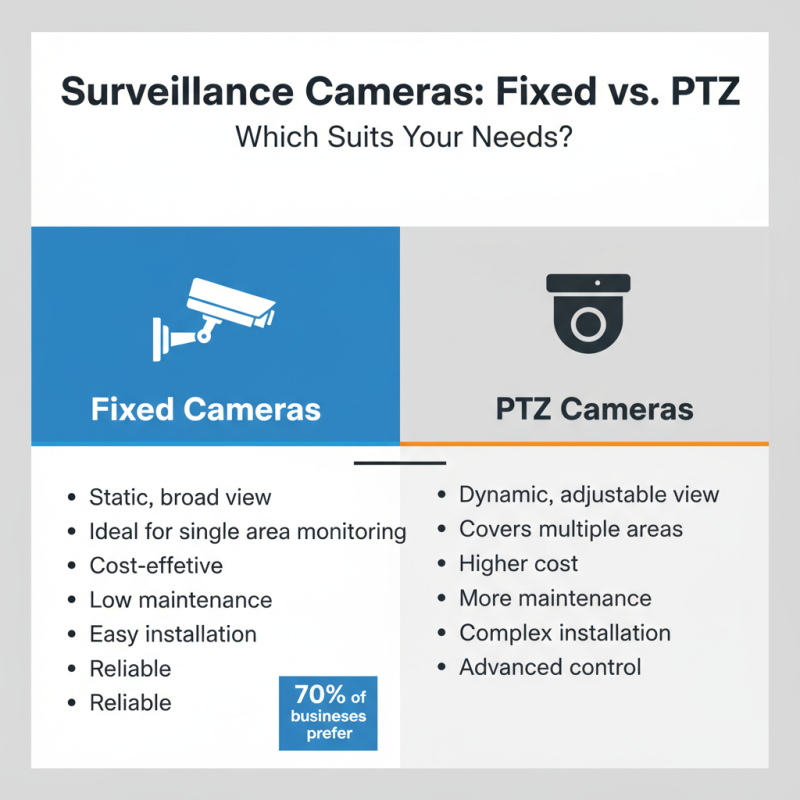
Evaluating Fixed vs. PTZ Cameras: Which Suits Your Needs?
When evaluating surveillance options, understanding fixed versus PTZ (pan-tilt-zoom) cameras is essential. Fixed cameras provide a static, broad view, ideal for monitoring a single area. They are cost-effective and require less maintenance. Reports indicate that around 70% of businesses prefer fixed cameras for their straightforward installation and reliability. These cameras are excellent for capturing constant footage in defined zones.
On the other hand, PTZ cameras offer versatility and dynamic coverage. They can pan across wide areas, tilt for different angles, and zoom in on specific subjects. This adaptability makes them suitable for larger spaces like parking lots or retail stores. However, they can be more complex to operate. In fact, studies show that 45% of users find the operational learning curve challenging.
Choosing between fixed and PTZ cameras hinges on specific needs. A static approach works for smaller spaces, while moving capabilities serve broader environments efficiently. Reflecting on these features helps ensure that your security strategy aligns with your surveillance requirements. It’s crucial to analyze your environment to determine what best fits your criteria.
Storage Options for CCTV Footage: Cloud vs. Local Solutions
Choosing the right storage solution for CCTV footage is critical for effective surveillance. Two primary options are
cloud storage and local storage. Each method has distinct advantages and challenges.
Cloud solutions offer flexibility and remote access. You can view footage from anywhere at any time.
However, reliance on the internet can be a downside. If your connection is slow or interrupted, accessing recordings may become problematic.
Local storage, on the other hand, provides direct control over data. This option can be more secure as it is not exposed to potential cybersecurity threats.
However, it may require significant investment in hardware. Users also face the risk of data loss from equipment malfunctions. Additionally, managing storage space can be complex.
Footage needs regular reviewing and deleting.
In considering your CCTV needs, weigh both options carefully. Evaluate your priorities: Do you need accessibility or security?
Each option has a trade-off that demands reflection. The right choice ultimately supports your overall surveillance strategy.