Top 10 Tips for Choosing the Best CCTV Camera for Your Home Security
When it comes to enhancing home security, selecting the right CCTV camera is paramount. According to security expert Dr. Jane Foster, "A quality CCTV camera can act as your first line of defense, not just to deter burglars but also to provide you with peace of mind." With a multitude of options available in today’s market, making an informed decision can feel overwhelming. Understanding the unique benefits, functionalities, and specifications of different cameras is essential for any homeowner looking to safeguard their property.
Choosing the best CCTV camera requires careful consideration of several key factors including resolution, field of view, indoor versus outdoor capabilities, and night vision. Each aspect plays a crucial role in delivering effective surveillance. Moreover, it's important to consider installation and maintenance requirements, as well as integration with smart home systems. In this guide, we will explore the top 10 tips to help you navigate the complexities of selecting the ideal CCTV camera for your home security needs, ensuring that you make a choice that effectively protects your loved ones and property.
Understanding the Importance of CCTV Cameras in Home Security
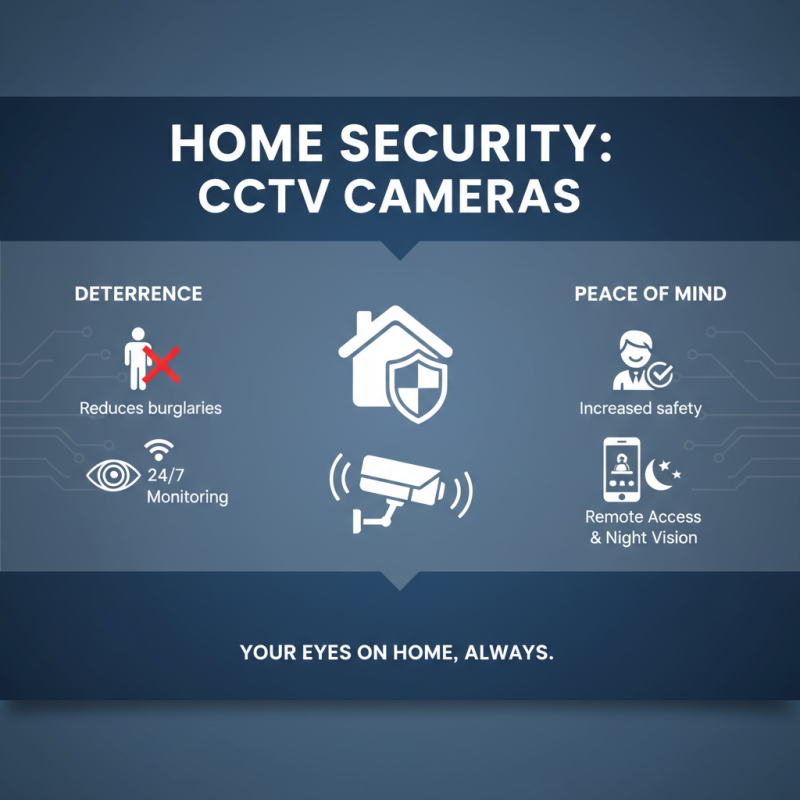
CCTV cameras have become an essential part of home security systems, providing homeowners with peace of mind and a sense of safety. Their importance cannot be overstated, as they act as a deterrent to potential intruders while also enabling you to monitor your property effectively. The presence of visible surveillance can significantly reduce the likelihood of burglaries, as many criminals avoid properties equipped with cameras. Additionally, modern CCTV systems often come with features like remote access and night vision, making them ideal for enhancing security around the clock.
When selecting a CCTV camera for your home, consider the field of view. Cameras with a wide-angle lens can cover more area, minimizing blind spots. It's also crucial to choose a camera with high resolution to ensure clear images that can aid in identifying intruders. Another tip is to think about the camera's placement; strategic positioning can greatly influence the effectiveness of your surveillance. Lastly, ensure that the cameras are weatherproof if they are installed outdoors to withstand various environmental conditions.
Overall, the right CCTV camera can be a game changer in your home security plan, offering not just surveillance, but also a sense of control over your living environment.
Factors to Consider When Choosing the Right CCTV Camera
When selecting the right CCTV camera for your home security, several key factors come into play. One of the most important considerations is the camera type. Different types of cameras serve different purposes; for example, dome cameras are ideal for indoor use as they blend into the environment, while bullet cameras are suited for outdoor areas, offering a more visible deterrent. Additionally, examine the resolution of the camera. Higher resolution provides clearer images, which is crucial for identifying faces or license plates during an incident.
Another vital factor is the camera's night vision capability. Most home security incidents occur after dark, so investing in a camera that can capture clear images in low light conditions will enhance your security system significantly. Also, consider the field of view. A camera with a wide-angle lens can cover more area, reducing the number of cameras needed to monitor your property effectively.
Lastly, pay attention to connectivity options. Many modern CCTV systems offer Wi-Fi connectivity, allowing you to monitor your home remotely using a smartphone app. This feature enables real-time alerts and access to live footage, adding an extra layer of convenience and security. Taking these factors into account will ensure you choose the best CCTV camera tailored to your specific home security needs.
Types of CCTV Cameras and Their Suitable Applications
When selecting the best CCTV camera for home security, understanding the various types of cameras and their suitable applications is crucial. There are several types of CCTV cameras available, each designed to meet specific needs and scenarios. For instance, dome cameras are popular for indoor environments because of their discreet appearance and wide coverage, making them ideal for monitoring shopping centers and office spaces.
Conversely, bullet cameras are known for their long-range viewing capabilities and are commonly used for outdoor surveillance, providing a clear view of entrances and perimeters.
Another important category is PTZ (pan-tilt-zoom) cameras, which offer significant flexibility. These cameras can be remotely controlled to pan, tilt, or zoom in on specific areas, making them suitable for monitoring large open spaces like parking lots or backyards.
Additionally, there are also specialized cameras such as thermal or infrared cameras that can capture clear images in low-light conditions, essential for nighttime security. By identifying the specific requirements and characteristics of each type of camera, homeowners can make informed decisions that enhance their overall security systems.
Assessing Camera Features for Optimal Home Surveillance
When choosing a CCTV camera for home security, a thorough assessment of features is crucial for ensuring optimal surveillance. One key factor to consider is resolution. Cameras with higher resolutions, such as 1080p or 4K, provide clearer images that are essential for identifying faces and details in various lighting conditions. Additionally, consider the field of view; cameras with wider angles can cover more area, reducing the number of cameras needed for complete coverage.
Another essential feature is night vision capability. Most intrusions occur after dark, making this function vital for home security. Look for cameras equipped with infrared sensors or low-light capabilities to provide clear footage even in total darkness. Motion detection and alert systems can enhance your surveillance by notifying you immediately when movement is detected, allowing for prompt responses. Finally, consider storage options, as having enough space for recorded footage allows you to review incidents after they occur, ensuring that you have all necessary evidence readily available.
Budgeting for Your Home CCTV System: Cost vs. Value
When planning your home CCTV system, budgeting is a crucial aspect that directly influences the quality and effectiveness of your setup. It's essential to evaluate the total cost involved—not just the price of the cameras, but also installation, storage solutions, maintenance, and potential upgrades. A well-thought-out budget allows you to balance your funds between high-quality components that may have a higher upfront cost and affordable options that may not offer the same level of protection or functionality.
Investing in a reliable CCTV camera is about understanding its value rather than merely its price tag. Cheap cameras might save money initially, but they can lead to higher costs down the line if they require frequent replacements or fail to capture crucial footage due to poor quality. Weighing the long-term benefits—such as enhanced surveillance capabilities and peace of mind—against the initial expenditure can help you make an informed decision. A sophisticated system that fits within your budget can provide better protection, offering a more significant return on investment in the long run.
Budgeting for Your Home CCTV System: Cost vs. Value