Essential Tips for Choosing the Best 4g Wireless Camera for Your Needs
When it comes to enhancing home security or capturing breathtaking outdoor scenes, a 4G Wireless Camera can be an invaluable tool. With the ability to transmit high-quality video footage over cellular networks, these cameras provide the flexibility and convenience that traditional wired systems often lack. Whether you are monitoring your property in a remote location or simply want the peace of mind that comes with knowing your home is secure, selecting the right 4G Wireless Camera is crucial.
In this guide, we will explore essential tips and considerations that will help you make an informed decision when choosing a 4G Wireless Camera tailored to your specific needs. From understanding the key features and specifications to evaluating the importance of image quality and battery life, each element plays a significant role in ensuring you get the best performance from your camera. By taking the time to assess your requirements and the available options, you can select a camera that not only meets your expectations but also enhances your overall surveillance experience.
Understanding the Basics of 4G Wireless Cameras
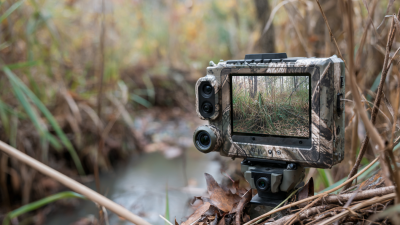
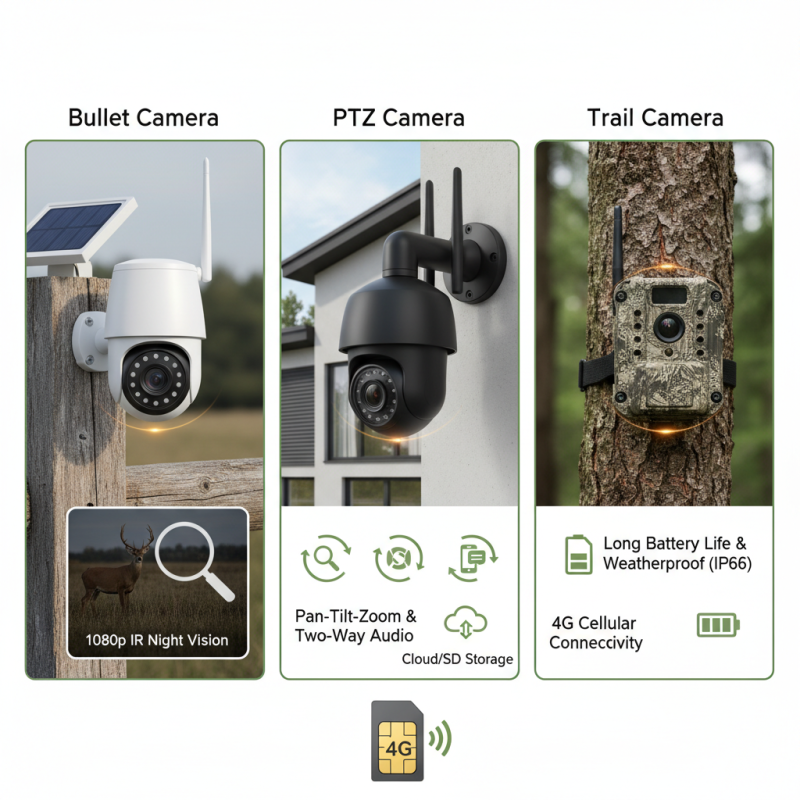
When considering the purchase of a 4G wireless camera, it's crucial to understand the fundamental characteristics that differentiate these devices. A 4G wireless camera utilizes cellular networks to transmit video and images, allowing for real-time monitoring from nearly anywhere with network coverage. This capability makes them particularly valuable for remote locations or areas without reliable Wi-Fi access, providing flexibility and ease of use for various applications like home security, wildlife monitoring, and construction site oversight.
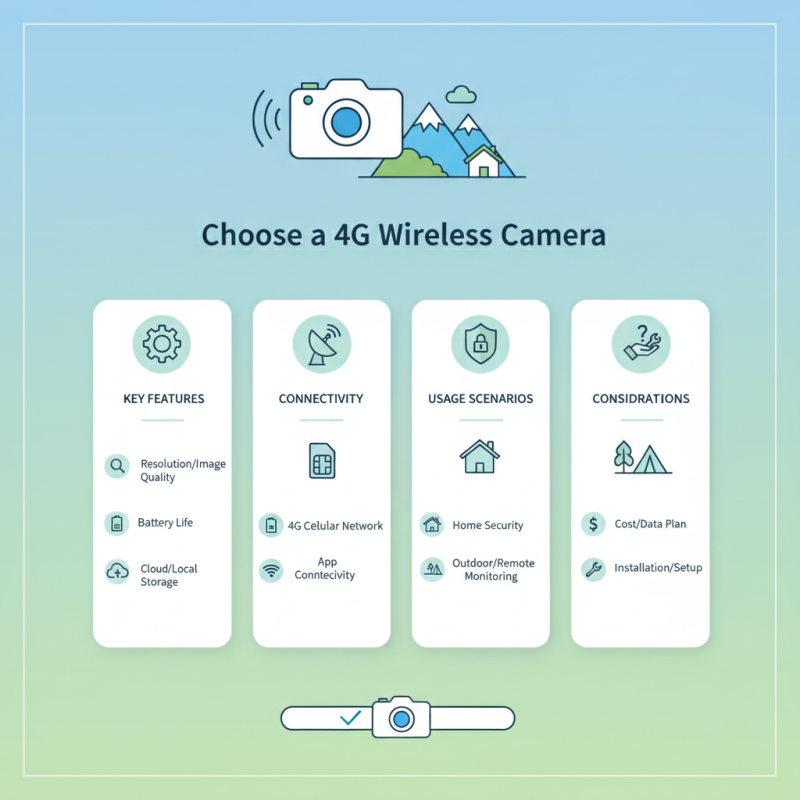
When choosing the best 4G wireless camera for your needs, keep these tips in mind. First, ensure the camera has a robust network compatibility with your local cellular providers. This ensures smooth and uninterrupted data transmission. Additionally, consider the camera's resolution and image quality. High-definition images are vital for clear identification and analysis, particularly in surveillance scenarios. Another critical aspect to evaluate is battery life and power options, especially if the camera will be placed in locations where frequent charging or power supply is challenging.
As you narrow down your options, look for models that offer additional features, such as night vision, motion detection, and cloud storage options. These features can enhance the functionality of your camera and make it more adaptable to your specific monitoring needs. Always remember to also review user feedback and experiences to get insights into the reliability and performance of the cameras you're considering.
Key Features to Consider in a 4G Wireless Camera
When selecting a 4G wireless camera, several key features should be carefully evaluated to ensure it meets your specific needs. One of the most critical factors is the camera's resolution. For high-quality images and videos, look for a camera with at least 1080p resolution, as studies indicate that enhanced resolution significantly improves the clarity and detail captured, making it easier to identify subjects in various conditions.
Another vital feature to consider is the camera's night vision capabilities. According to industry reports, around 60% of surveillance footage is captured in low-light conditions. Cameras equipped with infrared (IR) technology or those offering color night vision ensure effective monitoring even after dark. Additionally, battery life and power options are essential; a good 4G wireless camera should provide at least 6-12 hours of continuous recording on battery power alone, allowing for reliable performance during extended periods without electrical access.
Connectivity and mobile app support also play crucial roles in the functionality of a 4G wireless camera. A seamless mobile experience maximizes the potential of remote access, and features like real-time alerts and cloud storage can enhance your monitoring experience. Research suggests that users who are situated far from their cameras notice a significant improvement in operational convenience when their cameras feature robust mobile integration, ensuring that essential footage is always just a tap away.
Evaluating Camera Resolution and Image Quality Standards
When selecting a 4G wireless camera, evaluating
camera resolution and image quality is crucial in
making an informed choice. According to research conducted by the
Image Quality Assessment (IQA) forum, high-resolution images are essential for ensuring
clear identification of faces and objects, which is particularly important in surveillance applications.
 Cameras with a resolution of at least 1080p (1920x1080 pixels)
are generally recommended, as this standard provides a good balance between clarity and data usage.
As noted in a report by Research and Markets, the growing demand for high-definition video
monitoring has led to a significant increase in the production of cameras capable of 4K resolution,
offering four times the pixel density of 1080p.
Cameras with a resolution of at least 1080p (1920x1080 pixels)
are generally recommended, as this standard provides a good balance between clarity and data usage.
As noted in a report by Research and Markets, the growing demand for high-definition video
monitoring has led to a significant increase in the production of cameras capable of 4K resolution,
offering four times the pixel density of 1080p.
Image quality also involves more than just resolution; factors such as low-light performance,
lens quality, and frame rate must be considered.
A camera's ability to capture clear images in varying lighting conditions is vital for maintaining visual clarity
at any time of day. Many security experts suggest that a camera should maintain performance in low-light conditions
down to 0.01 lux for adequate nocturnal visibility. Additionally,
a frame rate of at least 30 frames per second
is recommended to ensure smooth video playback during critical situations. The combination of high resolution,
low-light capability, and adequate frame rates leads to overall improved image quality, essential for effective monitoring
and surveillance.
Assessing Battery Life and Power Options for Longevity
When selecting a 4G wireless camera, one of the most critical aspects to consider is the battery life and power options. A camera that runs out of battery quickly may not fulfill your monitoring needs, especially in situations where continuous operation is required. Many cameras offer varying battery capacities, so it is vital to assess how long the camera can function on a single charge.
Look for models that provide specifications indicating their battery life under regular usage conditions, and consider factors like the frequency of motion detection or video recording, as these can greatly influence battery performance.
Additionally, power options play a significant role in the longevity of your wireless camera. Some models come with the ability to be powered by solar energy or offer the option for external battery packs that can extend usage significantly. This is particularly beneficial for outdoor settings where access to traditional electrical outlets may be limited. Evaluating these power options helps ensure that your 4G wireless camera remains reliable over time, reducing the frequency of recharges and the chance of missing crucial moments due to power failures.
Compatibility and Integration with Existing Systems
When selecting a 4G wireless camera, the compatibility and integration with your existing systems is a crucial factor to consider. Ensure that the camera can seamlessly connect with your current network infrastructure, whether it involves a home automation system, a security hub, or other IoT devices. Compatibility extends beyond just connectivity; it includes how well the camera can integrate with software solutions you may already be using, such as video storage options or surveillance apps.
Investigate any potential limitations in terms of shared protocols or communication standards that may hinder effective integration.
Moreover, it is essential to examine the ease of setup and the user interface that accompanies the camera. A camera that can be quickly added to your existing setup with minimal technical skills can save you time and frustration. Consider whether the camera allows for cloud integration or has local storage capabilities, as these features can enhance its usability within your current ecosystem.
Reading user reviews and product specifications can offer insights into how well the camera performs in a multi-device environment, ensuring that your choice aligns with both your current and future needs.