What is a Solar Camera With Zoom and Its Benefits?
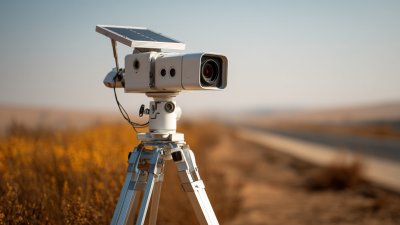
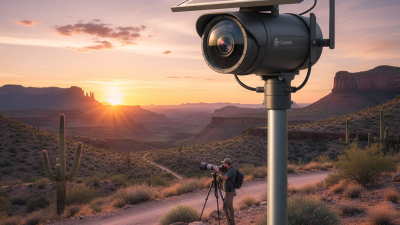
The Solar Camera With Zoom represents a significant advancement in photography technology. This camera utilizes solar energy, making it an eco-friendly option for outdoor enthusiasts. Its ability to zoom allows users to capture distant subjects with clarity. Imagine a hiking trip where you can easily photograph wildlife without worrying about battery life.
The convenience of a Solar Camera With Zoom makes it ideal for various environments. From beaches to forests, it can perform in different lighting conditions. This versatility enhances the overall photography experience. However, some users may find it difficult to adapt to the camera's settings, especially when zooming in on moving subjects.
Embracing a Solar Camera With Zoom means considering its limitations as well. While solar power is sustainable, charging can be slow compared to traditional options. Users might need to plan their outings carefully. Understanding both the benefits and challenges of this technology can lead to smarter choices in outdoor photography.

What is a Solar Camera With Zoom?
A solar camera with zoom is an innovative device that utilizes solar energy. It is designed for outdoor use, ideal for both security and wildlife observation. The main feature is its zoom capability, which allows users to capture detailed images from a distance. This is especially useful in nature photography, where subjects may be skittish or difficult to approach.
One key benefit is its sustainability. By harnessing solar power, it operates without the need for traditional energy sources. This makes it great for remote locations where power supply options are limited. It can continuously record without worrying about battery life. However, performance can dip during cloudy days. Users might find themselves having to adjust their expectations at times.
The technology behind these cameras is advancing, but it is not without flaws. Image quality can vary based on lighting conditions. Nighttime performance often leaves much to be desired. Some users might experience frustration when trying to access stored images. Overall, while a solar camera with zoom offers unique advantages, it's essential to recognize its limitations. Embracing these imperfections can lead to better planning and improved usage.
Benefits of Solar Cameras with Zoom
The bar chart above illustrates the benefits of solar cameras with zoom functionality. Each benefit is rated on a scale from 1 to 10, showcasing their importance in contemporary surveillance and monitoring solutions. High resolution ranks the highest due to its necessity for clear image capture, followed closely by energy efficiency and environmental friendliness.
Key Features of Solar Cameras with Zoom Technology
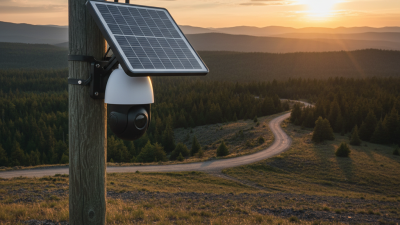
Solar cameras with zoom technology are revolutionizing the way we capture images in remote areas. Equipped with photovoltaic panels, these cameras harness solar energy, making them ideal for outdoor use. According to a report by MarketsandMarkets, the solar camera market is projected to grow significantly, driven by the increasing demand for energy-efficient solutions.
Key features of solar cameras with zoom include high-resolution sensors and adjustable zoom capabilities. These cameras can capture detailed images from a distance. For example, a 20x optical zoom allows users to observe animals or landscapes without disturbing their environment. This feature is crucial for wildlife monitoring, which often requires a discreet approach.
Another essential aspect is the ability to store images and data securely. Many solar cameras come with built-in storage or cloud services. This ensures that critical data is preserved, even in remote locations. However, some users report challenges with connectivity in isolated areas. Addressing these issues is vital for enhancing the reliability of solar cameras. This combination of sustainability and photography makes solar cameras with zoom a valuable tool for professional and amateur photographers alike.
Industry Applications of Solar Cameras: A Focus on Sustainability
Solar cameras are evolving, offering unique features for various industries. They harness renewable energy, making them ideal for remote locations. Their zoom capabilities enhance monitoring tasks without needing electricity. This innovation supports sustainability goals while delivering quality images.
In agriculture, solar cameras provide real-time surveillance of crops. Farmers monitor irrigation, pest issues, and crop health with ease. However, inconsistent sunlight can limit functionality. Regular maintenance becomes crucial to ensure they are operational year-round. This is a challenge, yet the benefits often outweigh the concerns.
In wildlife conservation, solar cameras play a vital role. They capture images of endangered species without disturbing their environment. Such cameras aid researchers in tracking animal behavior. Nevertheless, the technology still faces hurdles. Image clarity can suffer in low light conditions. This remains a critical area for improvement.
Benefits of Using Solar-Powered Zoom Cameras in Remote Locations
Solar-powered zoom cameras offer unique advantages in remote locations. These cameras harness sunlight, ensuring continuous operation without relying on traditional power sources. This makes them ideal for wildlife photography, monitoring environmental changes, or even security purposes in isolated areas.
Using solar-powered zoom cameras also minimizes the environmental impact. They reduce dependency on batteries and fossil fuels. This is crucial in preserving outdoor ecosystems. Additionally, these cameras are often equipped with features like motion detection, which helps capture significant events without manual intervention.
Tips: When using a solar camera, ensure optimal sunlight exposure for best performance. Regularly clean the solar panels to prevent dirt buildup. Also, consider the camera’s zoom capabilities to suit your specific needs. Adjusting the settings can enhance image quality significantly. Aim for high-resolution photos, especially in low-light situations, where adjustments may be necessary.
Market Trends: Growth of Solar Camera Technology in the Next Decade
The market for solar camera technology is experiencing significant growth. This trend is driven by increased awareness of sustainability and energy efficiency. As people seek eco-friendly solutions, solar cameras are becoming more prominent. They offer an innovative way to capture images while minimizing energy consumption.
In the next decade, the adoption of solar cameras is expected to accelerate. These devices often feature zoom capabilities, adding versatility to photography. Users appreciate the ability to take high-quality images from a distance without relying on traditional power sources. Furthermore, the integration of solar technology can enhance the user experience by reducing the need for frequent battery changes.
However, challenges remain. The efficiency of solar panels can vary based on location and weather conditions. This variability can impact the reliability of solar cameras, particularly in less sunny regions. Users must assess their specific needs when considering these devices. Overall, the growth of solar camera technology is promising but requires careful consideration.