Why Should You Install a Surveillance Camera in Your Home Today?
In today's world, ensuring the safety and security of our homes has become more crucial than ever. One of the most effective measures to protect your living space is to install a surveillance camera. These devices not only deter potential intruders but also provide peace of mind, knowing that you have a reliable means of monitoring your property. A surveillance camera can capture crucial footage that may prove invaluable in the event of an incident, making it a critical addition to any home security strategy.
Furthermore, the advancements in surveillance camera technology have made them more accessible and user-friendly. Many modern cameras come equipped with features such as remote viewing, motion detection, and night vision, making it easier than ever to keep an eye on your home from virtually anywhere. By investing in a surveillance camera today, you are taking a proactive step towards safeguarding your family and belongings, allowing you to enjoy your home with greater confidence and tranquility. Ultimately, the decision to install a surveillance camera is not just about protection; it is about creating a secure environment where you and your loved ones can thrive.
Benefits of Installing Surveillance Cameras in Your Home
The installation of surveillance cameras in residential properties has become increasingly popular, driven by a variety of compelling benefits. According to a report by the Security Industry Association, nearly 60% of homeowners believe that having security cameras significantly enhances their peace of mind. The presence of visible cameras can deter potential intruders, as a survey by the University of North Carolina found that 60% of burglars would avoid homes with security systems in place. This aligns with the overarching idea that a proactive approach to security can protect not only against theft but also against other crimes.
In addition to deterrence, surveillance cameras provide valuable evidence in the event of a crime. The Bureau of Justice Statistics reports that video recordings can assist law enforcement in swiftly identifying and apprehending suspects. Furthermore, many modern surveillance systems offer remote monitoring capabilities, allowing homeowners to keep an eye on their properties in real time through their smartphones. This feature is not only useful for deterring crime but also for monitoring package deliveries and ensuring the safety of children or pets while you are away. By integrating surveillance cameras into home security systems, homeowners can significantly enhance their security and gain greater control over their living environment, leading to a more secure lifestyle.
| Benefit |
Description |
Impact |
| Increased Security |
Deters crime by providing visible security measures. |
Reduction in break-ins and theft. |
| Remote Monitoring |
Access live footage from anywhere using mobile devices. |
Peace of mind when away from home. |
| Evidence Collection |
Records footage of any incidents for legal purposes. |
Aids in law enforcement investigations. |
| Insurance Benefits |
May lower premiums due to enhanced security. |
Cost savings in home insurance expenditures. |
| Monitoring Children and Pets |
Keep an eye on children and pets while at work. |
Improved safety and reassurance. |
| Enhanced Property Value |
Updated security features can increase home value. |
Attract potential buyers in the real estate market. |
Factors to Consider Before Choosing a Surveillance Camera
When considering the installation of a surveillance camera in your home, several key factors should guide your choice.
First, assess the areas you wish to monitor. Different environments may require different camera features such as night vision capabilities, motion detection, or weather resistance. For instance, outdoor cameras should be durable enough to withstand various weather conditions, while indoor cameras can focus more on capturing clear images in low light.
Another crucial factor is the camera’s connectivity options. Today’s surveillance systems often come equipped with wireless capabilities, allowing for remote access through smartphones or computers. This feature is particularly beneficial for homeowners who travel frequently or want to keep an eye on their property in real-time.
Additionally, consider the extent of storage options; some cameras offer cloud storage while others use local storage methods. Making informed decisions based on these considerations will enable you to select the best surveillance camera that meets your home security needs.
Types of Surveillance Cameras for Home Use
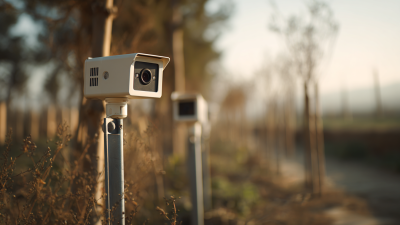
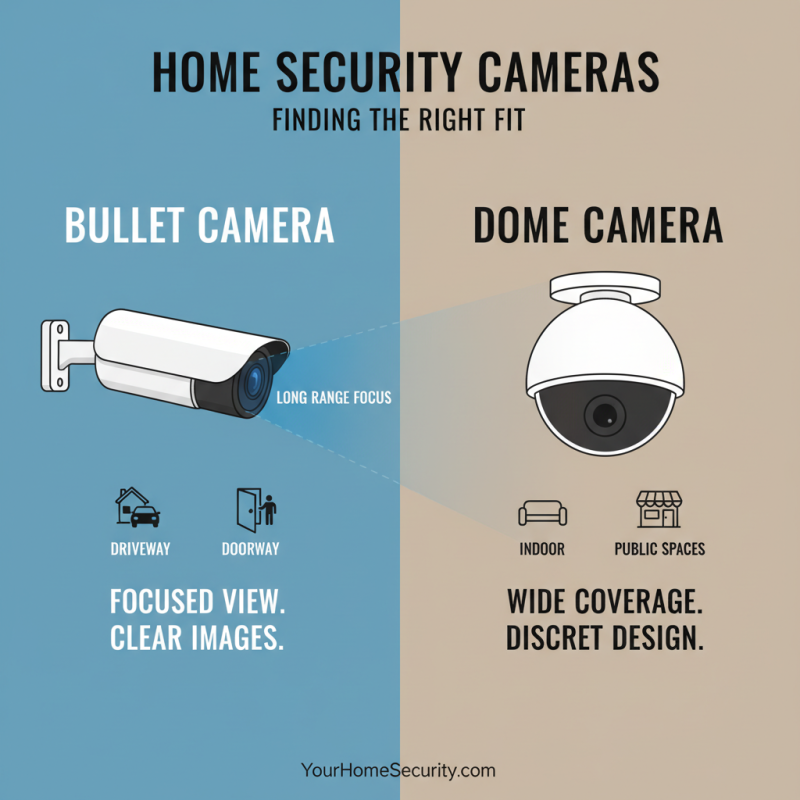
When considering the installation of a surveillance camera in your home, it's essential to understand the various types available, each designed to meet different needs. One popular option is the bullet camera, known for its long-range capabilities and distinct shape. This type is ideal for monitoring specific areas like driveways or doorways due to its focused lens, providing clear images that are easy to identify.
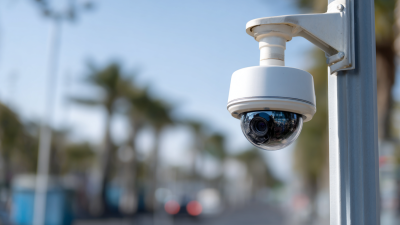
Another common choice is the dome camera, which offers a discreet appearance suitable for indoor settings. Their wide-angle lenses allow for a broader viewing field, making them effective in monitoring larger rooms. Additionally, many dome cameras come with features such as infrared night vision, ensuring that your property is monitored even in low-light conditions. For those looking for flexibility, PTZ (Pan-Tilt-Zoom) cameras are an excellent option, allowing users to adjust the camera's direction and zoom level remotely, effectively tracking movement across a larger area. These varied options empower homeowners to enhance their security measures tailored to their specific preferences and environments.
How Surveillance Cameras Enhance Home Security
Surveillance cameras have become an essential component of modern home security systems. By providing real-time monitoring and recording of activities around your property, these cameras serve as a powerful deterrent against potential intruders. The mere presence of a surveillance camera can significantly reduce the likelihood of a burglary, as most criminals tend to avoid properties that are clearly being monitored.
In addition to deterring criminal activity, surveillance cameras enhance security by providing homeowners with peace of mind. With the ability to access live feeds and recorded footage remotely through smartphones or computers, homeowners can stay connected to their property no matter where they are. This level of accessibility allows for proactive responses to suspicious activities, ensuring that you can take action promptly if needed. Furthermore, many cameras are equipped with advanced features like motion detection and night vision, which enhance their effectiveness in monitoring your home at all hours, making your living space safer and more secure.
Legal and Ethical Considerations for Home Surveillance Systems
The installation of surveillance cameras in residential settings has become increasingly common, yet it raises significant
legal and ethical questions that homeowners must consider.
According to a report by the Security Industry Association, over 60% of American households own at least one security camera,
highlighting its growing acceptance. However, as these devices become more ubiquitous, understanding the legal implications of their use
is crucial. Homeowners must ensure that their surveillance practices do not infringe on the privacy rights of others.
For instance, capturing footage of areas outside one’s property, such as sidewalks and neighboring yards, could potentially lead to
legal disputes or privacy violations.
Moreover, ethical considerations extend beyond mere legality. Owning a surveillance system can impact the dynamic
between residents and their neighbors, creating an atmosphere of distrust or surveillance culture.
A survey by the Pew Research Center found that 54% of adults believe that having cameras in their neighborhoods makes them feel less secure.
Homeowners should weigh the benefits of enhanced security against the potential societal implications of creating a monitored environment.
Therefore, engaging with community norms and maintaining open communication with neighbors about
surveillance intentions can help mitigate ethical concerns while providing peace of mind.