Indoor Solar CCTV Cameras Showcase at 139th Canton Fair?
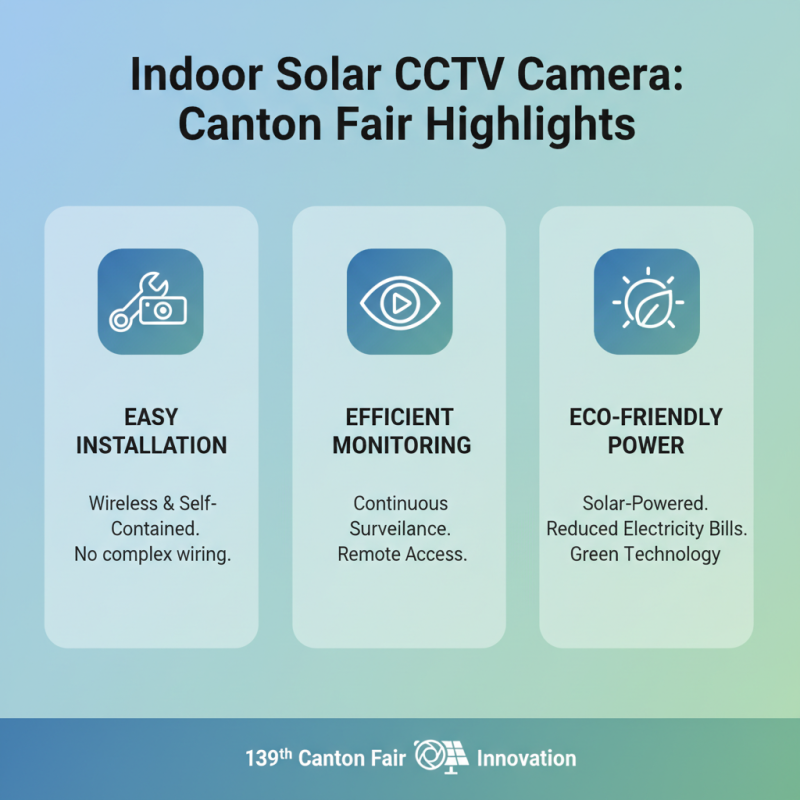
The 139th Canton Fair is set to highlight innovative products, including the Indoor Solar CCTV Camera. This event, occurring from April to May 2026, focuses on advanced manufacturing and electronic appliances. Indoor Solar CCTV Cameras represent a significant advancement in home security technology, merging sustainability with surveillance.
At the fair, attendees will view cutting-edge designs and functionalities. The Indoor Solar CCTV Camera features energy efficiency and wireless capabilities, making it a practical choice for eco-conscious consumers. However, it’s essential to reflect on privacy concerns that arise with these technologies. The balance between security and personal space remains a critical conversation.
The introduction of AI in the Canton Fair enhances the experience. Buyers can quickly identify suppliers with certifications like ISO and CE. This improved navigation streamlines the process of exploring new products. Yet, there may be challenges in sourcing the best options amid so many innovations. How companies address these issues will be crucial for future success.
Indoor Solar CCTV Cameras: Market Trends and Innovations
Indoor solar CCTV cameras are gaining traction in the security market. With rising interest in renewable energy, these devices are becoming more popular. They are not only eco-friendly but also offer cost-effective solutions. Many homeowners are looking for easy installations. Solar power helps eliminate the hassle of wiring.
Recent trends show a shift towards smart technology in CCTV systems. Features like remote monitoring and motion detection are common. There’s a noticeable demand for enhanced video quality. Users are also seeking systems with better night vision capabilities. The integration of AI technologies, such as facial recognition, is still evolving. These advancements create a blend of convenience and advanced security.
However, there are challenges to consider. Solar panels depend on sunlight. Areas with limited sunlight may face difficulties. Some users report battery life issues in cloudy conditions. Installation requirements can also vary significantly. It’s vital to assess your environment carefully. Not all products currently meet the diverse needs of consumers. This reflects a growing need for innovation in the market.
Indoor Solar CCTV Cameras Market Trends and Innovations
| Feature |
Specification |
Market Trend |
Innovation |
| Power Source |
Solar-powered with battery backup |
Increasing demand for sustainable energy solutions |
Integration with smart home systems |
| Video Quality |
1080p HD resolution |
Shift towards higher resolution cameras |
AI-powered image enhancement |
| Connectivity |
Wi-Fi and Cloud storage options |
Growth in remote monitoring solutions |
Integration with mobile applications for notifications |
| Installation |
Easy DIY installation |
Preference for user-friendly products |
Tool-free installation mechanisms |
| Features |
Night vision, motion detection |
Increased focus on security features |
Advanced analytics for threat detection |
Key Features of Indoor Solar CCTV Cameras Demonstrated at Canton Fair
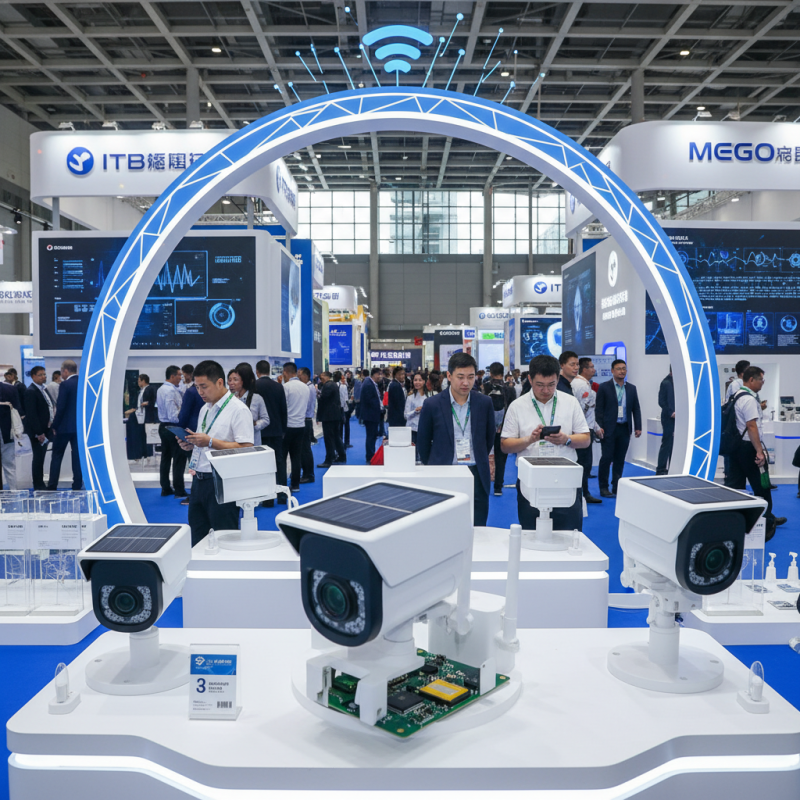
The 139th Canton Fair highlighted the innovative features of indoor solar CCTV cameras. These devices are designed for easy installation and efficient monitoring. Visitors were impressed by their sleek designs and ecological advantages. The cameras use solar panels, reducing reliance on electricity. This green technology appeals to environmentally conscious consumers.
One of the key selling points of these indoor cameras is their flexibility. They can be placed anywhere, thanks to their wireless nature. However, some users noted that solar efficiency can be affected by indoor lighting. Shadows from furniture may block sunlight, which is a concern. Users should carefully consider placement to maximize solar absorption.
Another attractive feature is the high-definition video quality. The clarity offered is essential for surveillance. Some attendees expressed curiosity about storage options for recorded footage. Battery life was also a point of discussion. With heavy usage, how long can they maintain performance? These questions highlight the need for ongoing product development in the solar CCTV market.
Comparative Analysis: Solar vs. Traditional Indoor CCTV Systems
In recent years, the market for indoor CCTV systems has evolved rapidly. A notable trend is the rise of solar-powered models. A report by Grand View Research indicates that the global CCTV market is expected to reach $44.15 billion by 2026. Within this growth, solar CCTV cameras present unique advantages and challenges.
Solar models are eco-friendly. They reduce energy costs. These cameras can operate independently, utilizing solar panels for power. This means they are less dependent on complex wiring. However, solar cameras require adequate sunlight to function optimally. In areas with limited light, traditional systems may still be more reliable.
Traditional indoor CCTV systems offer steadfast and uninterrupted surveillance. These cameras can be set up anywhere, regardless of sunlight availability. Numerous studies suggest these systems are more effective in low-light conditions. Yet, their reliance on external power supplies can lead to increased operational costs over time. This presents an interesting dilemma for potential users. Balancing cost, reliability, and environmental impact is crucial. Exploring these factors can help consumers make informed decisions.
Impact of Environmental Sustainability on Indoor Surveillance Solutions
The growing demand for environmental sustainability greatly impacts indoor surveillance solutions. Recent studies suggest that the global market for solar-powered CCTV cameras is expected to reach $1.2 billion by 2026. This trend highlights a shift towards energy-efficient technology. Solar-powered systems reduce carbon footprints significantly. They help companies cut costs on electricity bills.
Yet, the adoption of these systems isn't without challenges. Many consumers remain skeptical about solar technology's reliability. In areas with insufficient sunlight, performance can lag. There is an ongoing debate regarding battery storage capabilities. Providing adequate backup for nighttime surveillance remains a concern. It’s crucial for manufacturers to address these issues to build trust.
Additionally, the need for eco-friendly materials in camera production is rising. A report reveals that 70% of consumers prefer sustainable products. This statistic urges the industry to rethink manufacturing practices. Using recyclable materials can lower environmental impact. However, balancing cost and sustainability is a complex problem. Companies must find innovative ways to enhance their offerings sustainably.
Future Projections for Indoor Solar CCTV Camera Technology and Adoption
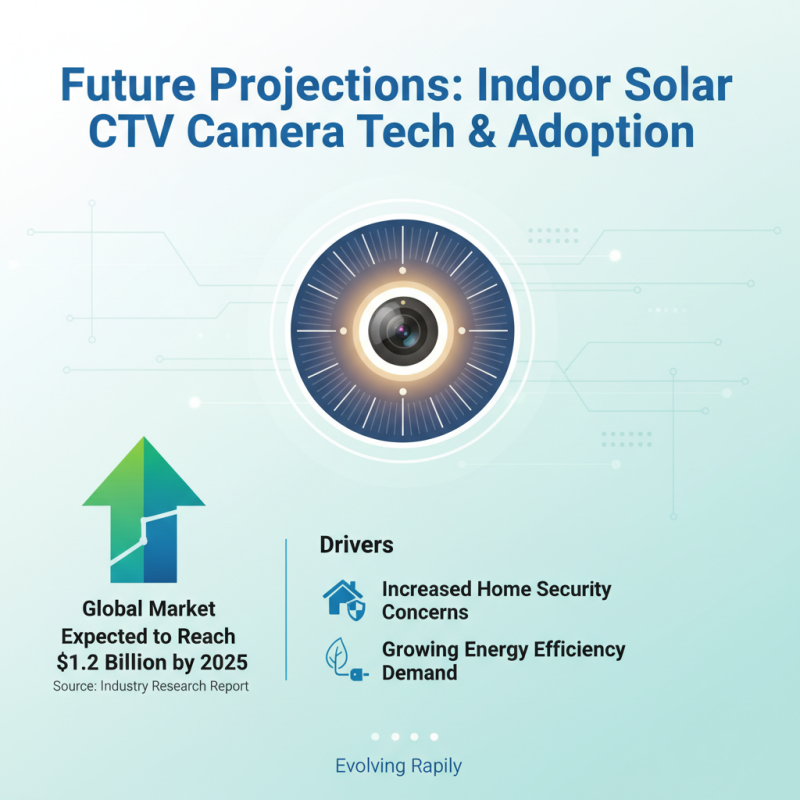
The indoor solar CCTV camera market is evolving rapidly. According to a report by Industry Research, the global market for solar security cameras is expected to reach $1.2 billion by 2025. This growth reflects increasing concerns about home security and energy efficiency.
Despite the promising outlook, challenges remain. Battery life and efficiency under varying indoor lighting conditions can impact performance. Additionally, the relationship between solar panel size and camera functionality needs to be further explored. Consumers may hesitate due to potential reliability issues during peak usage times, such as nighttime.
The adoption of indoor solar CCTV cameras could reshape security systems. Analysts predict that by 2025, over 25% of households will consider solar-powered options. This shift could foster greater innovation and lead to more compact and efficient designs. However, manufacturers must address performance standards and customer education to foster trust in this emerging technology.