10 Essential Tips for Choosing the Right Southeast 4G Solar Camera
When it comes to enhancing security and monitoring in outdoor environments, a Southeast 4G Solar Camera stands out as a practical solution. These innovative devices leverage solar energy, allowing them to operate in remote locations without the need for conventional power sources. As the demand for efficient and sustainable surveillance options increases, it's crucial to understand the key factors that influence the selection of the ideal 4G solar camera for your needs.
In this guide, we will explore essential tips to help you navigate the various features and specifications of Southeast 4G Solar Cameras. From assessing camera resolution and connectivity options to understanding battery life and weather resistance, each aspect plays a vital role in ensuring that you choose a camera that not only meets your security requirements but also integrates seamlessly into your environment. By the end of this article, you will be equipped with the knowledge necessary to make an informed decision in selecting the right Southeast 4G Solar Camera for your specific monitoring needs.
Key Features to Look for in a Southeast 4G Solar Camera
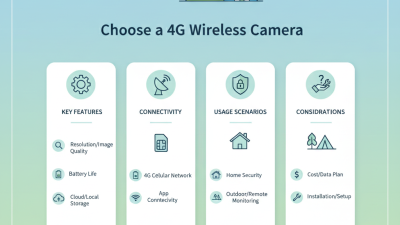
When selecting a Southeast 4G solar camera, it's crucial to focus on key features that ensure optimal performance and reliability. First and foremost, consider the camera's resolution. A higher resolution provides clearer images and better detail, which is essential for surveillance purposes. Additionally, look for cameras with night vision capabilities, allowing you to monitor areas even in low-light conditions. This feature is particularly invaluable for outdoor settings where lighting may vary significantly.
Another important aspect to examine is the camera's battery life and solar panel efficiency. A well-designed solar panel should harness enough sunlight to keep the camera operational throughout the day and night, minimizing downtime. Furthermore, consider the data storage options available. Many modern cameras come with cloud storage solutions or local storage options, giving you flexibility in how you manage recorded footage. Lastly, ensure that the camera has a durable, weather-resistant build to withstand the varying environmental conditions typical in Southeast regions, thereby guaranteeing long-term reliability.
Understanding Battery Life and Solar Efficiency
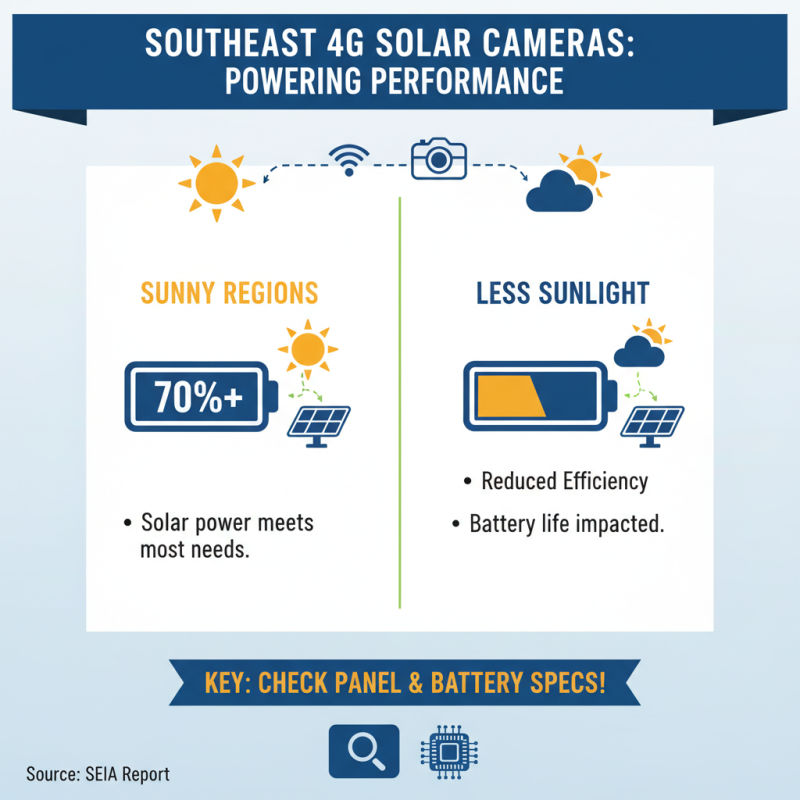
When selecting a Southeast 4G solar camera, understanding battery life and solar efficiency is crucial for ensuring optimal performance in varying geographical conditions. A report by the Solar Energy Industries Association highlights that solar cameras can often obtain up to 70% of their power needs from solar energy alone in sunny regions. However, locations with lower sunlight exposure can significantly reduce the efficiency of solar panels, impacting battery life and overall functionality. Therefore, it is essential to analyze the specific solar panel capacity and battery specifications of the camera model under consideration.
Battery life is measured in capacity and charge cycles, which directly influences how long the camera can operate without sunlight. The average lithium-ion battery used in solar cameras has a lifespan of about 2 to 3 years, with many able to deliver around 20,000 mAh. This capacity can support extended recording times, but one must consider the camera's energy consumption, which can vary significantly. According to a study published in the Journal of Energy Storage, a well-calibrated solar camera can function for around 15 days without sunlight if it has adequate battery storage and power management features. Hence, understanding these elements helps consumers make informed decisions tailored to their specific environment and usage needs while maximizing the longevity and functionality of their solar-powered camera systems.
Evaluating Image Quality and Resolution Options
When selecting a Southeast 4G solar camera, evaluating image quality and resolution options is crucial for ensuring optimal performance in various environmental conditions. High-resolution cameras generally provide clearer and more detailed images, which is especially important in security applications where facial recognition or license plate details could be necessary. According to industry reports, cameras with at least 1080p resolution are recommended for most surveillance needs, striking a balance between clarity and bandwidth requirements.
A significant factor to consider is the camera's low-light performance. Many cameras struggle in low-light conditions, leading to grainy images that can compromise the effectiveness of surveillance. Look for models that offer features such as infrared night vision or advanced low-light technology, which can significantly enhance image quality after sunset. Studies show that cameras equipped with these features provide up to 60% better night-time clarity, enabling consistent monitoring capabilities regardless of the time of day.
Tip: Consider the lens quality and the field of view when making your choice. A wide-angle lens can provide broader coverage with fewer blind spots, while quality construction materials will ensure durability. Another tip is to check for adjustable resolution settings, allowing you to tailor the image quality based on your specific needs and the available bandwidth, enhancing both storage efficiency and real-time monitoring capabilities.
10 Essential Tips for Choosing the Right Southeast 4G Solar Camera - Evaluating Image Quality and Resolution Options
| Feature |
Description |
Image Quality |
Resolution Options |
| Low Light Performance |
Ability to capture clear images in dim lighting conditions |
Good |
1080p, 720p |
| Field of View |
Angle at which the camera can capture images |
Wide |
90°, 120° |
| Motion Detection |
Capability to detect movement and trigger alerts |
Excellent |
N/A |
| Storage Options |
Types of storage available for recorded footage |
N/A |
SD card, Cloud |
| Battery Life |
Duration the camera can run on solar power |
Up to 4 weeks |
N/A |
| Water Resistance |
Camera's ability to withstand water exposure |
IP65 |
N/A |
| Remote Access |
Ability to view footage from anywhere via smartphone |
Supported |
N/A |
| Integration with Smart Home |
Compatibility with home automation systems |
Supported |
N/A |
| Warranty |
Coverage period for defects and issues |
1 year |
N/A |
Considerations for Weather Resistance and Durability
When selecting a Southeast 4G solar camera, one of the primary considerations is its weather resistance and durability.
Cameras are continuously exposed to elements such as rain, humidity, dust, and extreme temperatures, which can significantly affect their performance and lifespan. According to a report by the International Standards Organization (ISO), electronic devices meant for outdoor use should ideally meet an IP (Ingress Protection) rating of at least IP65. This rating ensures that the camera is dust-tight and can withstand water jets, providing a critical level of protection in unpredictable weather conditions commonly found in the Southeast.
Moreover, durability should also factor in the materials used in the camera's construction. Cameras built from UV-resistant plastic or corrosion-resistant metals demonstrate a higher resistance to harsh environmental factors, extending their usability over time. A study by Frost & Sullivan revealed that equipment with robust protective features experiences up to 30% fewer maintenance issues, which can translate into both cost and time savings in the long run. Selecting models designed with rugged environments in mind not only safeguards the camera but also ensures consistent performance in capturing quality footage, regardless of the outdoor conditions.
Assessing Connectivity and Remote Access Capabilities
When choosing the right Southeast 4G solar camera, one of the most crucial aspects to consider is its connectivity and remote access capabilities. These features are essential for ensuring that you can monitor your surroundings effectively, especially in remote locations where traditional power and internet sources may be unavailable. A reliable 4G connection is imperative, as it allows for real-time video streaming and alerts, enabling you to respond to any incidents promptly. It's important to evaluate the camera's compatibility with various cellular networks, ensuring that it can maintain a strong signal in diverse environments.
Additionally, remote access capabilities enhance the overall user experience by allowing you to access camera feeds from anywhere via a smartphone or web interface. Look for cameras that offer user-friendly applications or web portals that provide smooth navigation and quick access to live images or recorded footage. The ability to manage camera settings remotely adds an extra layer of convenience, making it easier to adjust angles or sensitivity on the fly. Prioritizing these features will help ensure that your Southeast 4G solar camera meets your needs for effective surveillance and peace of mind.
Connectivity and Remote Access Capabilities of Southeast 4G Solar Cameras