How to Choose the Best Thermal Camera for Your Needs?
When selecting a thermal camera, understanding your specific needs is crucial. According to Dr. Emily Foster, a leading expert in thermal imaging, “The right thermal camera can significantly enhance detection capabilities across various industries.” This statement highlights the importance of choosing the right device.
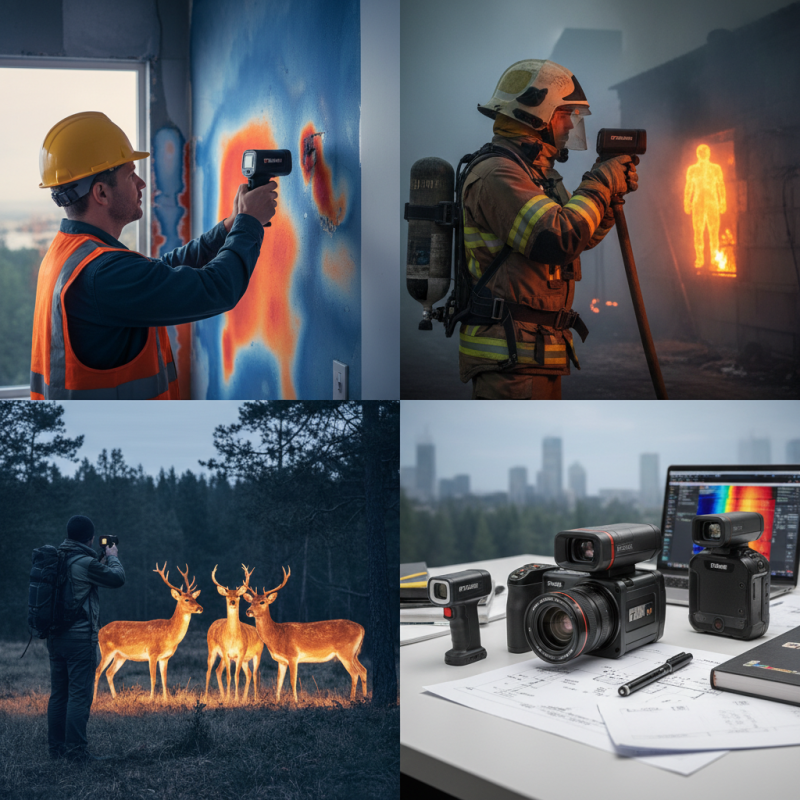
Thermal cameras are utilized in many sectors, including construction, firefighting, and wildlife monitoring. Each application has unique requirements, necessitating different features from a thermal camera. Image resolution, sensitivity, and temperature range are key factors to consider. Not all thermal cameras are created equal; some may perform poorly under certain conditions.
Furthermore, it's essential to evaluate the budget versus quality trade-off. The cost can vary widely, affecting the decision-making process. Some lower-priced options might lack necessary features. This can lead to reduced effectiveness in critical situations. Reflecting on these factors will guide you in making an informed choice.
Understanding Different Types of Thermal Cameras: An Overview
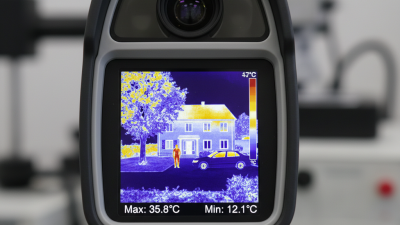
When exploring thermal cameras, understanding the different types is crucial. Each type serves specific needs. Uncooled thermal cameras are popular due to their affordability. These cameras are compact and ideal for general use, but offer lower sensitivity. They work well for building inspections or detecting heat loss.
In contrast, cooled thermal cameras provide superior image quality. They are often used in industrial applications where precision matters. These cameras detect subtle temperature differences. However, they come with higher costs and maintenance demands. Users must think about their budget and application needs before making a choice.
Consideration of resolution is vital too. Higher resolution cameras provide clearer images, but they require more storage and processing power. If the use is occasional, a lower resolution model might suffice. Think about the environment as well; some cameras do not perform well in extreme conditions. The decision-making process can be complex and requires reflection on specific needs.
Thermal Camera Features Comparison
This bar chart illustrates the importance of various features when selecting a thermal camera. The resolution and temperature sensitivity are highlighted as key factors for users to consider based on their specific needs.
Key Factors to Consider When Selecting a Thermal Camera
Choosing the right thermal camera can be challenging. You'll need to assess your specific needs. Consider the purpose of use: is it for home inspection, electrical maintenance, or outdoor adventures? Different applications require different features.
Image resolution plays a crucial role. Higher resolution provides more detail. If precision is important, invest in a camera with a larger pixel count.
Battery life is another key factor.
A camera that runs out of power during use can hinder your work. Take time to understand battery specifications before making a choice.
Finally, think about user interface. A complicated setup can impede effectiveness. Opt for models that are intuitive. Features like Wi-Fi connectivity can enhance usability, but not every user will find this essential.
Balancing your technical requirements with ease of use is vital. Remember, the best choice aligns closely with your specific needs and how you plan to use the camera.
Analyzing Resolution and Sensitivity in Thermal Imaging
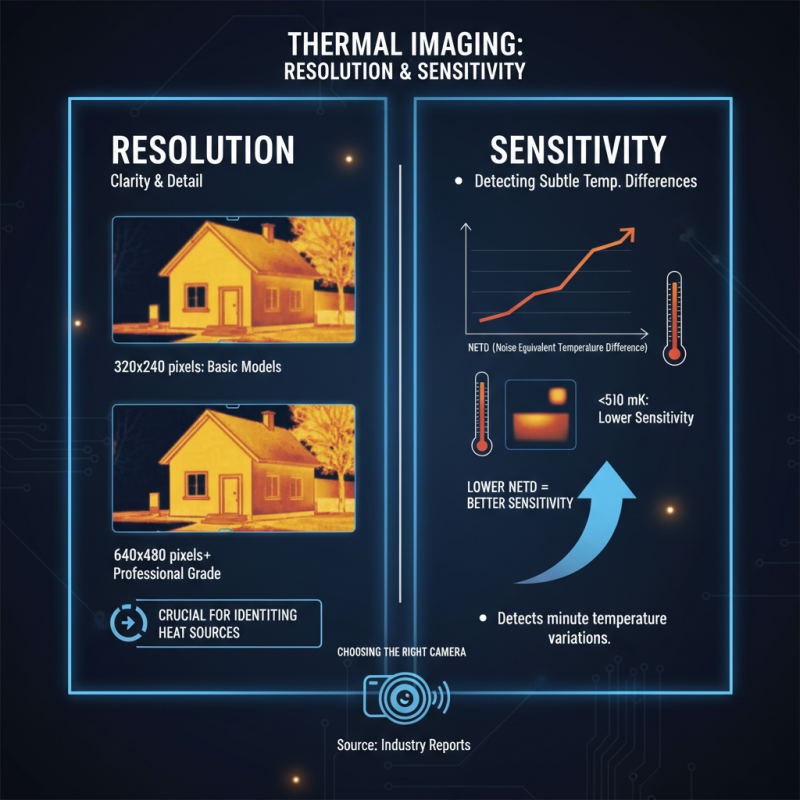
Choosing the right thermal camera involves understanding two key factors: resolution and sensitivity. Resolution is crucial as it determines the clarity of an image. High-resolution cameras capture more detail, which can be essential for various applications. According to industry reports, a resolution of 320x240 pixels is common for basic models. However, for professionals, a resolution of 640x480 pixels or higher is preferred. This allows for better identification of heat sources.
Sensitivity, measured in milliKelvins (mK), is another vital aspect. It indicates how small of a temperature difference the camera can detect. The lower the mK value, the better the camera's sensitivity. Reports suggest that a sensitivity of less than 50 mK is optimal for most industrial applications. These specifications can significantly impact how thermal images are interpreted.
However, interpreting thermal data can also be challenging. A high-resolution camera with excellent sensitivity does not guarantee accurate readings. Users must consider environmental factors that may affect readings. Even with advanced technology, misunderstandings can happen. Users need to be trained to utilize these tools effectively. Balancing resolution and sensitivity with practical knowledge is key.
Comparing Price Ranges: Cost vs. Features in Thermal Cameras
When choosing a thermal camera, understanding the cost versus features is crucial. A report by MarketsandMarkets indicates that the thermal imaging market is projected to reach $8.5 billion by 2025. Price often correlates with features, such as resolution and detection range. Basic models may start around $200, but higher-end cameras can exceed $3,000.
Resolution is one key feature affecting price. Cameras with low resolution may miss critical details, leading to poor decision-making. A study from OMDIA highlights that cameras with 320x240 resolution are common for home inspection. Higher resolutions provide clearer images but come at a premium. Users must consider if these advanced details are necessary for their specific tasks.
However, it's important to reflect on actual needs. For first-time users, a model priced between $400 and $800 often provides essential features without overwhelming complexity. Many features may go unused, which can lead to frustration. Assessing personal requirements ensures a more satisfying investment, reducing the chances of regret. Balancing cost with the features that matter most is essential for an effective purchase.
How to Choose the Best Thermal Camera for Your Needs?
| Price Range |
Resolution |
Frame Rate (Hz) |
Temperature Range (°C) |
Key Features |
| $200 - $500 |
160 x 120 |
9 |
-20 to 200 |
Basic detection, compact size |
| $500 - $1,000 |
320 x 240 |
30 |
-40 to 400 |
Wi-Fi connectivity, smartphone integration |
| $1,000 - $2,500 |
640 x 480 |
60 |
-40 to 550 |
Interchangeable lenses, advanced imaging modes |
| $2,500 - $5,000 |
1024 x 768 |
120 |
-40 to 650 |
Professional-grade features, high-sensitivity sensor |
| $5,000+ |
1280 x 1024 |
240 |
-50 to 1,200 |
Real-time analysis, robust software support |
Evaluating the Importance of Battery Life and Durability in Use
When selecting a thermal camera, battery life and durability play crucial roles. A device that frequently runs out of power during critical tasks can lead to missed opportunities. Imagine needing to detect a problem in plumbing or electrical systems, only to have your camera die. An ideal thermal camera should support extended usage without constant recharging. Manufacturers often claim impressive battery life, but real-world conditions can differ greatly. It’s wise to research user reviews to gauge performance under various circumstances.
Durability is equally essential. Thermal cameras are often used in harsh environments, where drops or exposure to elements are possible. Choosing a device with robust construction and weather resistance can prevent costly replacements. Think about situations involving construction sites or outdoor assessments; a fragile camera could result in unexpected failures. Each environment poses unique challenges, so selecting the right thermal camera requires careful consideration of where and how it will be used. Understanding these factors helps ensure your investment meets your needs effectively.