How to Choose the Best Solar Powered CCTV Systems?
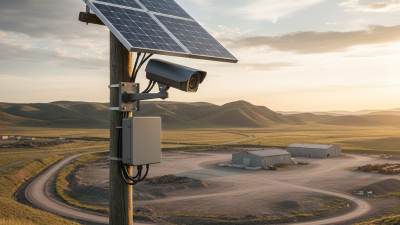
Choosing the best solar powered CCTV systems is essential for modern security needs. Many property owners seek sustainable solutions. According to industry expert John Taylor, "Solar-powered CCTV systems represent a powerful fusion of technology and environmental responsibility." His insights underline the importance of integrating green energy into security systems.
CCTV with solar technology has gained traction due to its efficiency. These systems don’t rely on traditional power sources. This makes them ideal for remote locations. They minimize installation costs and reduce energy bills. However, not all solar CCTV systems are created equal. Some may have limited battery life or lower video quality. Careful consideration is crucial when selecting the right system.
Potential buyers should assess their unique needs. Consider factors like camera quality, solar panel efficiency, and storage capacity. Sometimes, a solution that seems ideal may not perform well under specific conditions. It’s wise to research and ensure reliability. Balancing functionality with sustainability is key, as security investments should offer long-term benefits.
Understanding Solar Powered CCTV Systems and Their Benefits
Solar powered CCTV systems are gaining popularity for their efficiency. These systems harness solar energy, providing an eco-friendly alternative to traditional security cameras. According to a recent industry report, over 30% of residential security systems are now solar-powered. This shift reflects a growing awareness of sustainable technology.
The benefits of solar powered CCTV systems are notable. They operate independently of the electrical grid, making them particularly useful in remote areas. Installation is often simpler, eliminating the need for extensive wiring. Additionally, they can significantly reduce electricity costs. A study showed that users saved an average of 60% on energy expenses compared to conventional cameras.
Despite their advantages, there are challenges. Weather conditions can impact solar efficiency, leading to potential downtime. Users should consider battery life and sunlight exposure in their installation. Moreover, maintenance is vital to ensure optimal performance. Users must regularly clean the solar panels to maximize energy absorption. These factors require careful planning and assessment.
Comparison of Solar Powered CCTV Systems Based on Key Features
This bar chart displays a comparison of solar powered CCTV systems based on key features such as camera quality, battery life, installation ease, cost, and weather resistance. Each feature is rated on a scale from 1 to 10, providing a quick overview of the strengths and weaknesses of solar powered CCTV options.
Key Features to Look for in Solar Powered CCTV Cameras
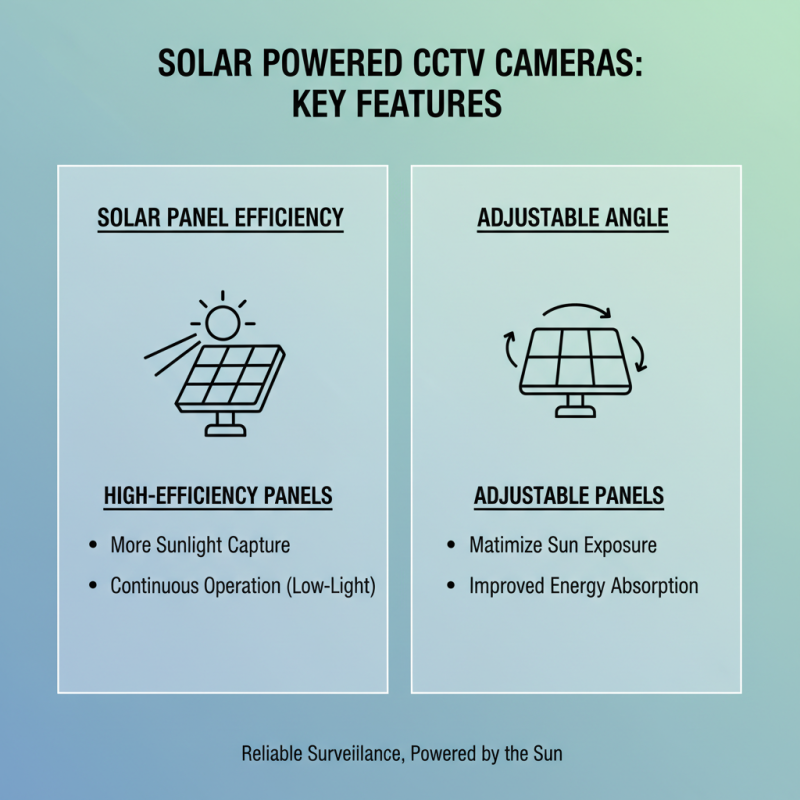
When selecting solar powered CCTV systems, focus on key features that enhance performance and reliability. First, consider solar panel efficiency. High-efficiency panels can capture more sunlight, ensuring the camera operates continuously, even in low-sunlight situations. The angle of the solar panels is vital too. Adjustable panels can maximize exposure and improve energy absorption throughout the day.
Another critical aspect is battery capacity. A robust battery ensures uninterrupted surveillance, especially during prolonged cloudy days or at night. Check for weather-resistant designs as well. Cameras exposed to harsh weather need sturdy casings to function effectively over time. Additionally, ensure they have a reliable motion detection system. This feature helps prevent unnecessary recordings and saves storage space.
While these features are essential, there can be challenges. Some users may find setup complicated, requiring technical knowledge. The integration with home networks might also present issues. Wireless connections can be unstable due to interference. Feedback from actual users indicates that smaller, less prominent cameras are preferable, yet harder to spot for onlookers. It's crucial to balance visibility and security needs when making a choice.
Evaluating Battery Life and Solar Efficiency in CCTV Systems
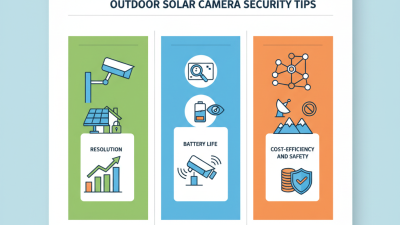
When selecting a solar-powered CCTV system, evaluating battery life and solar efficiency is crucial. Effective battery life ensures your system remains operational during cloudy days and at night. A good unit may have a battery backup that can last several days without sunlight. Monitoring performance helps identify weaknesses.
Solar efficiency is equally important. The panels should capture enough sunlight to recharge the batteries adequately. Look for systems with high-efficiency solar cells. These cells convert more sunlight into energy, offering better performance. Positioning your solar panels to avoid shadows is essential for maximizing energy capture.
**Tips:** Consider seasonal changes. Different weather patterns can affect battery performance and solar efficiency. Assess your specific location prior to purchase. A thorough study allows you to make informed decisions. Also, think about future needs. If you plan to expand your system, ensure it can accommodate additional components. A forward-thinking approach may save you time and money down the line.
How to Choose the Best Solar Powered CCTV Systems?
| Model |
Battery Life (Hours) |
Solar Efficiency (%) |
Video Resolution |
Price ($) |
| Model A |
48 |
20 |
1080p |
150 |
| Model B |
72 |
25 |
2K |
200 |
| Model C |
60 |
22 |
4K |
300 |
| Model D |
36 |
18 |
720p |
100 |
| Model E |
54 |
23 |
1080p |
175 |
Installation Considerations for Solar Powered CCTV Cameras
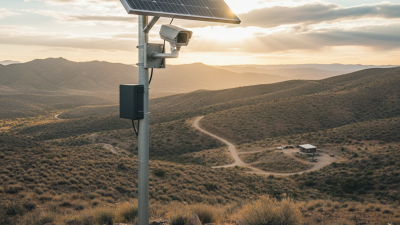
When selecting solar-powered CCTV systems, installation considerations are vital for optimal performance. The location of the cameras plays a crucial role in capturing clear footage. Ideally, cameras should face south to maximize solar exposure. A study by the National Renewable Energy Laboratory indicates that solar panels can generate up to 20% more energy when positioned correctly.
Proper mounting height is essential too. Cameras should be elevated enough to avoid obstructions but within a range that ensures facial recognition. Data shows that 30% of CCTV cameras fail due to inadequate placement. It's also essential to consider battery capacity. Systems should be chosen based on the average sunlight hours in the area. In regions with limited sun exposure, longer battery life is critical.
Environmental factors impact installation as well. Extreme temperatures can affect battery performance. It's important to select weather-resistant materials. Research indicates that nearly 15% of solar energy systems fail due to poor weather resistance. Regular maintenance checks can help mitigate this risk and ensure longevity. Investing time in these considerations can significantly enhance the effectiveness of solar-powered CCTV systems.
Assessing Cost vs. Value of Solar Powered Surveillance Solutions
When considering solar powered CCTV systems, evaluating the cost versus value is crucial. Industry reports suggest that the upfront investment in solar technology is often higher than traditional systems. According to a recent study, up to 35% of security budgets may now include renewable energy solutions. This reflects a growing trend towards sustainability within the surveillance sector.
Solar powered systems provide long-term savings and operational efficiency. They can reduce electricity costs, particularly in remote areas where grid access is unreliable. However, initial costs can sometimes deter potential users. Maintenance needs can be higher due to regular cleaning of solar panels and battery replacements. Installation may require specialized expertise to ensure optimal performance.
A significant drawback is weather dependency. In regions with less sunlight, performance may dip during winter months. This uncertainty can provoke hesitation among users. Balancing these factors is key to understanding whether the investment aligns with your security needs. A thorough cost-benefit analysis is recommended to navigate these challenges effectively.