Best Solar Security Cameras to Protect Your Home?
Protecting your home is a top priority for many. Security Cameras Solar are an innovative solution. They offer both safety and convenience. But are they the best choice for you?
Solar-powered security cameras provide flexibility. They can be installed in remote locations without needing wiring. This means easy placement anywhere around your property. However, there are challenges. Consider the weather and sunlight availability. Not all areas get enough sun year-round.
Choosing the right model matters. Look for features like night vision and motion detection. Your safety depends on effective monitoring. Some users may find the technology overwhelming. Researching different options can be time-consuming. In the end, the right Security Cameras Solar can enhance your home security significantly.
Understanding Solar Security Cameras and Their Benefits
Solar security cameras are gaining popularity. They offer unique benefits for homeowners seeking efficient and eco-friendly solutions. According to a report by MarketsandMarkets, the global market for solar security systems is expected to grow at a CAGR of 17% from 2023 to 2028. This growth is fueled by the increasing need for energy-efficient security solutions.
One significant advantage of solar security cameras is their independence from wired power sources. They operate on solar energy, reducing electricity costs. A recent survey showed that over 70% of users noticed a significant drop in their energy bills after switching to solar-powered devices. However, it’s essential to note that solar cameras may struggle in areas with prolonged cloud cover or poor sunlight. Their performance can be inconsistent during winter months in northern regions.
In terms of installation, many solar cameras are often designed for DIY setups. This feature appeals to homeowners looking to save on installation costs. A study by Statista indicated that 50% of homeowners prefer DIY security solutions. Nevertheless, the initial setup may present challenges for some users. Proper positioning is crucial for maintaining optimal solar reception, which requires planning and sometimes trial and error.
Top Recommendations for Solar Security Cameras in 2023
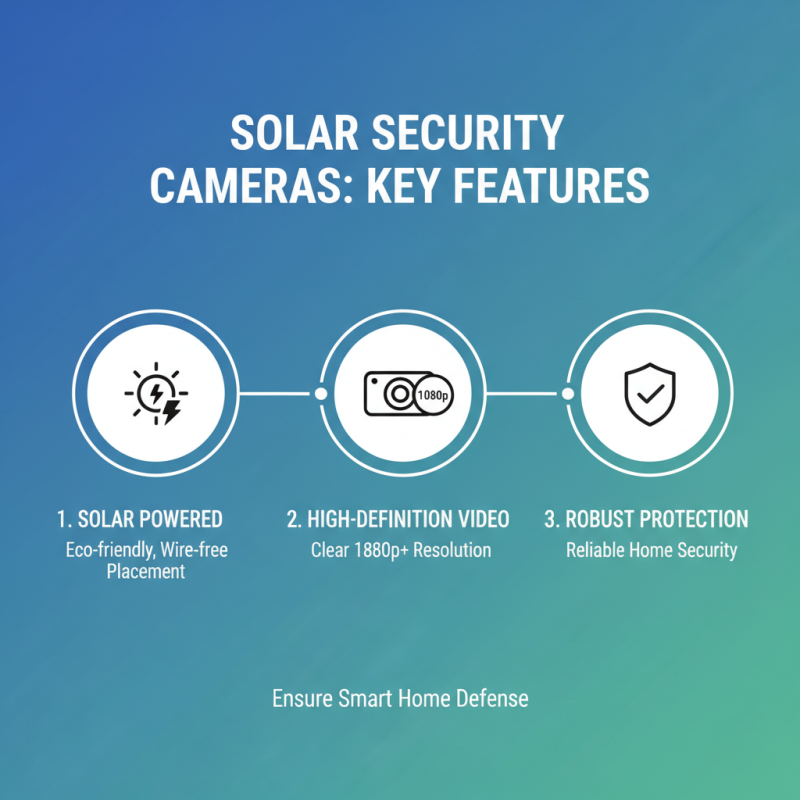
In 2023, solar security cameras have gained popularity. These devices use solar power, making them eco-friendly and cost-effective. Homeowners appreciate their ability to operate without extensive wiring. Many models come equipped with night vision and motion detection, enhancing home security.
When choosing a solar security camera, consider key features. Look for high-resolution video quality. It’s crucial for capturing clear images. Also, check the battery life; some cameras need frequent recharging. Installation should be straightforward, but not all devices are user-friendly. Review user feedback to avoid frustration.
Weather resistance is another important factor. Cameras should withstand rain and extreme temperatures. However, some units may struggle in harsh conditions. Lastly, don’t overlook the importance of cloud storage options. Some users find their local storage insufficient. By focusing on these aspects, you’ll find a solar security camera that fits your needs. Choose wisely.
Best Solar Security Cameras to Protect Your Home? - Top Recommendations for Solar Security Cameras in 2023
| Camera Model |
Resolution |
Battery Life |
Field of View |
Night Vision |
Price Range |
| Model A |
1080p |
6 months |
120° |
Yes |
$150 - $200 |
| Model B |
4MP |
8 months |
130° |
Yes |
$200 - $250 |
| Model C |
720p |
5 months |
110° |
No |
$100 - $150 |
| Model D |
1080p |
10 months |
140° |
Yes |
$250 - $300 |
| Model E |
2K |
12 months |
160° |
Yes |
$300 - $350 |
Installation Tips for Optimal Performance of Solar Security Cameras
Installing solar security cameras can greatly enhance home safety. However, optimal performance depends on proper installation. A report from the Security Industry Association shows that incorrect placement is a common issue. Around 30% of users report inadequate coverage due to poor positioning.
Start by selecting the right locations. Aim for areas with maximum sunlight exposure. Solar panels typically require 4-6 hours of direct sunlight each day to function effectively. Install cameras high enough to deter tampering but within view for wider coverage. While some prefer hidden spots, visibility often acts as a deterrent.
Remember to check for obstructions that can block sunlight. Trees, buildings, and even shadows can greatly reduce the efficiency of solar panels. Regular maintenance also matters; clean the panels regularly to remove dust and debris. A study found that neglecting solar panel upkeep can reduce efficiency by up to 25%. Strive for a balance between security and functionality.
Maintenance Practices to Ensure Longevity of Solar Security Cameras
Maintaining solar security cameras is crucial for optimal performance. Regular checks can extend their lifespan significantly. According to a report by the Security Industry Association, proper maintenance can increase device longevity by up to 30%.
Cleaning the solar panels is essential. Dust and debris can block sunlight, reducing battery efficiency. Use a damp cloth to wipe them clean regularly. Insufficient sunlight leads to reduced surveillance capability. Checking connections regularly is also important. A loose wire may compromise functionality.
Battery management is key. Most solar cameras have lithium batteries. These can degrade if not charged properly. The ideal temperature for battery storage is between 32°F and 77°F. Extreme temperatures can shorten battery life. Users often overlook this.
Keeping firmware updated ensures that cameras run efficiently. Regular software updates can enhance feature sets and performance.